

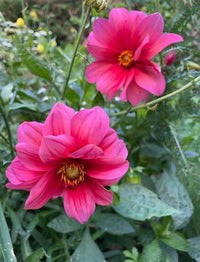
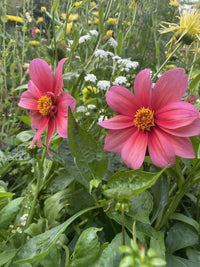
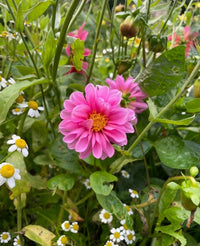
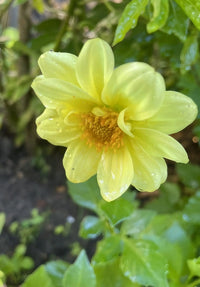
Dahlia Early Bird Mix
Dahlia variabilis 'Early Bird Mix' — compact early-flowering dwarf strain
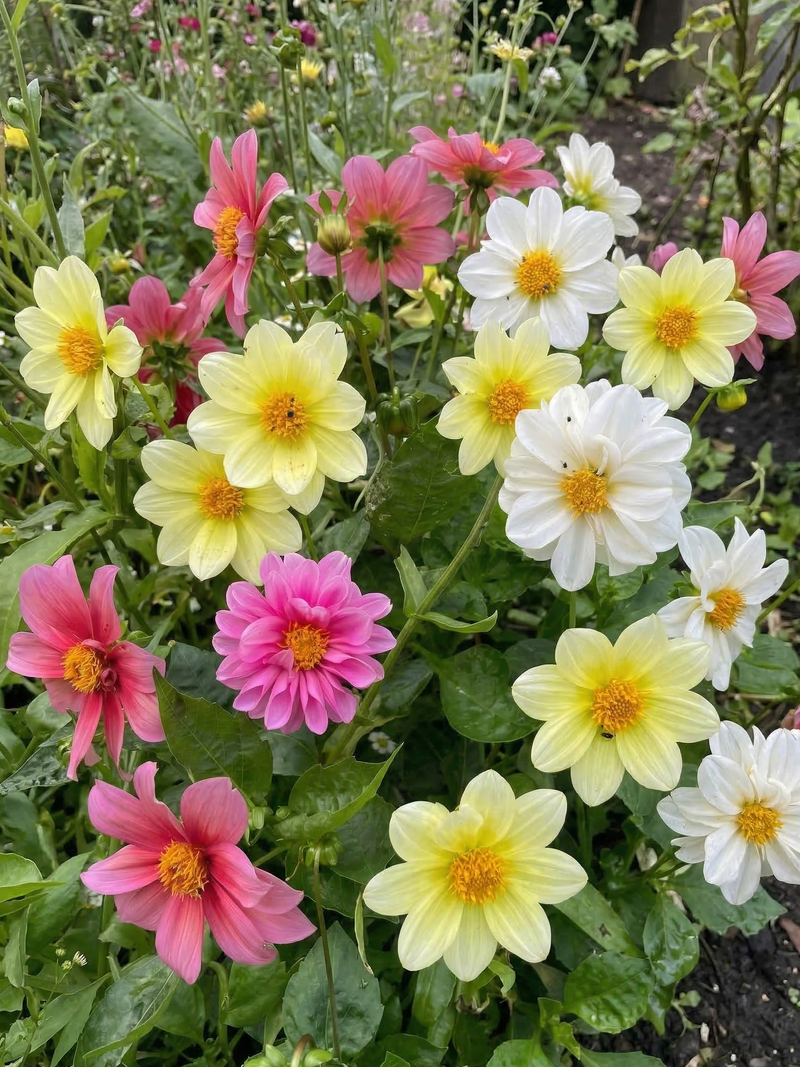
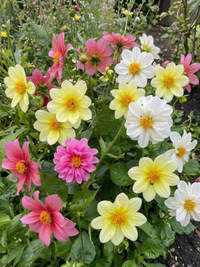
A vibrant dwarf dahlia mix bred for early flowering — semi-double flowers in red, violet, yellow and orange on compact 50–60cm self-supporting plants. Pollinator-friendly.
About this variety
Dahlia variabilis 'Early Bird Mix' Dwarf Early Dahlia 'Early Bird Mix'
A vibrant dwarf mix bred specifically for speed — producing colourful semi-double flowers weeks ahead of standard varieties, often as early as late June or the start of July. 'Early Bird' is the dahlia that fills the gap before standard varieties have begun, and the compact, self-supporting variety made for patio pots, window boxes and the front of cottage borders.
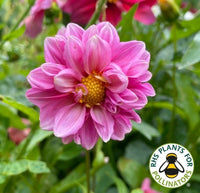
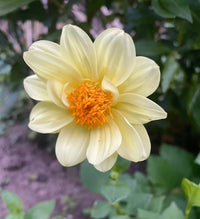
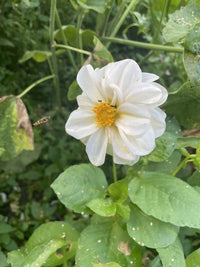
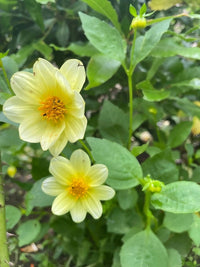
If you can't wait until late summer for your dahlia fix, 'Early Bird' is the answer. This variety has been bred specifically for speed, reaching first flower at around 10–12 weeks from sowing (compared to 12–14 weeks for most dahlias) and continuing through to the first autumn frosts. The plants are compact and bushy (50–60cm), producing a vibrant mix of semi-double and double flowers in rich shades of red, violet, yellow, orange and bronze. Because they're short and sturdy, they don't need staking — making them genuinely low-maintenance compared to taller dahlia varieties. The semi-double and single flowers in the mix feature open centres, providing easy access for bees and bumblebees — unlike densely packed "ball" or "cactus" dahlias, 'Early Bird' serves as a functional nectar station for pollinators throughout its long season. Half-hardy perennial typically grown as a high-performance annual.
A note on growing
Sow indoors from February to April. Surface-sow onto moist seed compost and cover with a fine layer of vermiculite. Maintain 20–25°C; germination 7–14 days. When seedlings have 2–3 pairs of leaves, prick out into individual pots. Harden off and plant out only after all risk of frost has passed (late May or June). Full sun and deep, rich, fertile soil. Dahlias are hungry plants — dig in plenty of well-rotted organic matter and feed weekly with a potash-rich (tomato) fertiliser once flower buds form. Pinch out the central growing tip once the plant reaches 10cm to encourage bushy growth. Deadhead religiously. At the end of the season, tubers can be lifted after the first frost and stored cool, dry and frost-free for replanting the following spring.
Where it shines
In patio containers and window boxes, where the compact 50–60cm height and self-supporting habit are properly useful. At the front of cottage borders, where the bushy mounds soften hard edges. As a quick-result dahlia for impatient gardeners — first flowers can arrive in late June, weeks ahead of taller varieties. In children's gardens and beginner plantings, where reliability and speed build confidence. In wildlife gardens, where the open-centred flowers provide accessible pollinator forage from early summer onwards.
Plant alongside
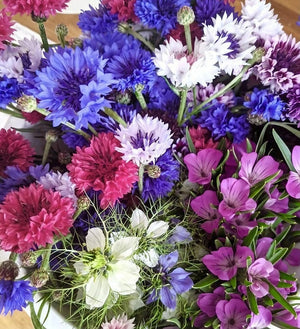
For an early-summer cottage container, combine 'Early Bird' with the soft mauve picotee of Cosmos 'Fizzy Rose' and the dwarf Calendula 'Oopsy Daisy' — all flowering at the same compact height with overlapping season. For border planting, pair with Cornflower 'Polka Dot Mixed' (matching dwarf habit) and the lacy blue umbels of Didiscus 'Blue Lace'.
Plant alongside
Dahlia Early Bird Mix pairs beautifully with these cottage garden classics


RHS Plants for Pollinators
This plant has been assessed by the Royal Horticultural Society and recommended as especially beneficial to bees, butterflies and other pollinators. Growing plants like this directly supports UK pollinator populations — something close to our hearts at Salle Moor Hall Farm, where we see the difference a cottage garden full of the right plants can make.
Learn more at RHS.org.uk →