

Coriander
Slow Bolt
The ultimate dual-purpose herb — fresh cilantro leaves for the kitchen and warm, aromatic coriander seed for the spice rack, all from one easy sowing. Best sown little and often.
About this variety
About this variety
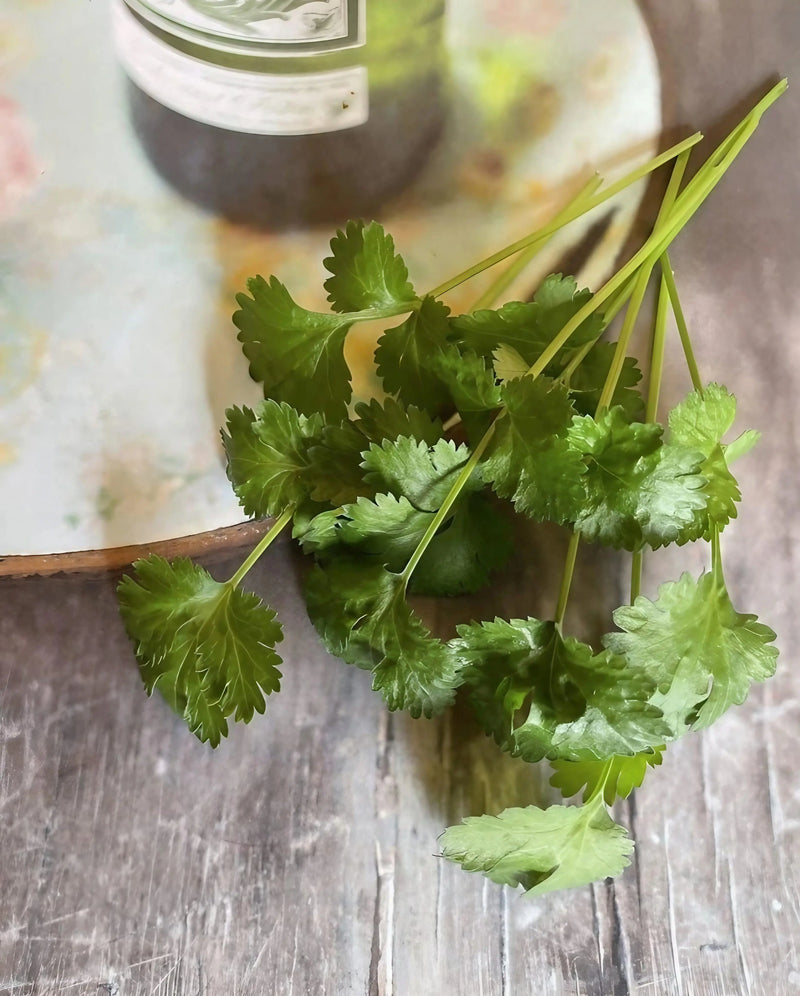
Coriandrum sativum — the dual-purpose herb that gives you both leaves and coriander seeds from a single sowing.
One of the most useful herbs you can grow, and one of the most generous. Sown for its leaves, it gives you cilantro — those fresh, bright, citrus-and-pepper leaves that lift a curry, a salsa or a bowl of noodles. Left to run on, the very same plant flowers, draws in the bees, and ripens into round, warm, aromatic coriander seed for the spice rack. Two harvests, two names, one easy packet.
The flavour is unmistakable — green and zesty in the leaf, warm and orange-spiced in the seed — and it sits at the heart of kitchens from Mexico to India to Thailand. It is a herb to grow close to the back door and pick by the handful, because coriander is always best the moment it is cut.
This is the classic culinary coriander rather than a slow-bolting strain, which simply means it does what coriander naturally does: in the heat of summer it runs up to flower and set seed. Far from a fault, that is half the point of it — sow a short row every few weeks for an unbroken supply of leaf, and let the late sowings bolt for seed and for the pollinators. It is an easy, fast, forgiving herb that rewards little-and-often sowing more than any other.
A note on growing
Coriander dislikes being transplanted, so it is best sown direct where it is to grow, thinly, in moist, free-draining soil in sun or light shade. Sow little and often from March to September — a short row every two to three weeks keeps fresh leaf coming through the season. Seedlings appear in one to three weeks, and leaves are ready to pick within a month or so.
Warmth and dry stress are what push it to bolt, so keep it watered and pick regularly to delay flowering and prolong the leaf harvest. When plants do flower, leave a few to ripen: cut the seed heads as they turn beige and dry them off indoors for your own coriander spice. Full sowing and growing detail is in our linked grow-along guide.
Where it shines
In the kitchen the leaf is indispensable — scattered over curries and dhals, stirred through salsa and guacamole, folded into Thai and Vietnamese dishes, or piled onto a taco. Because the flavour fades with cooking, cilantro is added at the very end or raw. The seed, meanwhile, is a backbone spice: warm and citrusy, toasted and ground for curry blends, garam masala and pickling spice, or used whole.
In the garden it earns its keep twice over — a frothy umbel of white flowers that bees and hoverflies adore, and a self-saved jar of spice at the end of it. A genuine cook's-garden essential.
At a glance
Type: annual culinary herb, grown for both leaf (cilantro) and seed (coriander)
Flavour: fresh, citrusy and peppery in the leaf; warm and orange-spiced in the seed
Plant: upright, 30–60cm, with ferny lower leaves and lacy white flowers
Sow: March to September, direct where it is to grow — dislikes transplanting
Germination: 1–3 weeks
Grow: sun or light shade; sow little and often, keep watered to delay bolting
Harvest: leaves within weeks; seed from late summer as the heads ripen and dry
Best for: curries, salsa, Thai and Indian cooking, and home-saved coriander spice
Plant alongside
Coriander is a fine companion in the vegetable garden, said to help deter aphids and carrot fly, and its flowers pull in the hoverflies and bees that keep pests in check. It sits happily among other herbs in a sunny container by the kitchen door, and grows well near beans, brassicas and tomatoes. Let a few plants flower near any fruiting crop and the pollinators will thank you for it.