Annual
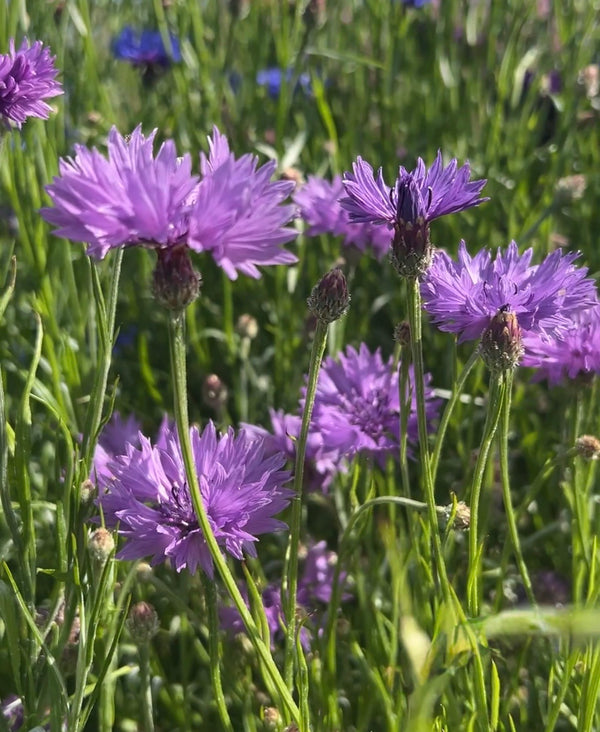
Cornflower Mauve Boy
A soft dusty lavender-lilac, never harsh, with the…
Sow: Mar–May · Sep
£2.30
View


Long stems, generous harvests, vase-ready blooms
A soft dusty lavender-lilac, never harsh, with the…
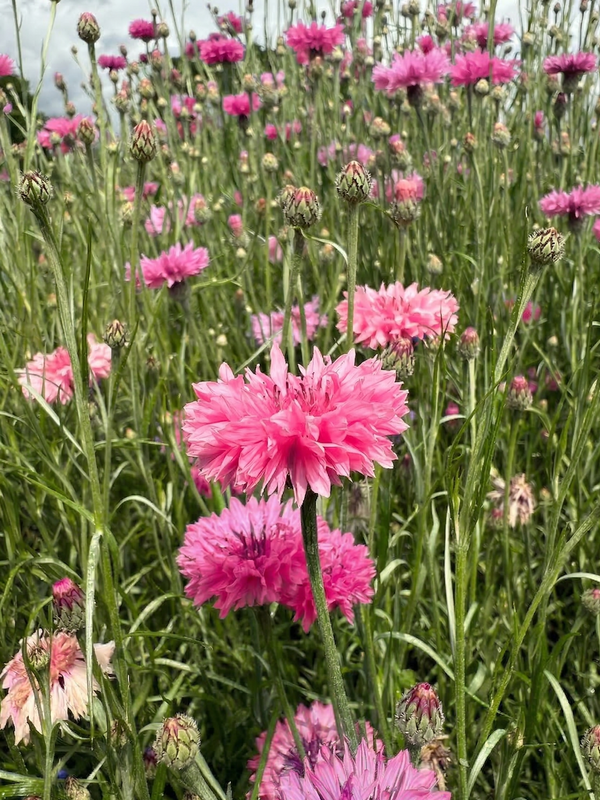
Fully double shaggy heads in warm rose-pink, softer…
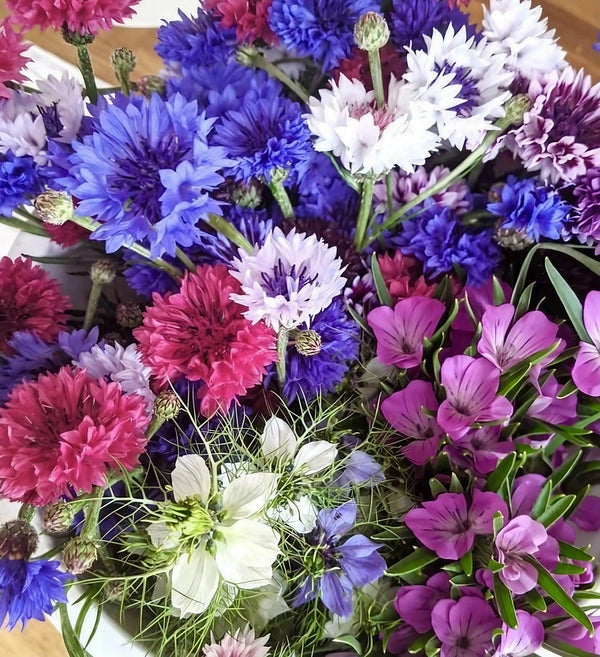
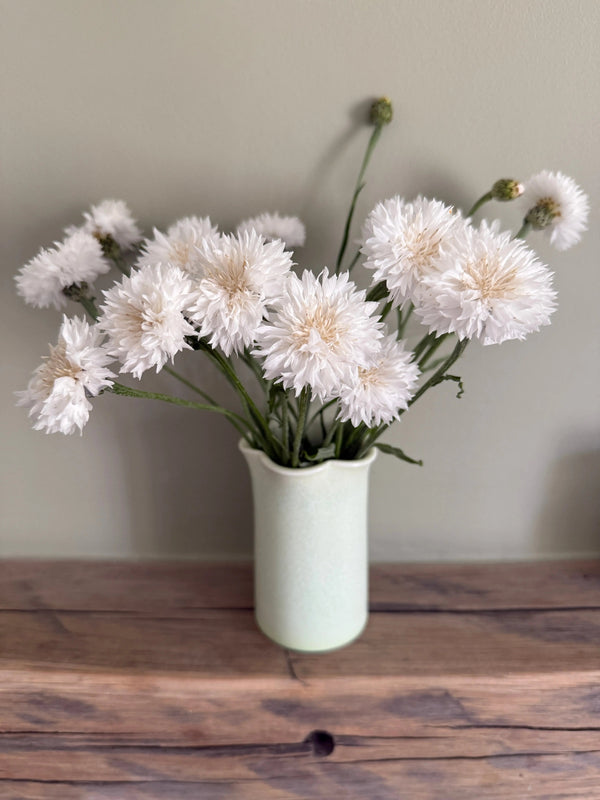
A dwarf cornflower, bushy at 30 to 50cm,…
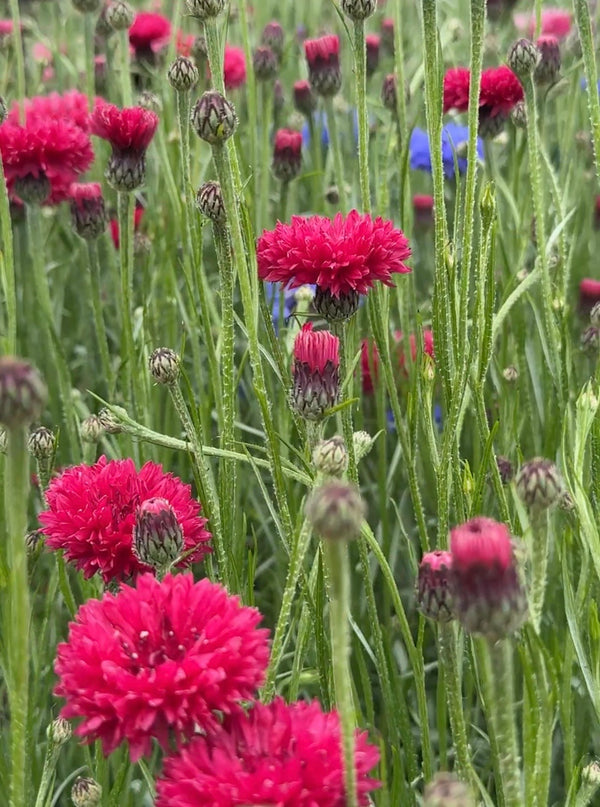
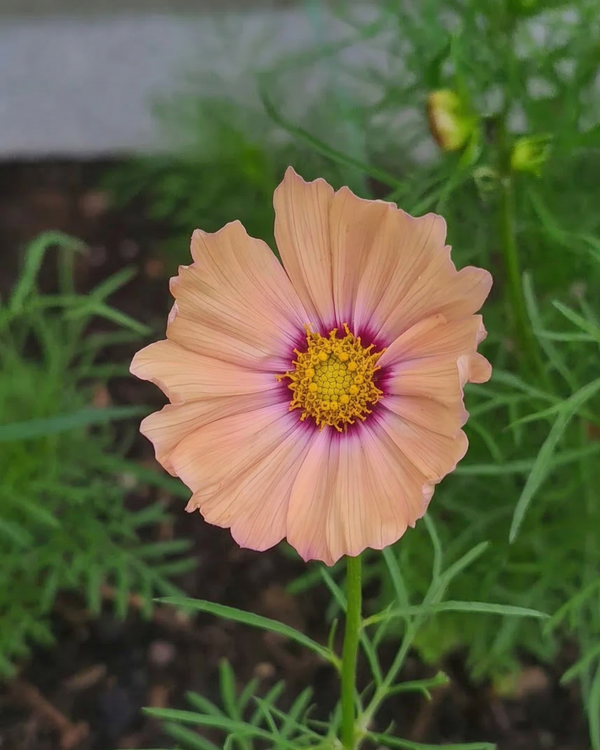
The name oversells it, and the flower is better for it
 New
New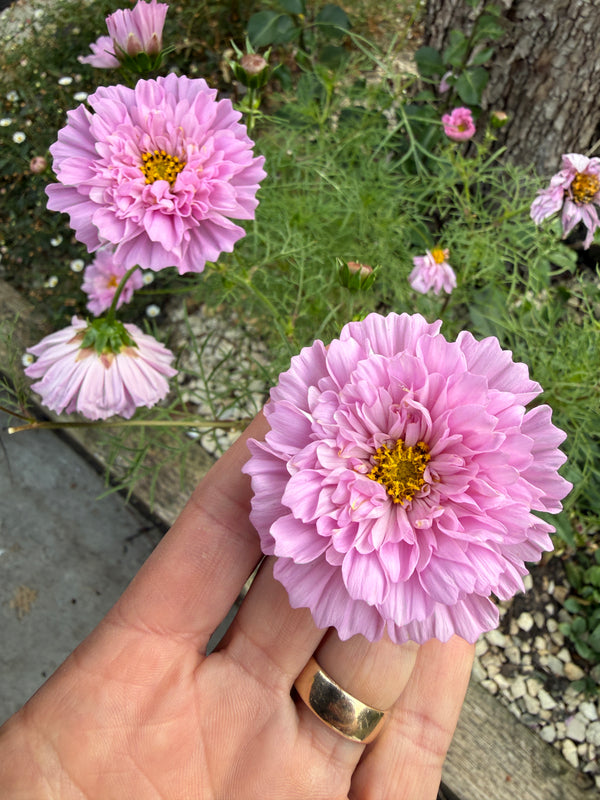
Fully double pompoms in vintage rose-pink, packed with…
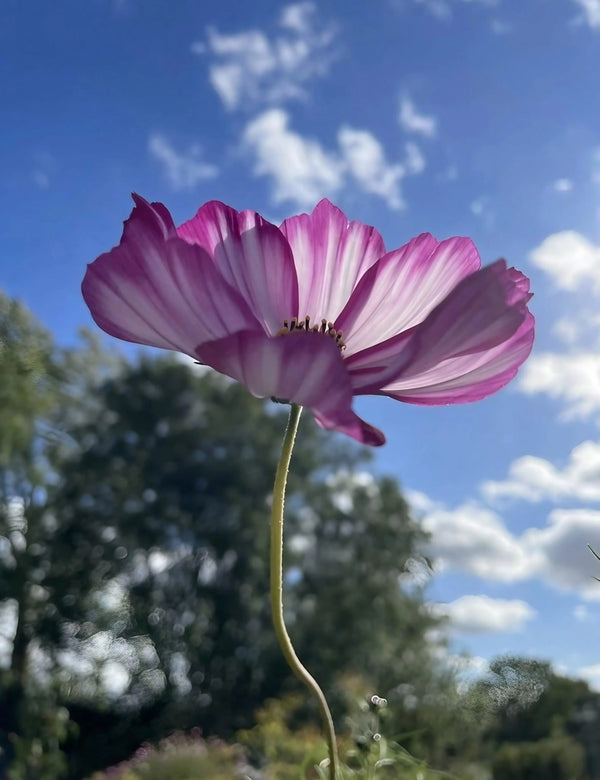
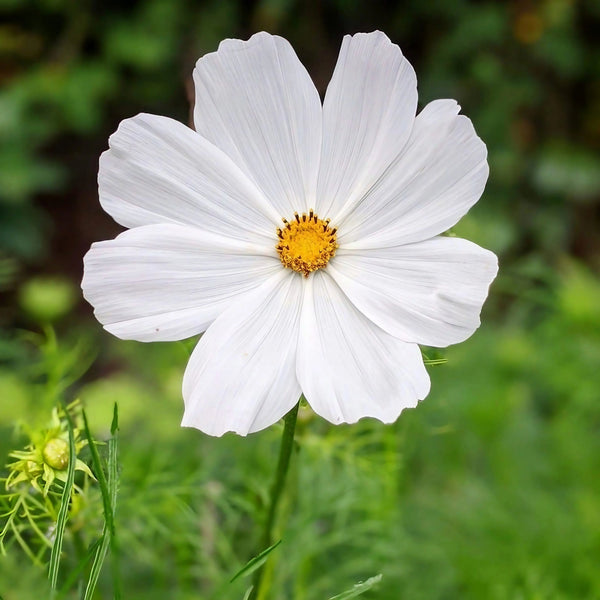
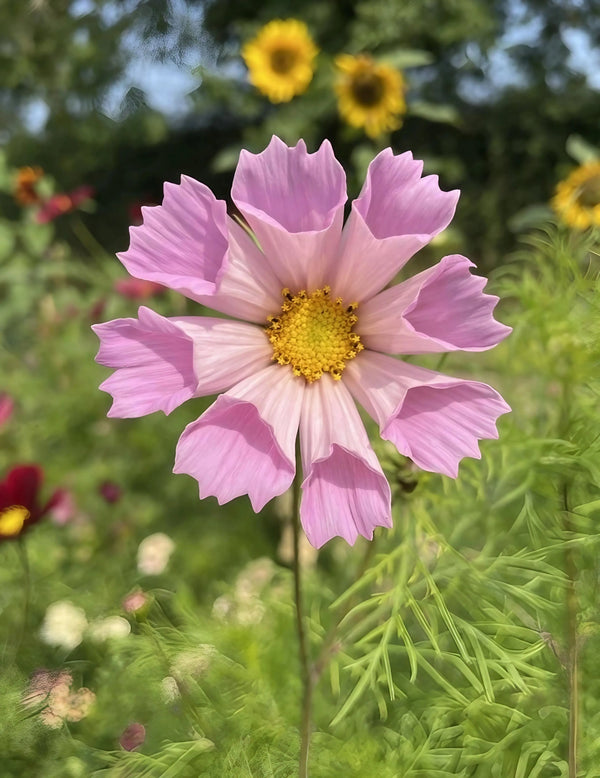
Semi-double blooms in soft pale mauve-pink, each petal…
 New
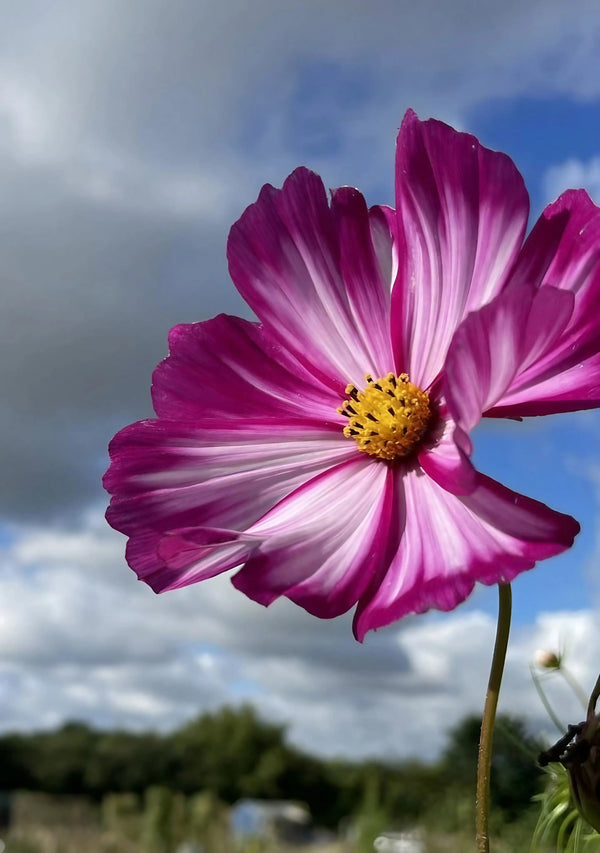
NewA deep saturated crimson-magenta with a velvet surface,…
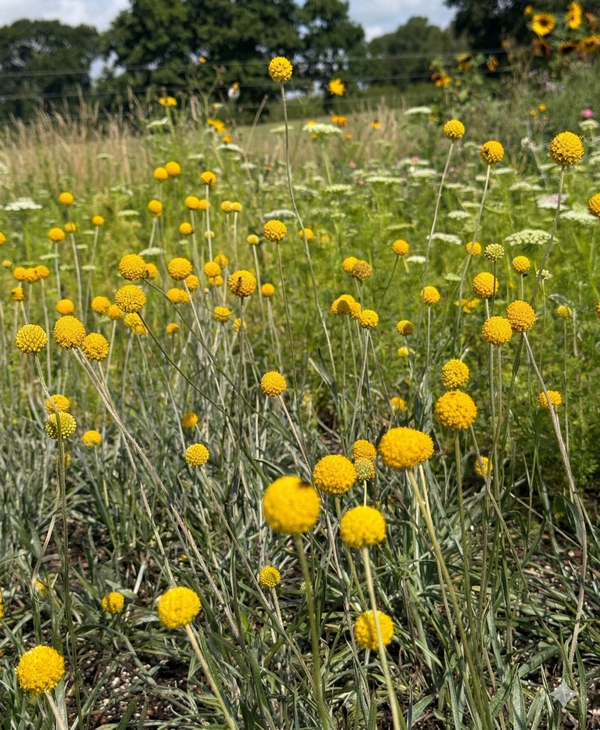
Perfect golden spheres, two or three centimetres across,…
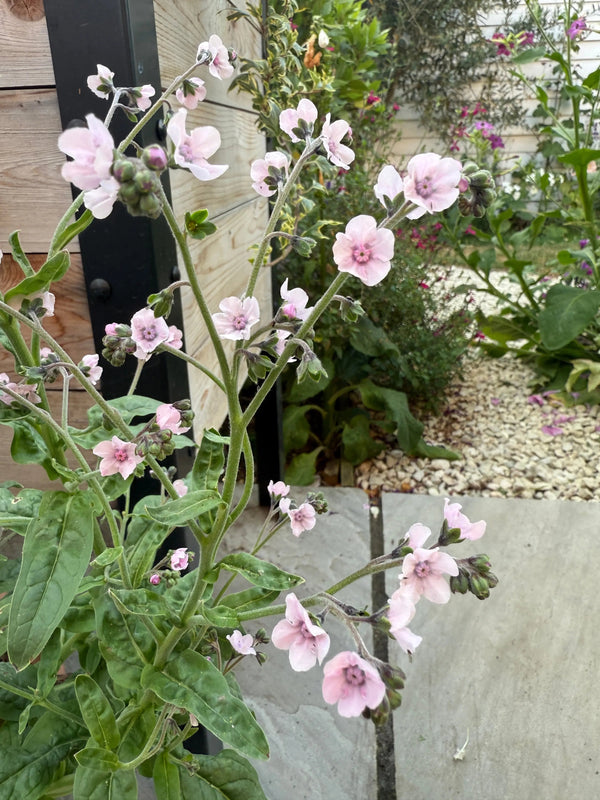
A dusty, smoky pink with the quality of…
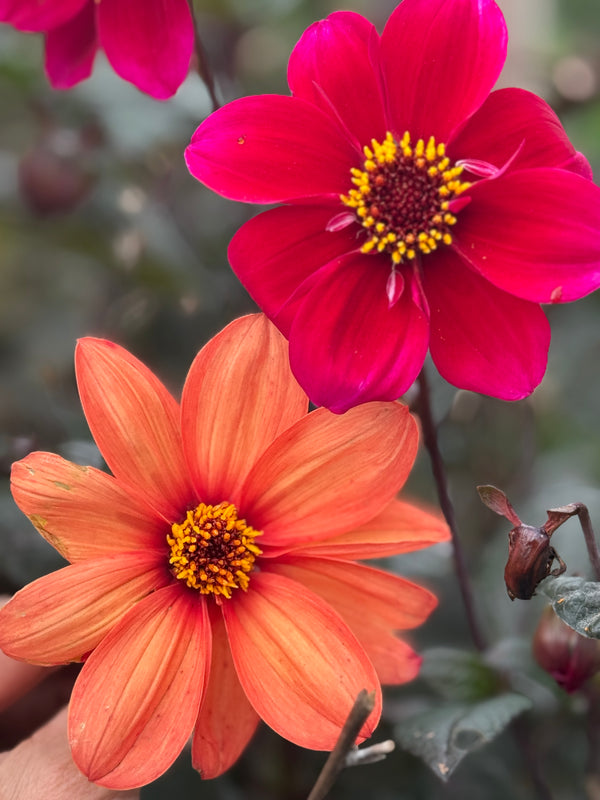
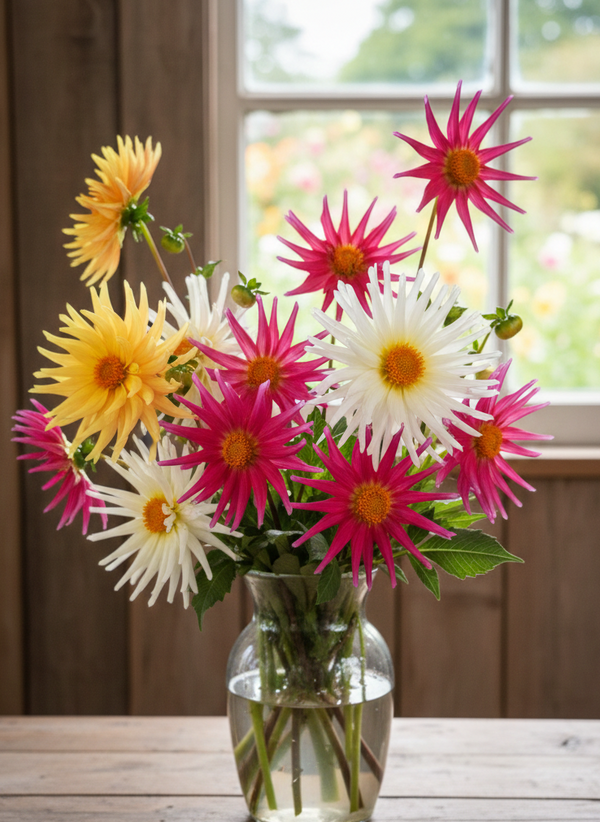
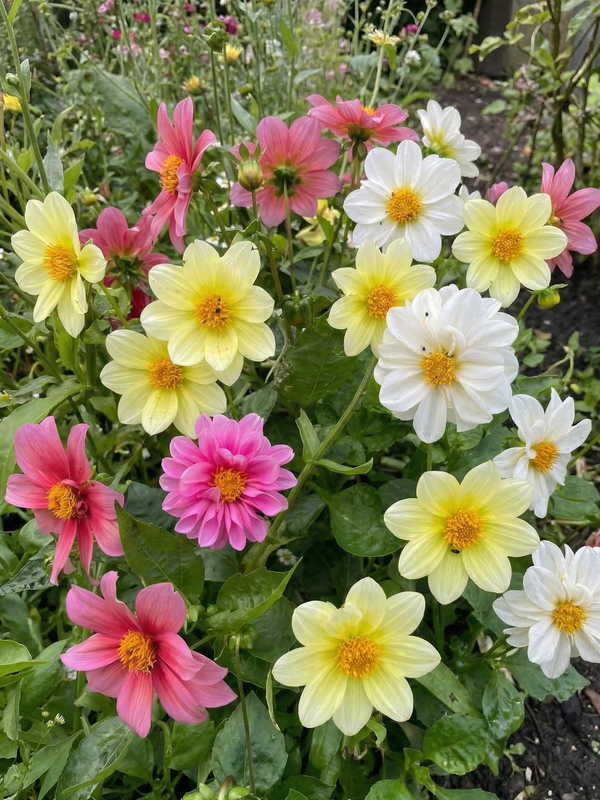
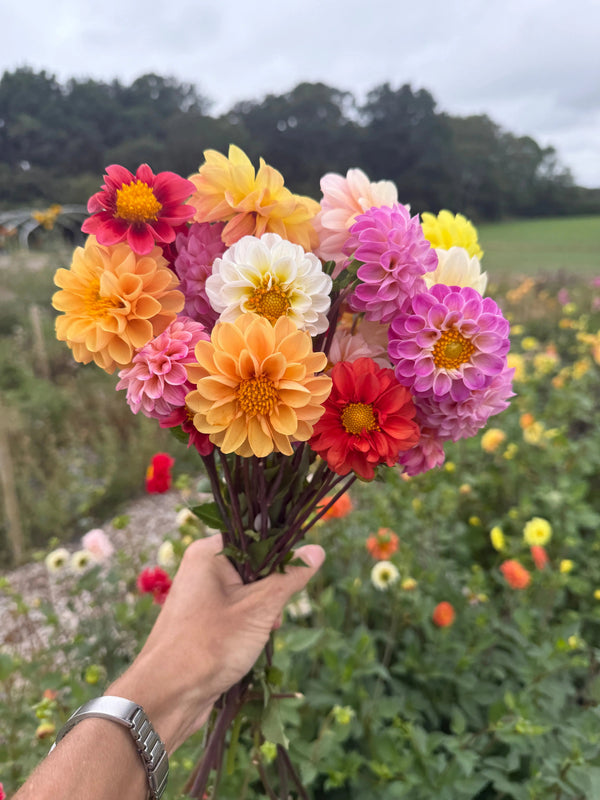
Small tight balls of curled petals, five to…
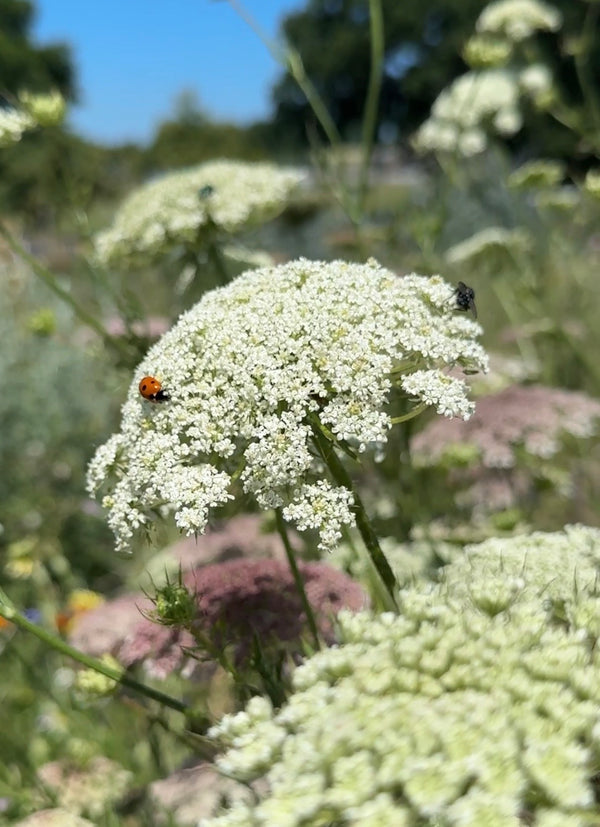
The native wild carrot, the plant every cultivated…
Surprisingly small. A two-metre by one-metre patch densely planted will keep a single household in cut flowers from June through October. Most cut flower growers plant intensively in rows or blocks, spacing tighter than the seed packet suggests — the plants support each other and the harvest per square metre goes up.
Cosmos, zinnias, calendula, cornflowers, and sweet peas are the reliable starting five. They are forgiving, fast from seed, productive, and — importantly — they rebloom when cut. Avoid fussier choices like lisianthus or dahlias until you have a season under your belt and know your soil and conditions.
Cut early morning when stems are fully hydrated, plunge straight into a bucket of cool water, and recut the stems underwater before arranging. Strip any leaves that would sit below the waterline. Most cottage garden cut flowers will give you five to ten days in the vase with this treatment — longer than supermarket bouquets and considerably fresher.
Hardy annuals like cornflowers and ammi go in from March (or autumn-sown the previous September for stronger plants). Half-hardy annuals like cosmos and zinnias start indoors in April, planted out after the last frost. Sow a second batch of fast varieties in June for late-summer succession — it keeps the patch productive into October.