
Mixed Colour Flowers
Pre-blended packets for layered, abundant planting


Foxglove Bishy Barnabee Mix
Digitalis purpurea 'Bishy Barnabee Mix' Bishy Barnabee House…

New


Growing mixed flowers — your questions answered
Why choose mixed colour seed varieties?
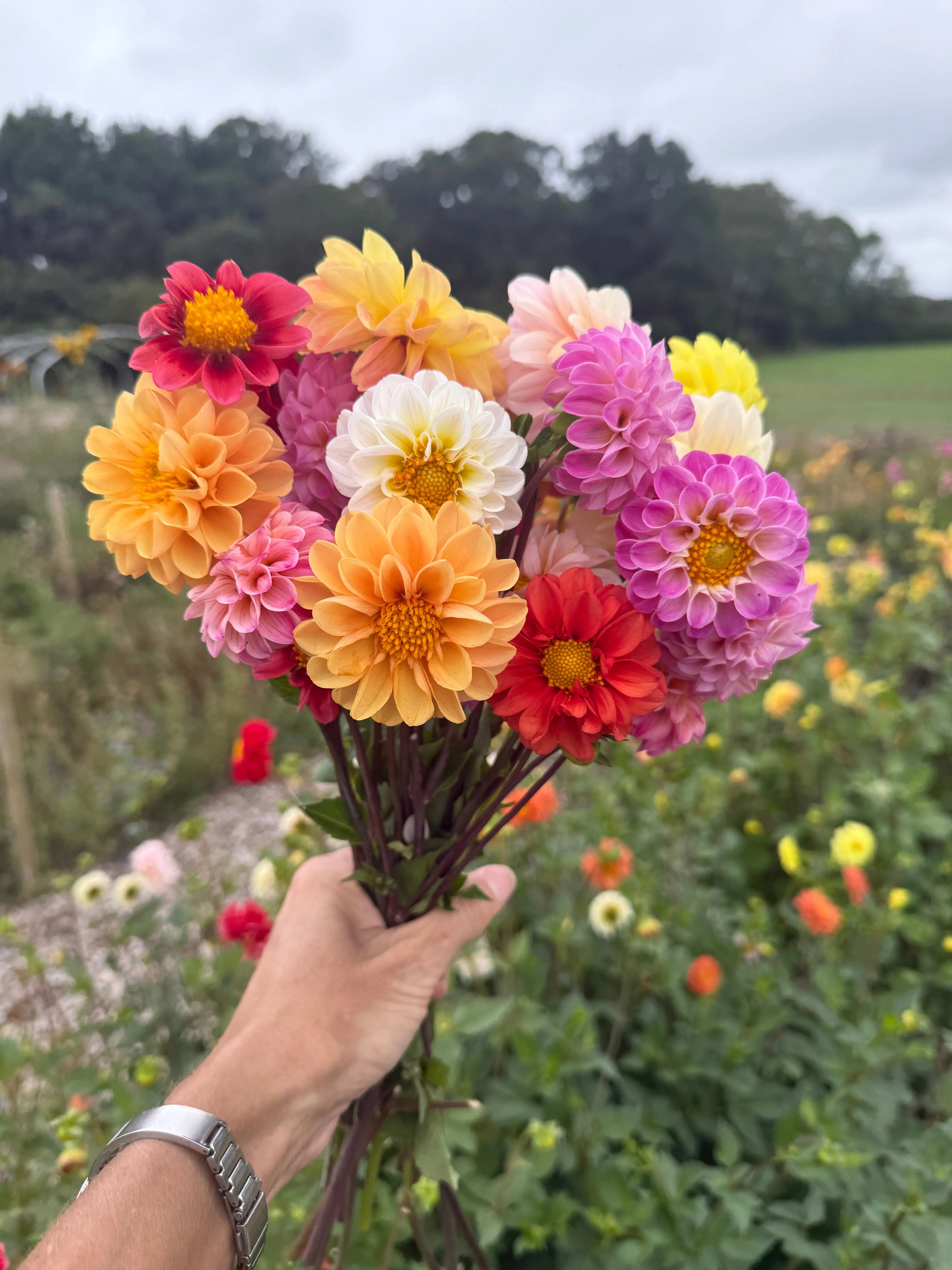
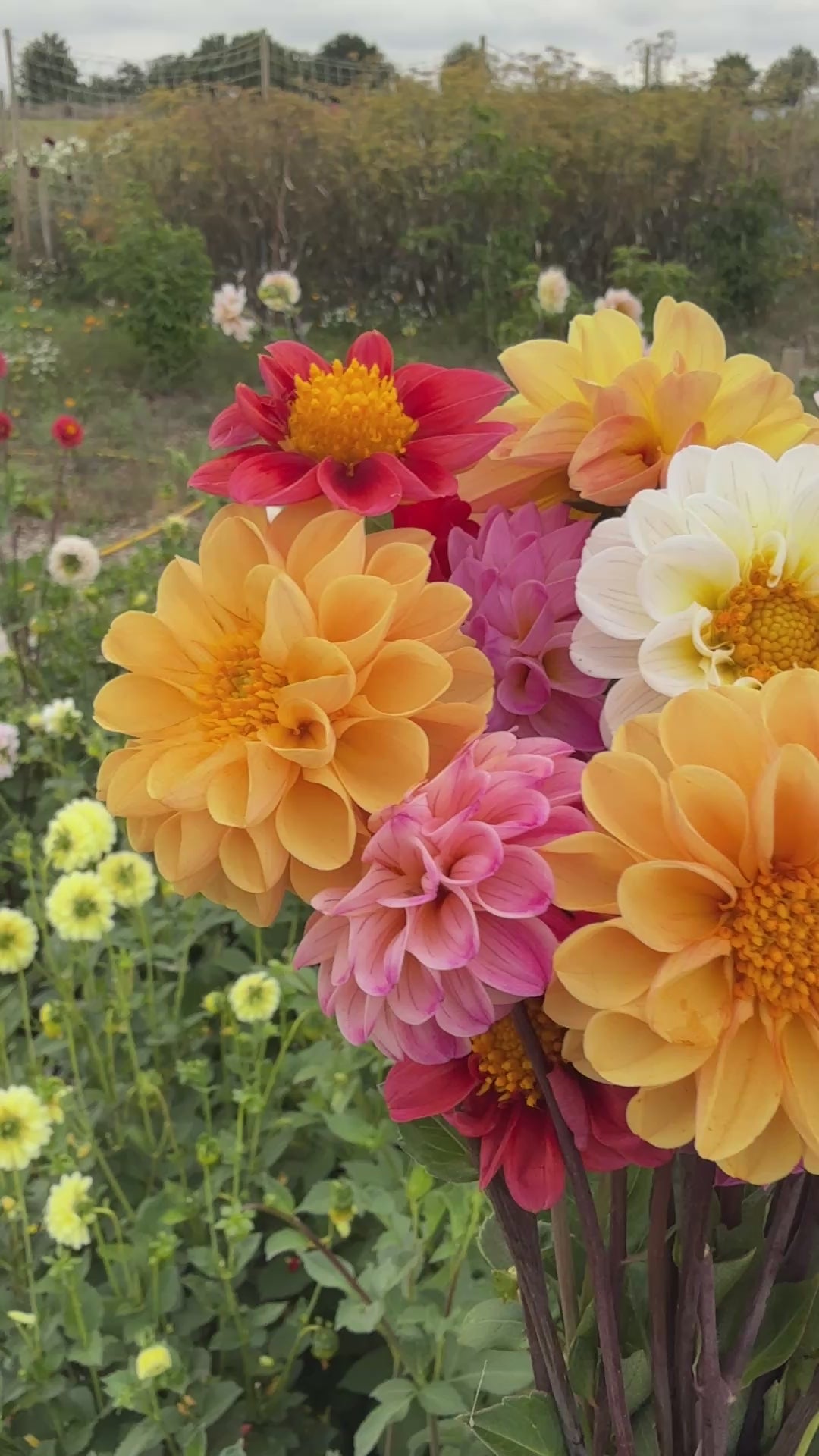
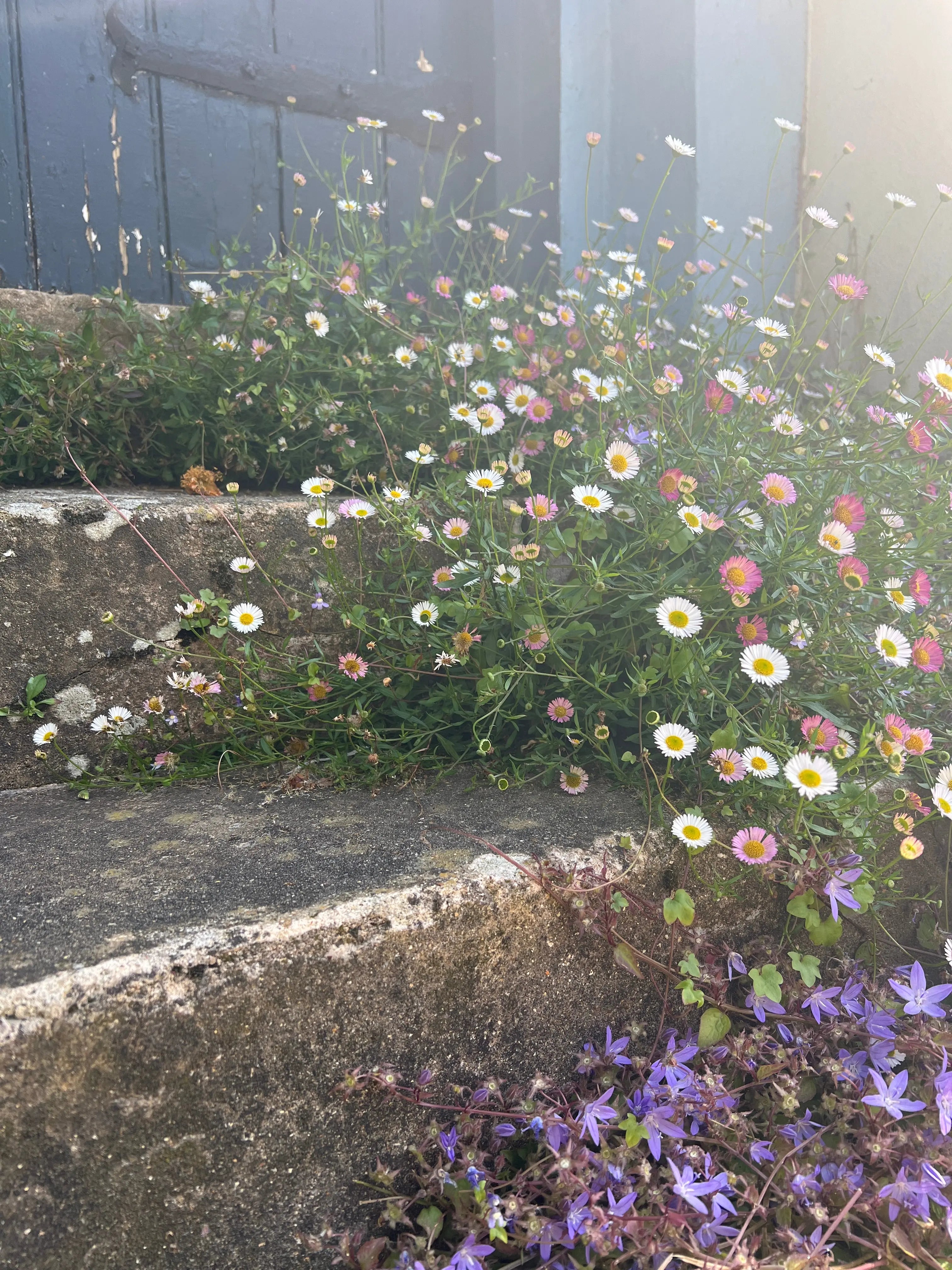
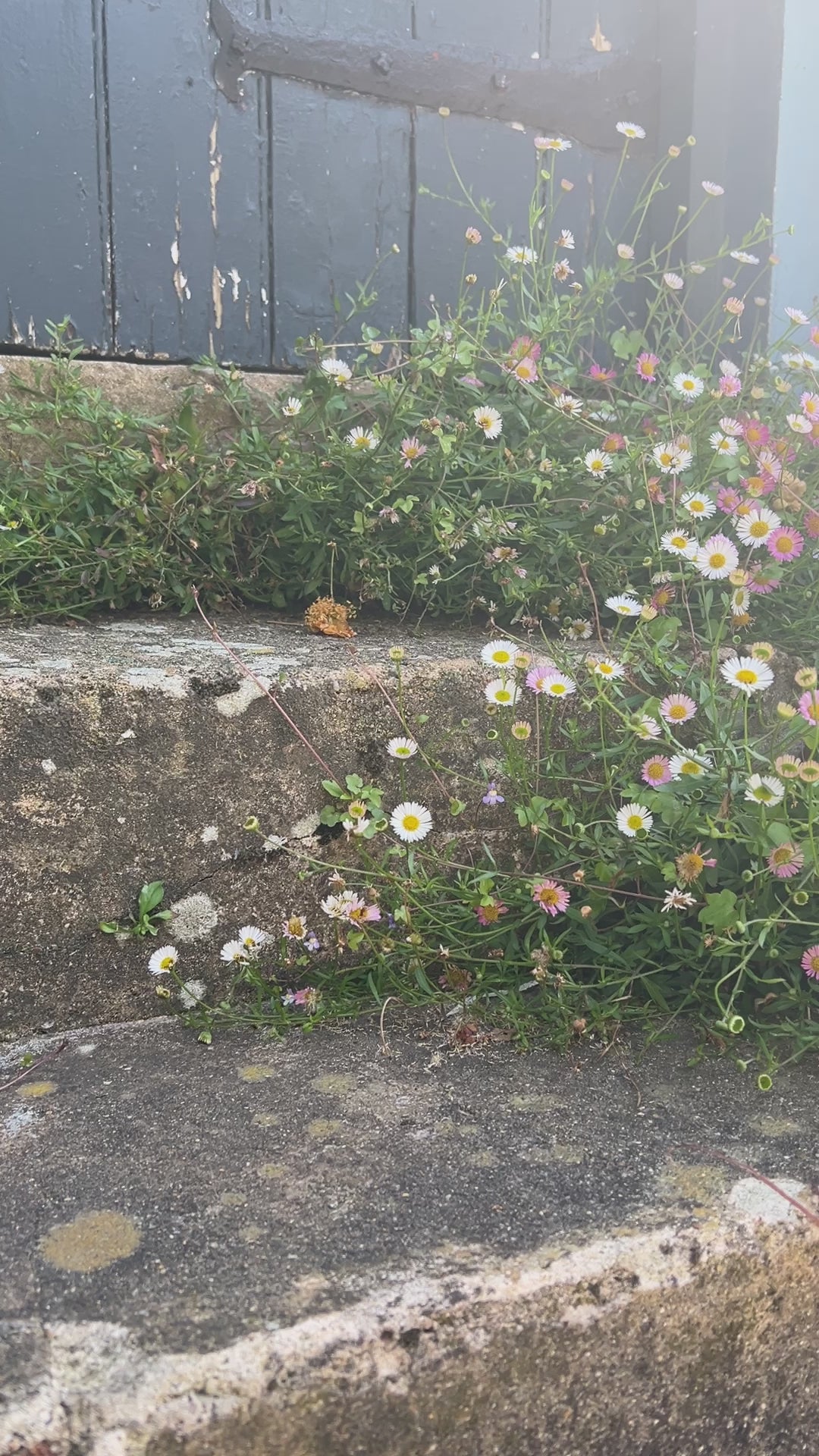
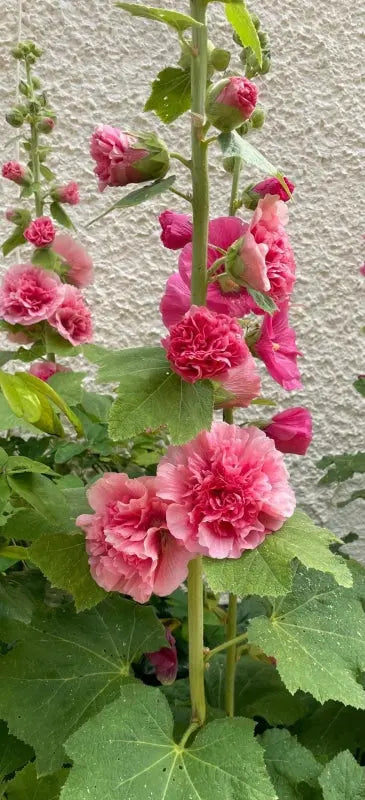
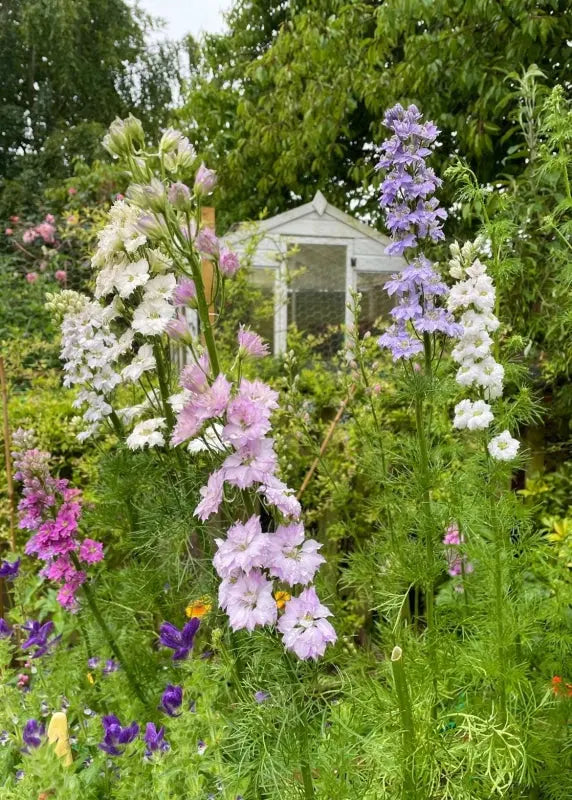
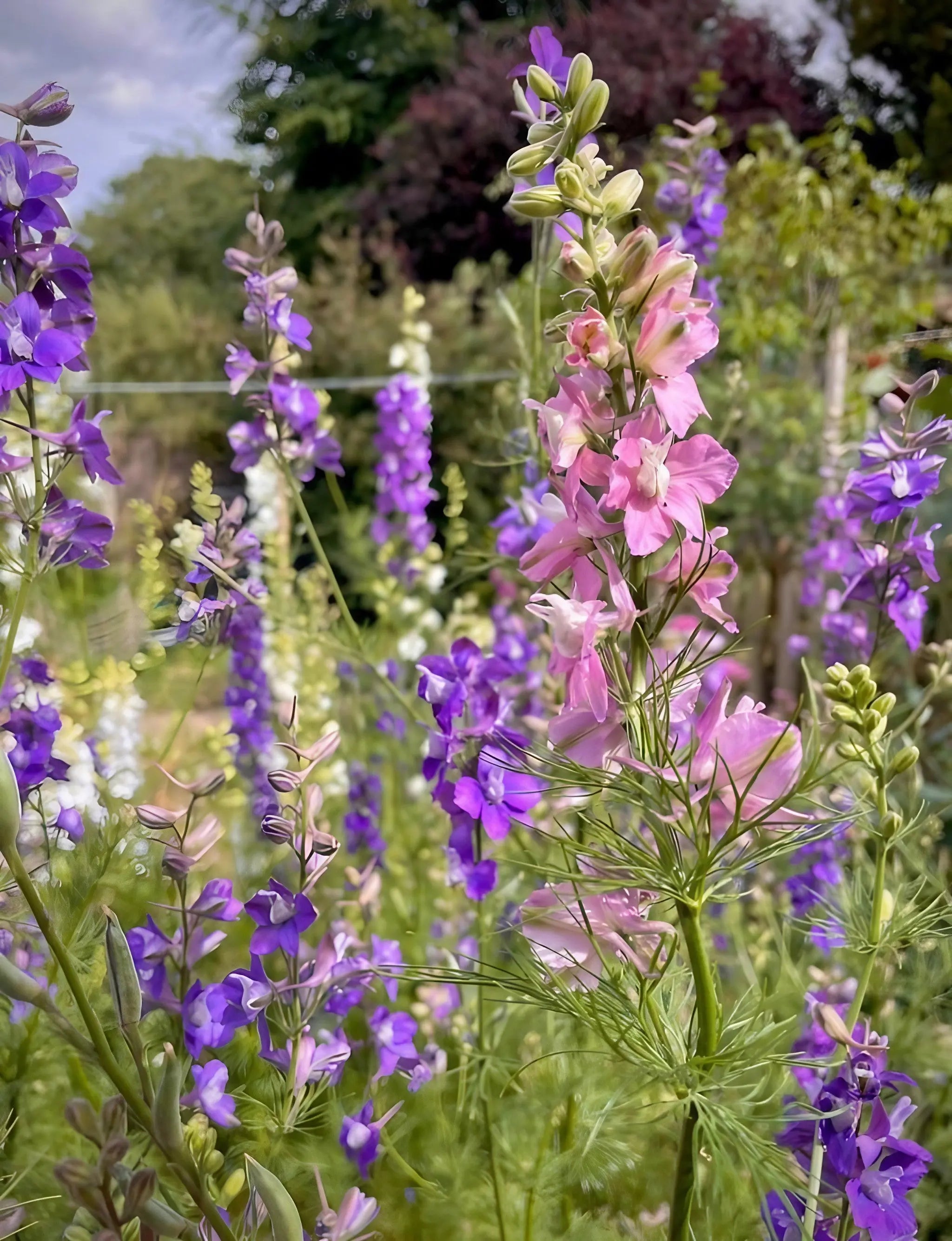
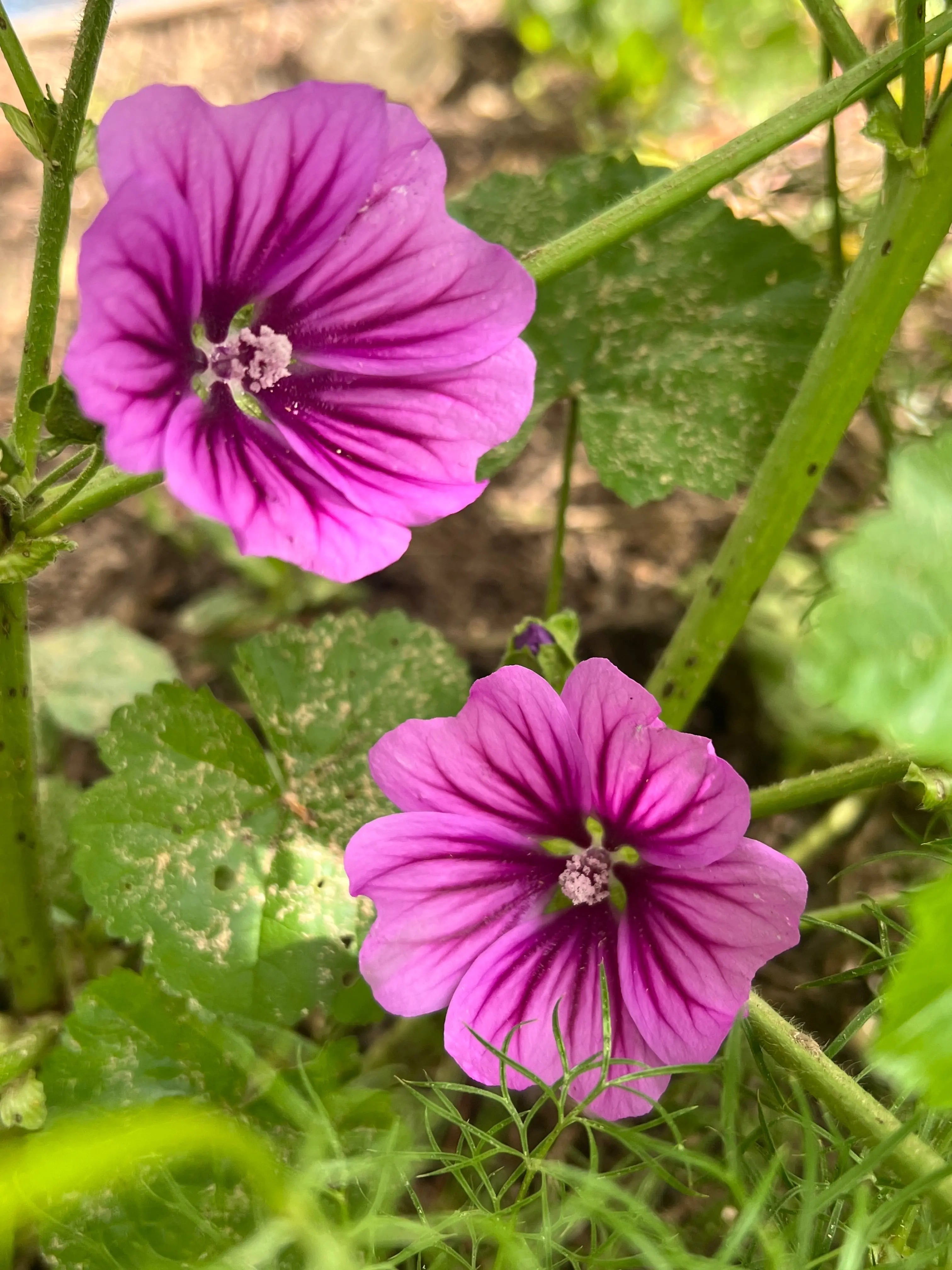
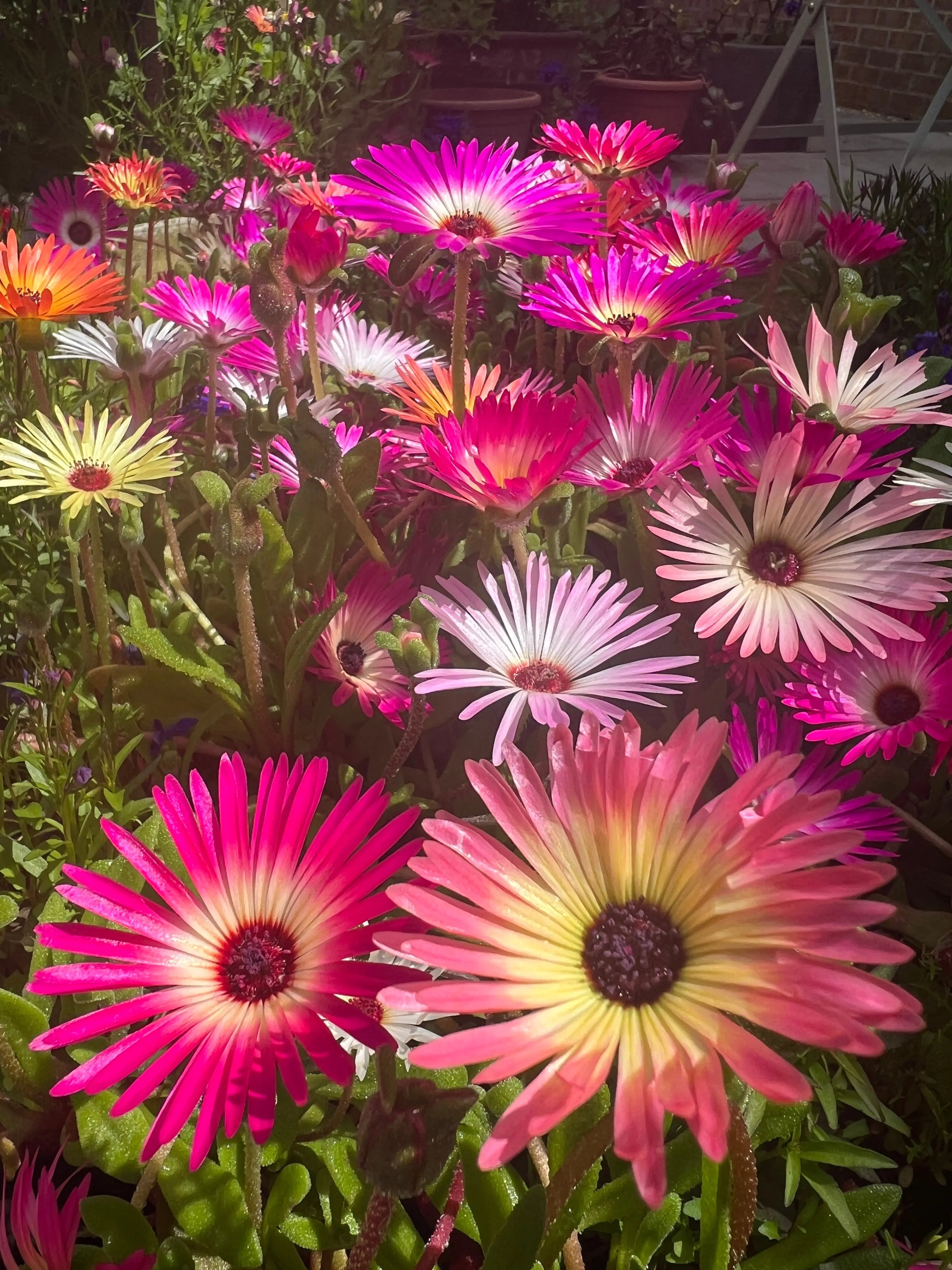
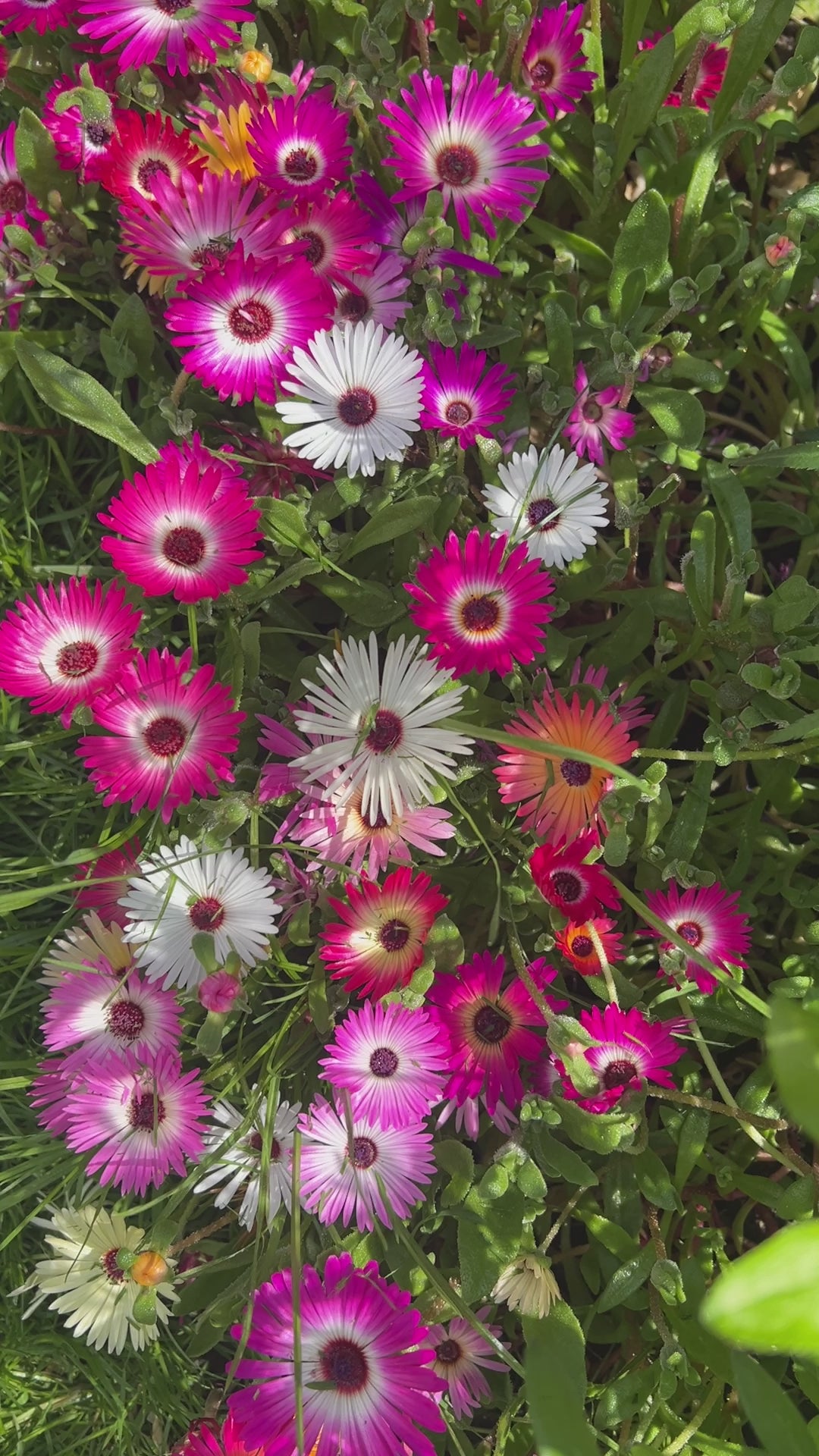
Mixed varieties are perfect when you want the cottage garden's natural diversity. Each packet contains seeds across a range of tones — you might get pink, white, blue, and purple from a single sowing of mixed cornflowers. The result is the layered, abundant look that defines cottage style, without the work of buying multiple colours separately.
Can I predict the colour balance in a mix?
Not precisely. Seed companies aim for a balanced mix in each packet, but exact ratios vary. You'll typically get a representative spread of the named colours, but some shades may dominate or be sparse in any given sowing. This unpredictability is part of the charm — each garden becomes unique.
What pairs well with mixed-colour plantings?
Mixed planting needs strong supporting structure. Plain dark green foliage, silver-leaved plants, and a deliberate framework of evergreen or architectural plants give the mixed colours somewhere to settle. White flowers among a mixed planting calm everything down and let the other colours breathe. Avoid placing two mixed varieties directly next to each other — it can become visually noisy.
Are mixed varieties good value?
Often, yes. A single packet of mixed cornflowers gives you what would otherwise need four or five separate-colour packets to achieve. For impulse cottage gardeners and beginners, this is genuinely excellent value. For gardeners with a specific colour scheme in mind, single-colour seed packets give more control.

