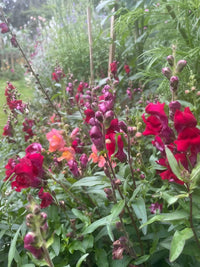
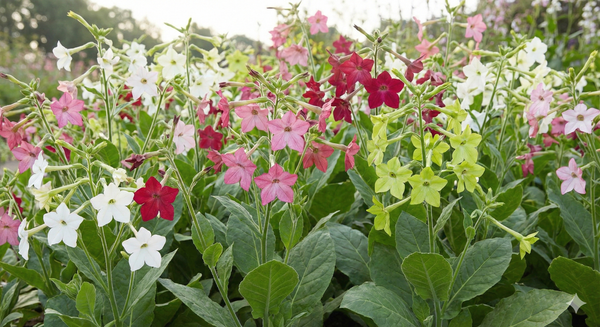
Antirrhinum Crown Mixed (Antirrhinum majus) – pink, red, yellow and white snapdragons

Antirrhinum Crown Mixed

£2.15
Skip to product information
Antirrhinum Crown Mixed (Antirrhinum majus) – pink, red, yellow and white snapdragons
RHS Plants for Pollinators

Antirrhinum Crown Mixed

Antirrhinum majus 'Crown Mixed'

2 reviews

A carnival of cottage garden colour on bushy, self-supporting plants — scarlet, hot pink, yellow, purple and white snapdragons from a single packet.

£2.15

Free UK delivery on seed orders over £40

Dispatched from our Norfolk farm by Royal Mail, usually within one working day.

Your growing year

Sow, plant out and flowering months for this variety

Jan
Feb
Mar
Apr
May
Jun
Jul
Aug
Sep
Oct
Nov
Dec
Sow
Plant out
In flower
SowPlant outIn flower

At a glance

Height
35–45cm
Spread
25cm
Spacing
25cm
Position
Full sun — essential
Colour
Mixed
Seeds per packet
1,000
Soil
Reasonably fertile, well-drained
Grow guide How to grow Antirrhinum Crown Mixed Read the full guide →

About this variety

A bedding snapdragon rather than a cutting one, and honest about it. Bushy plants at 35 to 45cm that branch freely from the base, in a full rainbow of scarlet, hot pink, yellow, deep purple and white, flowering from June to the first hard frosts.

The virtue here is that it asks nothing of you. The taller cutting varieties want pinching, staking and careful handling. Crown Mixed goes in the ground and gets on with it, and the spikes are dense and weather-resistant enough to take a wet summer without collapsing. If you want long stems for the vase this is the wrong snapdragon; the stems are short and bushy and only really suit a jam jar posy.

It is the classic dragon's mouth flower, the one children squeeze open and shut, which is reason enough on its own to put a row of it where they will find it. Bumblebees are the only insects heavy enough to force the petals apart and reach the nectar, so a bed of these is a bumblebee bed specifically. In a mild garden it behaves as a short-lived perennial and will sometimes overwinter.
RHS Plants for Pollinators

This plant has been assessed by the Royal Horticultural Society and recommended as especially beneficial to bees, butterflies and other pollinators. Growing plants like this directly supports UK pollinator populations — something close to our hearts at Salle Moor Hall Farm, where we see the difference a cottage garden full of the right plants can make.

Learn more at RHS.org.uk →
  • 5 stars: 2 (100%)
  • 4 stars: 0 (0%)
  • 3 stars: 0 (0%)
  • 2 stars: 0 (0%)
  • 1 star: 0 (0%)
N
Nicola

Nice package & instructions