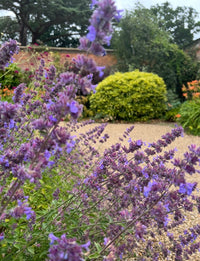
Nepeta Mussinii (catmint) – tall violet flower spikes with a bee against a cloudy sky

Nepeta Mussinii - Catmint

£2.00
Skip to product information
Nepeta Mussinii (catmint) – tall violet flower spikes with a bee against a cloudy sky
RHS Plants for PollinatorsBeginner friendly

Nepeta Mussinii - Catmint

Nepeta mussinii -- Catmint; Grey Catmint

2 reviews

Endless soft lavender-blue flower spikes above tumbling silver-grey aromatic foliage — the "Easy Lavender" that establishes faster from seed and supports bees May to September.

£2.00

Free UK delivery on seed orders over £40

Dispatched from our Norfolk farm by Royal Mail, usually within one working day.

Your growing year

Sow, plant out and flowering months for this variety

Jan
Feb
Mar
Apr
May
Jun
Jul
Aug
Sep
Oct
Nov
Dec
Sow
Plant out
In flower
SowPlant outIn flower

At a glance

Height
30-45cm
Spread
60cm
Spacing
30cm
Position
Full sun
Colour
Lilac
Seeds per packet
250
Soil
Free-draining soil is crucial. It dislikes waterlogged ground, which can cause root rot, especially in winter.
Grow guide How to grow Nepeta Mussinii - Catmint Read the full guide →

About this variety

A low tumbling mound of silver-grey aromatic foliage, 30 to 45cm high and spreading to 60 or 75cm, topped with soft lavender-blue spikes from May right through to September.

It is the easy lavender. You get the same silver-and-blue cottage effect, the same path-edge softening, the same enormous bee traffic, on a plant that establishes in one season from seed and grows in soils true lavender would refuse. Underplanted round roses it hides the bare leggy stems and looks as though it has always been there.

The one job it needs is a hard cut after the first flush. Shear it back by two thirds in late June or early July and you get a second wave of flower in August and September. Skip it and you have a tatty woody mound from August on.

The other thing to know is cats. It contains the same compound as catnip at a lower concentration, so some cats ignore it and some roll in it and flatten it. Young plants are vulnerable; a wire cloche over them for the first season sees them through, and established plants shrug it off.
RHS Plants for Pollinators

This plant has been assessed by the Royal Horticultural Society and recommended as especially beneficial to bees, butterflies and other pollinators. Growing plants like this directly supports UK pollinator populations — something close to our hearts at Salle Moor Hall Farm, where we see the difference a cottage garden full of the right plants can make.

Learn more at RHS.org.uk →
  • 5 stars: 2 (100%)
  • 4 stars: 0 (0%)
  • 3 stars: 0 (0%)
  • 2 stars: 0 (0%)
  • 1 star: 0 (0%)
N
Nicola

My cats absolutely adore this I mainly grow this for them

A
Annette

Quick delivery and service. Just wait now for my seed babies.