

 New
New
Bishy Barnabee’s Cottage Garden
Sow in May
The last frost passes — plant out and keep sowing
New New
NewVegetable Seeds
Cabbage Greyhound
Brassica oleracea 'Greyhound' Heritage pointed summer cabbage The cabbage…
Sow: Feb–Jul
£1.50
View
 New
NewVegetable Seeds
Beetroot Boldor F1
Beta vulgaris 'Boldor' F1 Golden beetroot, F1 hybrid The…
Sow: Mar–Jul
£1.90
View
 New
NewVegetable Seeds
Leek Musselburgh
Allium porrum 'Musselburgh' Scottish heritage maincrop leek, RHS…
Sow: Feb–May
£1.95
View
 New
New New
NewVegetable Seeds
Beetroot Chioggia
Beta vulgaris 'Chioggia' Italian heritage variety with pink-and-white concentric…
Sow: Mar–Jul
£1.95
View
 New
New New
NewVegetable Seeds
Cabbage Red Drumhead
Brassica oleracea 'Red Drumhead' Heritage red drumhead cabbage, dating…
Sow: Apr–May
£1.85
View
 New
NewVegetable Seeds
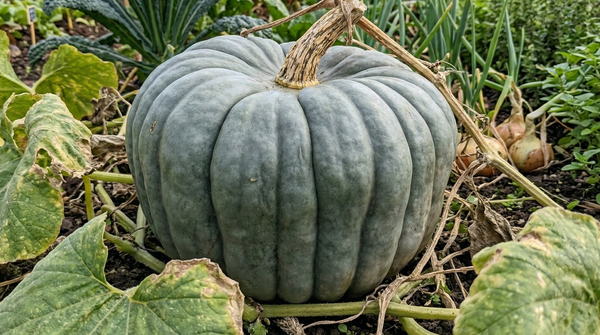
Squash Turks Turban
Cucurbita maxima 'Turks Turban' Heritage ornamental and edible…
Sow: Apr–May
£1.80
View
 New
NewVegetable Seeds
Parsnip Tender & True
Pastinaca sativa 'Tender and True' Heritage long-rooted parsnip,…
Sow: Mar–May
£1.90
View
 New
New
Vegetable Seeds
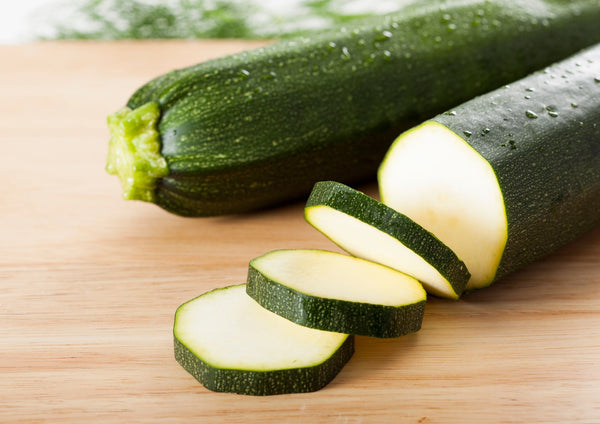
Courgette All Green Bush
Cucurbita pepo 'All Green Bush' Heritage British bush…
Sow: Apr–Jun
£2.00
View
Sowing in May — your questions answered
What can I sow in May?
The last frost in most of the UK falls in early to mid-May, so everything tender can finally go outside. Sow direct: French beans, runner beans, courgettes, sweetcorn, squashes, pumpkins, salad leaves, beetroot, carrots, and most herbs. Plant out: tomatoes, cosmos, zinnias, and any half-hardy annuals you have raised under cover. Keep succession-sowing salads and quick crops.
When can I plant out my half-hardy seedlings?
Once nights are reliably above 8–10°C and the last frost has passed in your area. For most of the UK that's mid-May; in the South West and along the south coast you can sometimes plant out from late April; in Scotland and northern England, wait until late May or early June. Harden plants off gradually over a week before they go in.
Is it too late for hardy annuals?
Not at all — a May sowing of hardy annuals like cornflowers, calendula, and nigella will flower from late July through autumn, extending the season nicely. They won't be as tall or productive as autumn-sown plants, but they're still very worthwhile. Sow direct into well-prepared soil and water in gently.
What about pollinator-friendly plants?
May is an excellent month to sow plants for pollinators — borage, calendula, cosmos, phacelia, and verbena bonariensis all establish well now. They will be flowering by July or August, providing nectar through the critical late-summer gap when many garden flowers have gone over.