Sow in June
Late sowings, biennials, and succession crops

Late sowings, biennials, and succession crops
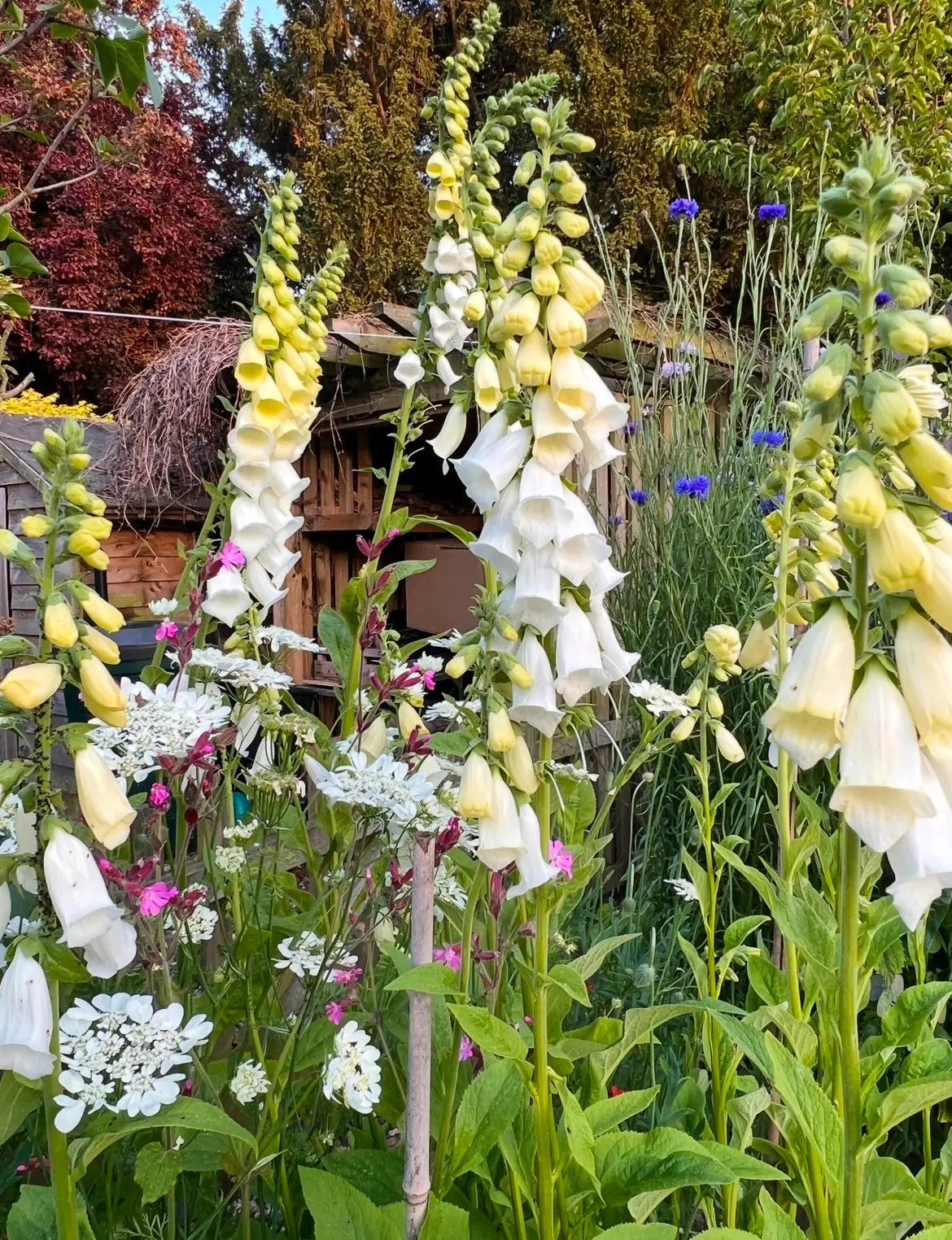
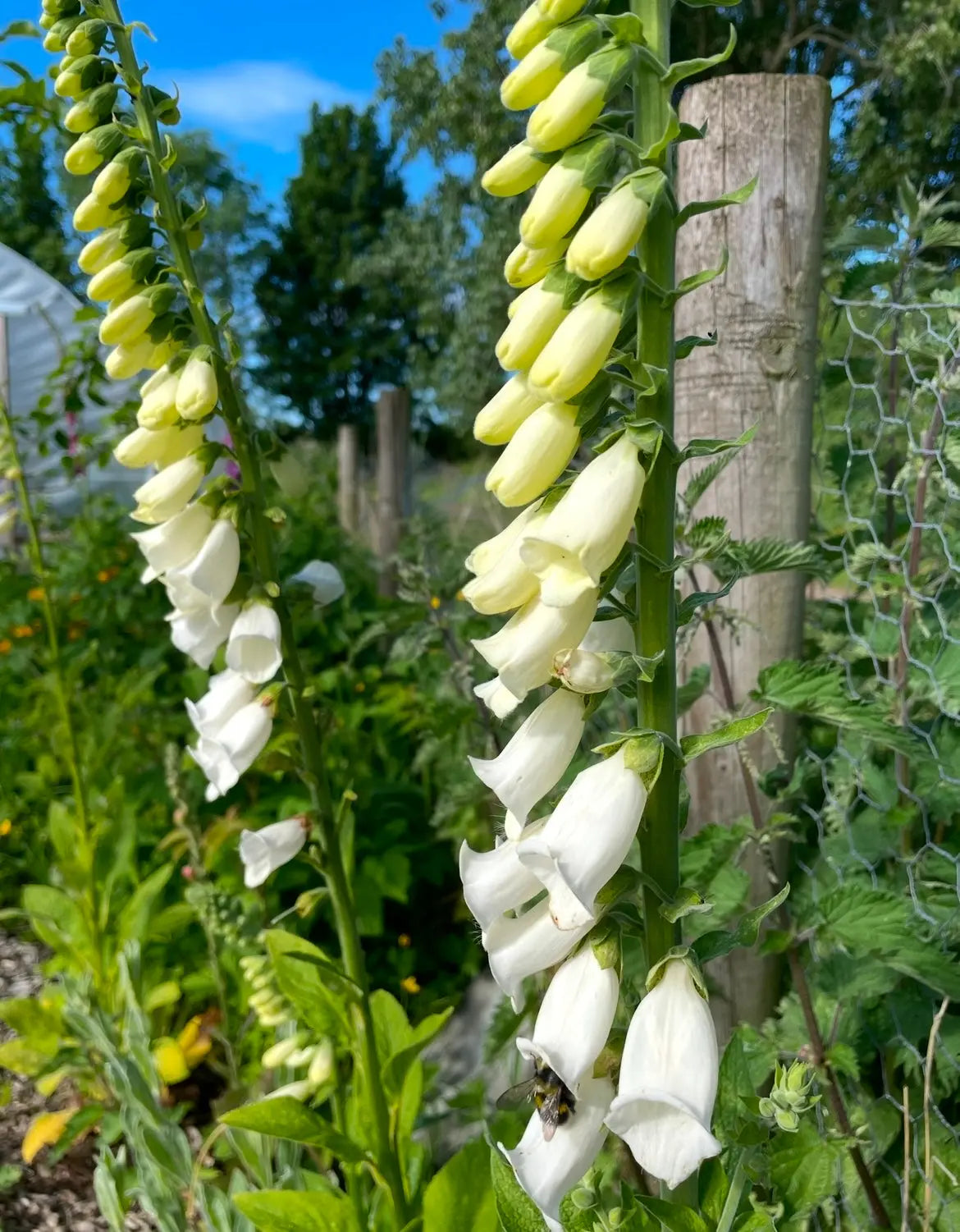
Direct sow: French and runner beans (a second batch), salad leaves, beetroot, carrots, kohlrabi, swede, and turnips. Sow biennial flowers under cover or in modules: foxgloves, sweet williams, hollyhocks, honesty, and wallflowers — they will overwinter as young plants and flower next year. Continue with succession sowings of fast crops.
For most fruiting crops like tomatoes, peppers, and squash, yes — they need a longer season than June leaves them. However, fast vegetables like courgettes, beans, salad leaves, and beetroot still have plenty of time. Late-sown courgettes often crop until the first frosts when earlier plants are tiring.
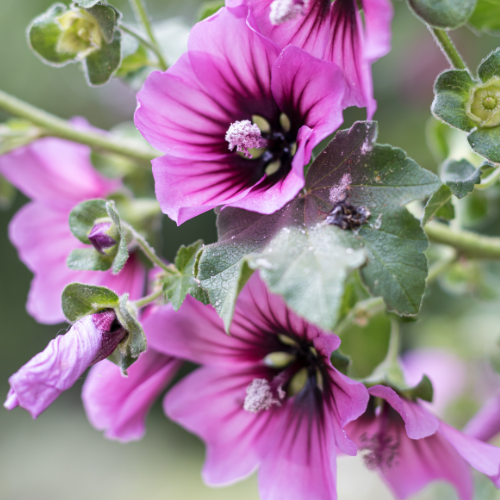
June and July are the sweet spot for biennials — foxgloves, sweet williams, hollyhocks, honesty, and wallflowers. Sow into modules under cover, then pot them on as they grow. By late summer they will be young plants ready to go into their final positions, where they will overwinter and flower the following year.
Cut everything regularly — the more you pick, the more the plants produce. Sow a second batch of fast annuals (cornflowers, calendula, ammi) for late-summer succession. Pinch out the tops of cosmos and zinnias to encourage branching. Feed weekly with a high-potash feed once flowering starts. Water consistently rather than heavily.