Sow in July
Biennials, succession sowing, and late-summer planning

Biennials, succession sowing, and late-summer planning
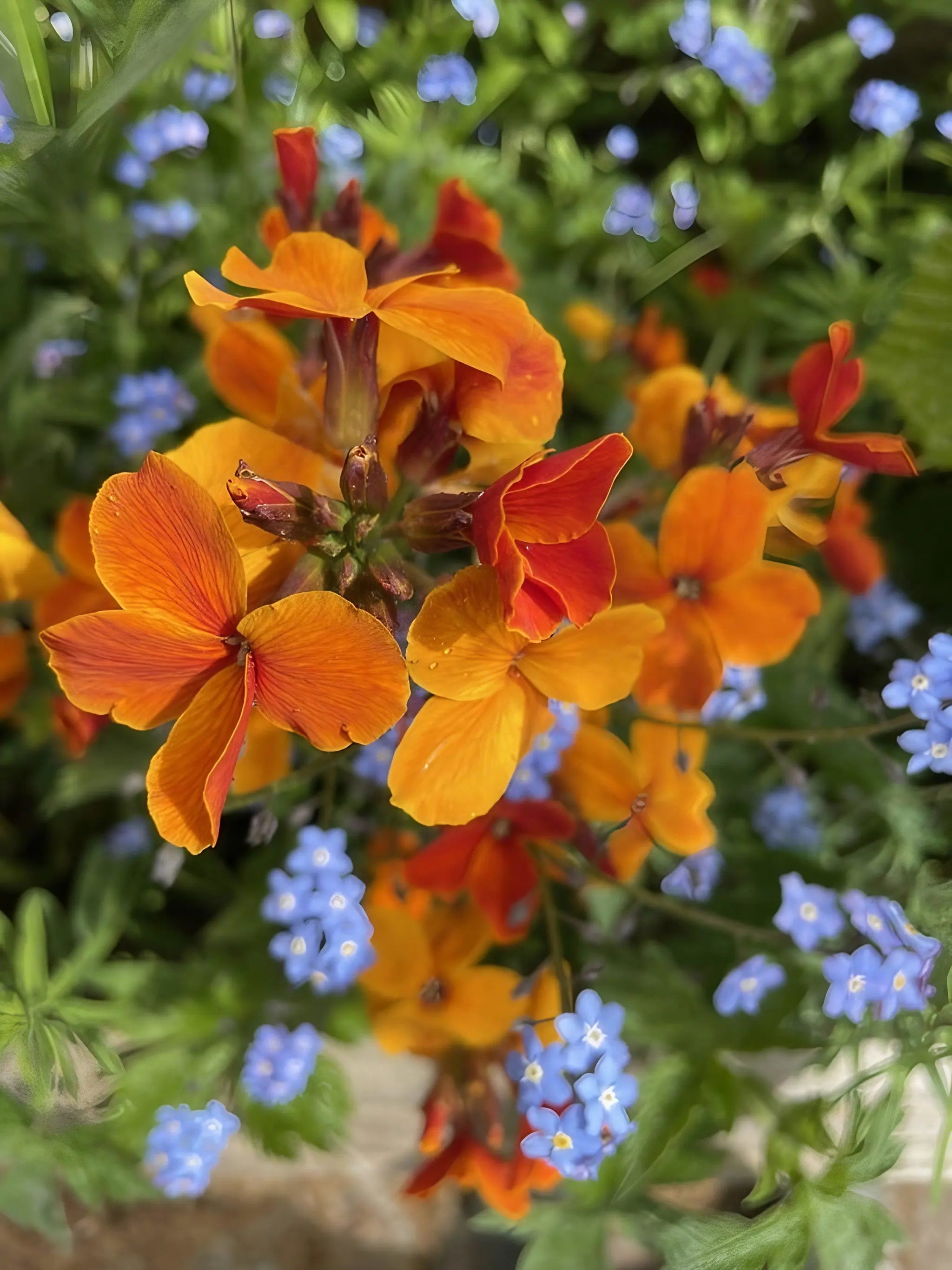
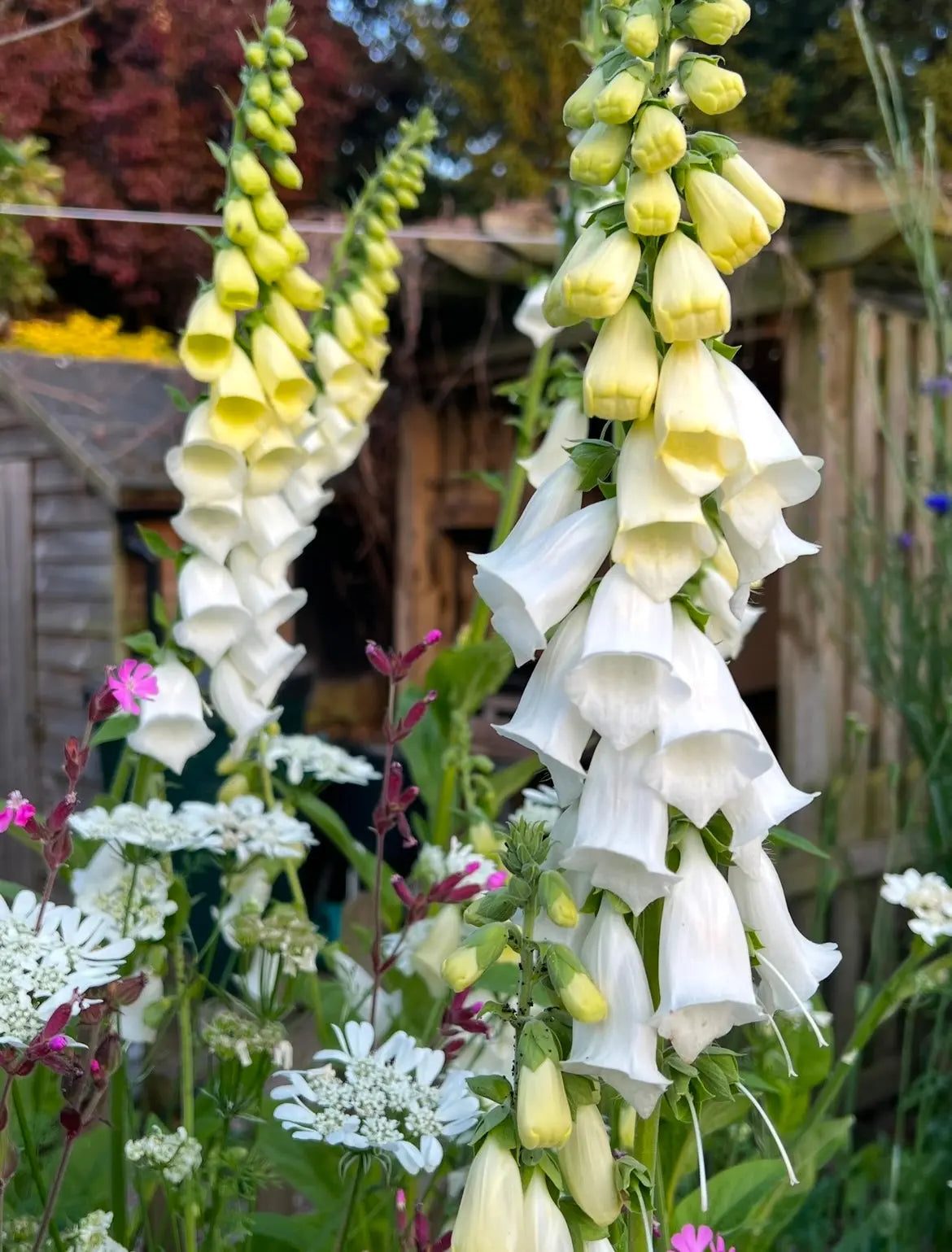
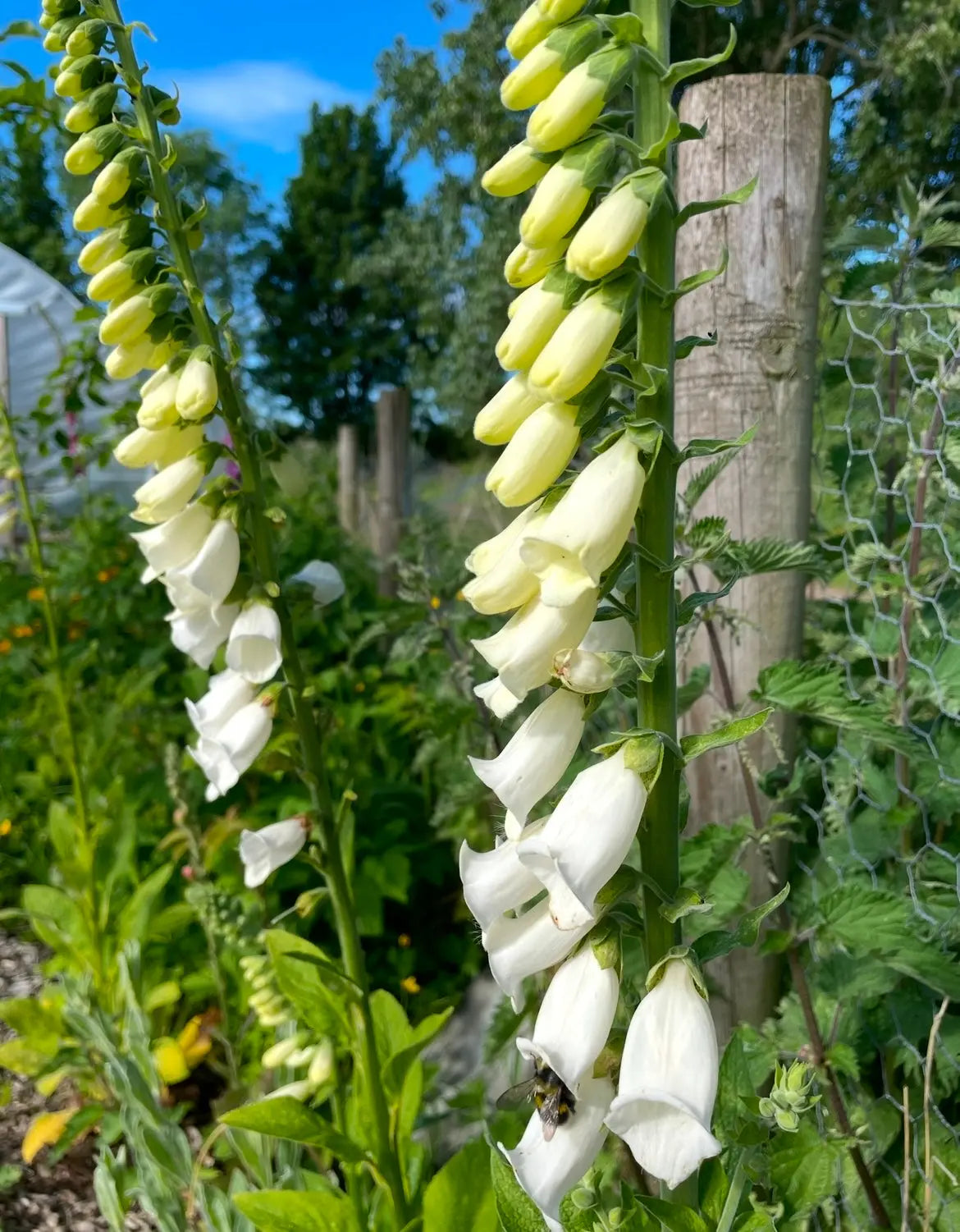
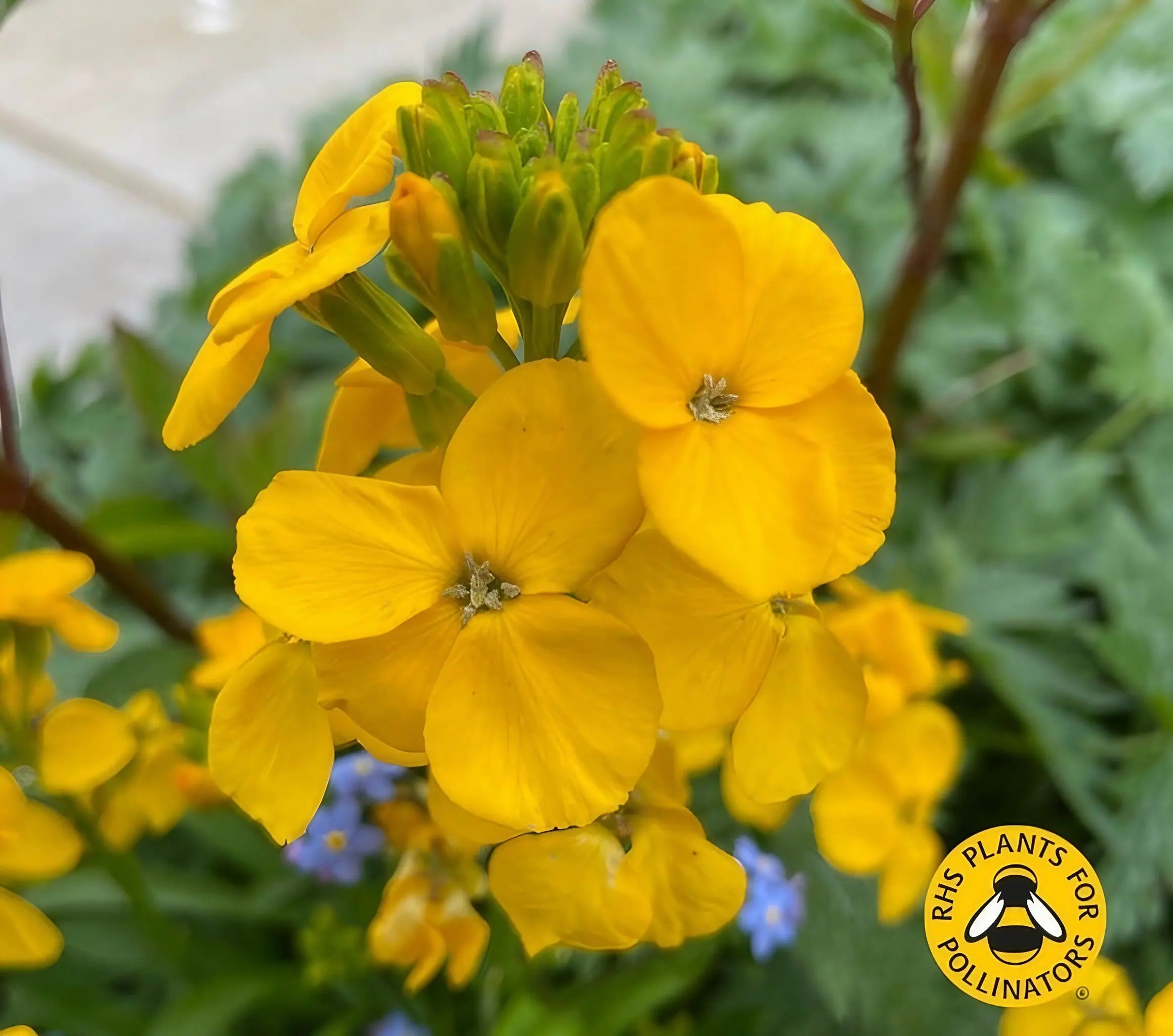
Biennials are the main July sowing — foxgloves, sweet williams, wallflowers, and honesty all benefit from being started now for next year's flowers. Continue sowing fast vegetables like salad leaves, radishes, beetroot, spring onions, and chard. Start sowing autumn and winter crops: leeks, spring cabbages, kale, and turnips. French beans can still be sown for an early autumn crop.
Yes — most flowering and fruiting plants will benefit from a weekly feed by July. Tomatoes, peppers, and chillies need high-potash feed (a tomato feed) once flowering starts. Cutting flowers benefit from the same. Leafy crops are better with a balanced feed or seaweed solution. Always feed onto damp soil, never dry.
Mid-summer slump usually comes down to water stress, root constraint, or exhausted soil. Water deeply twice a week rather than little and often. Mulch around stems to retain moisture. If plants are in pots, check whether they need potting on. For annuals approaching the end of their natural life, sow a fast replacement now — calendula or cornflowers will flower by September.
Yes — chrysanthemums (from cuttings or young plants), late asters, and sedum are still worth adding. From seed, fast-growing varieties like calendula, cornflowers, and cosmos sown now will flower from September through the first frosts. Late-summer-sown hardy annuals are also a possibility for an extra-long autumn show.