


Poppy Flanders Red
Papaver rhoeas -- Flanders Poppy; Corn Poppy; Field Poppy
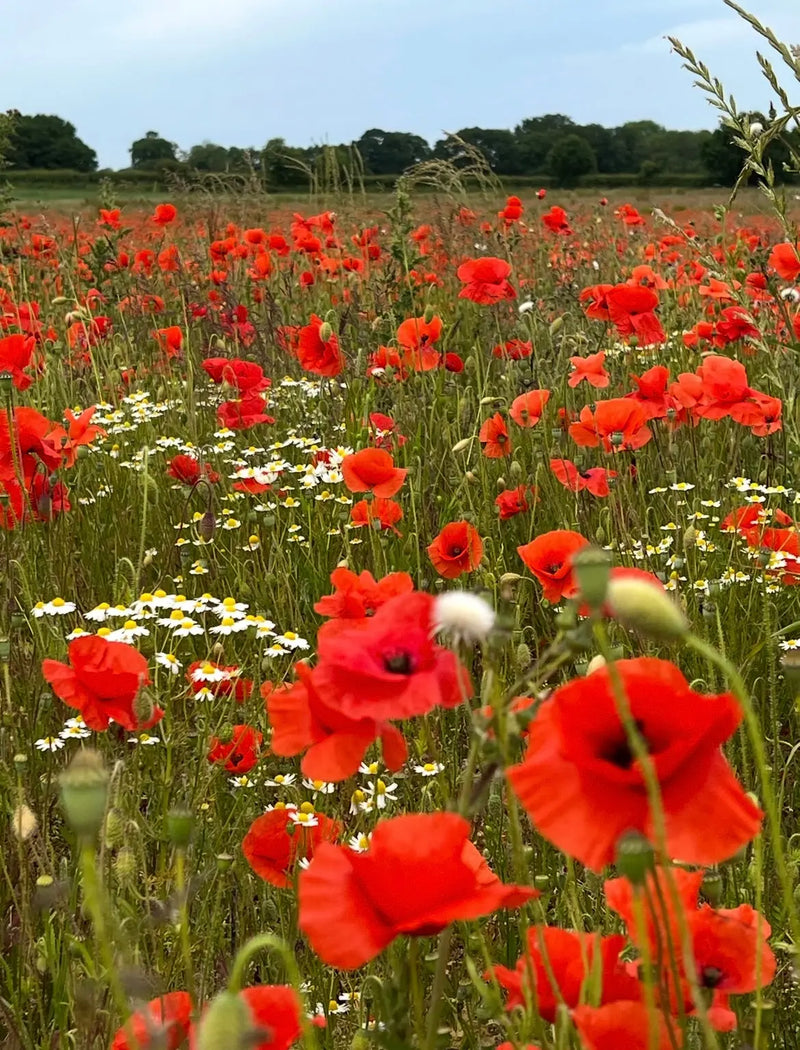
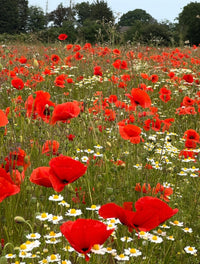
The iconic silky scarlet Field Poppy with dark centre — the native British wildflower of fields and remembrance. Hardy annual, self-seeding, exceptional pollen plant.
About this variety
Papaver rhoeas Flanders Red Poppy / Common Field Poppy / Corn Poppy
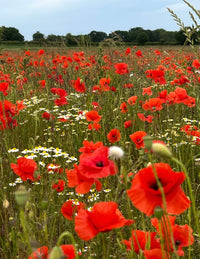
The iconic scarlet flower of British fields, hedgerows and remembrance — delicate translucent silky scarlet-red cups with the characteristic dark blotch centre, held airily on tall wiry stems above feathery green foliage. Flanders Red is the native hardy annual that flowers prolifically in its first year from a single sowing, supports bees throughout the summer, and provides one of the most powerful and emotionally resonant single colours any UK garden can produce.
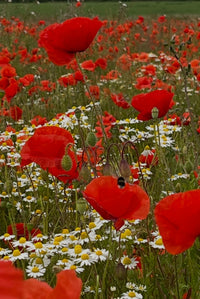
This is the British field poppy — the same Papaver rhoeas that has bloomed across British and European fields for centuries, the same flower that famously bloomed across the battlefields of Flanders in 1914–1918 and became the international symbol of remembrance. In the garden, 'Flanders Red' produces a dramatic scattered display of large silky tissue-paper scarlet cups, each 5–7cm across, held at the top of tall slender wiry stems (45–75cm) that sway in summer breezes. The translucent quality of the petals catches and refracts summer light in a way few other flowers can match — particularly outstanding when planted where rising or setting sun can backlight the flowers. Hardy annual that flowers in its first year from seed and self-seeds prolifically to maintain permanent informal colonies in suitable conditions. RHS Plants for Pollinators — Field Poppies are exceptional pollen sources for bees, who specifically forage them for their dark high-protein pollen. Native British wildflower.
A note on growing
Like all Papavers, 'Flanders Red' has a sensitive taproot and must be direct-sown where it is to flower — never started indoors. The good news: like Larkspur, poppies actually benefit from a cold period to trigger germination, making autumn sowing particularly rewarding.
Autumn sowing (September–October) — recommended. Sowing in autumn gives poppy seeds natural cold stratification over winter, resulting in earlier stronger plants that flower from May or June — often weeks ahead of spring-sown plants. Seeds overwinter in the ground and germinate when conditions are right in early spring. This is the traditional cottage garden method and gives the best results.
Spring sowing (March–May) also works, though the resulting plants are slightly smaller and flower slightly later than autumn-sown.
Rake soil to a fine tilth, scatter seeds thinly on the surface (do not cover — poppy seeds need light to germinate), press them firmly into the soil. Germination 14–21 days. Full sun, well-drained soil. Do not feed — poor soil gives the best plants. Thin seedlings if very crowded but don't worry about excessive thinning — Field Poppies look most authentic in informal drifts where the plants lean and support each other.
Where it shines
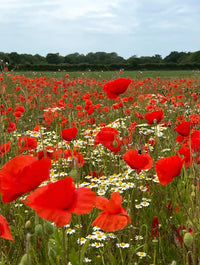
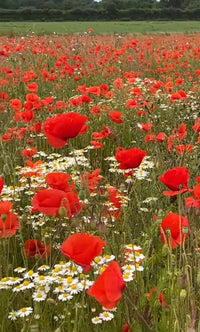
In wildflower meadows and naturalistic plantings as the iconic native — there is no more authentic British meadow plant. In cottage borders for the silky scarlet drama. In remembrance gardens and any historically-themed planting. As year-one colour in establishing wildflower meadows alongside slower perennials (Oxeye Daisy, Cornflower) — Flanders Red provides instant impact while the perennials develop. As cut flowers, but with proper handling: cut in early morning when buds are just beginning to open and sear stem ends with a lit match or boiling water before placing in water (the latex sap otherwise causes immediate wilting). In wildlife gardens for the high pollen value.
Plant alongside
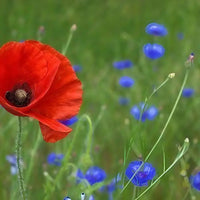
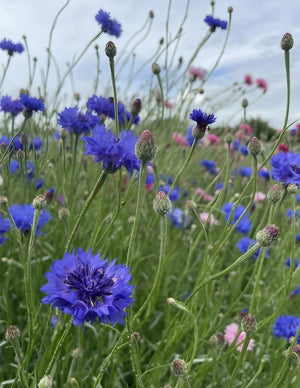
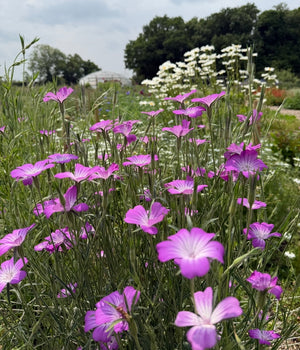
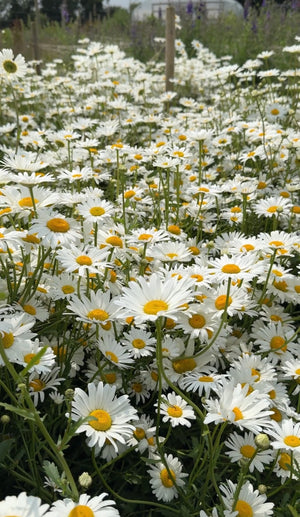
For the recreated British cornfield meadow, combine 'Flanders Red' with Cornflower 'Blue Ball', Corncockle, and Wild Chicory — the traditional native arable wildflower mix that gave summer British landscapes their colour before agricultural herbicides. With Oxeye Daisy for the classic red-and-white wildflower combination. For ornamental cottage use, pair with Ammi majus (airy white lace softens the bold red) and Cornflower 'Black Ball' (sophisticated dark contrast).
Plant alongside
Poppy Flanders Red pairs beautifully with these cottage garden classics

RHS Plants for Pollinators
This plant has been assessed by the Royal Horticultural Society and recommended as especially beneficial to bees, butterflies and other pollinators. Growing plants like this directly supports UK pollinator populations — something close to our hearts at Salle Moor Hall Farm, where we see the difference a cottage garden full of the right plants can make.
Learn more at RHS.org.uk →