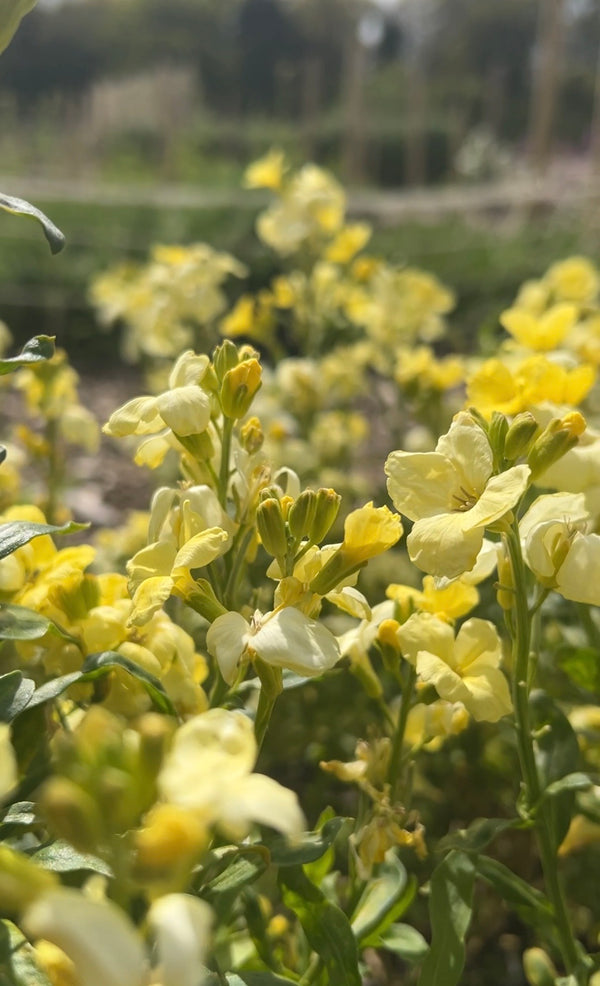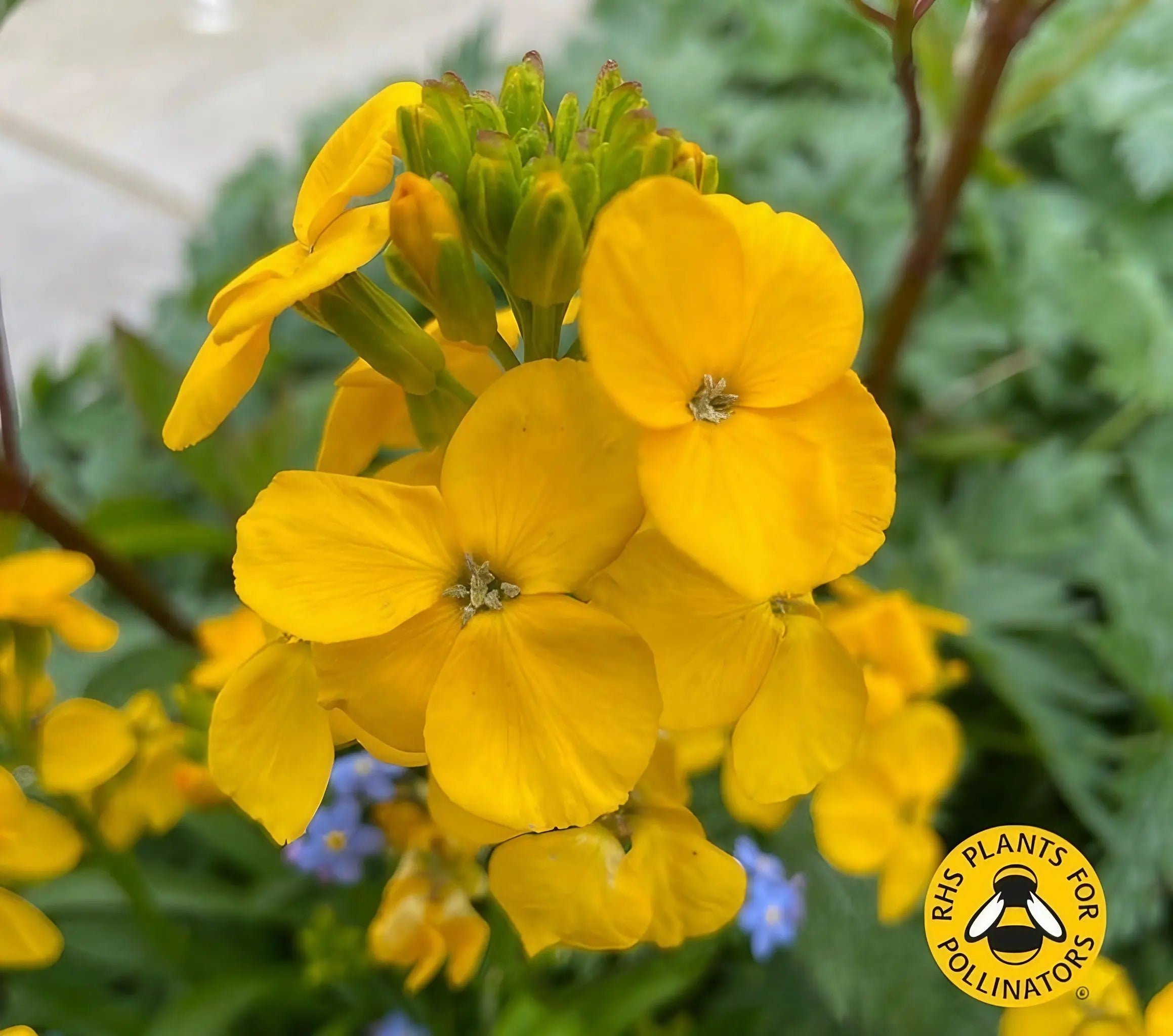
Wallflower Cloth of Gold (Erysimum cheiri) – golden yellow flowers by a brick wall

Wallflower Cloth of Gold

£2.05
Skip to product information
Wallflower Cloth of Gold (Erysimum cheiri) – golden yellow flowers by a brick wall
RHS Plants for Pollinators

Wallflower Cloth of Gold

Erysimum cheiri 'Cloth of Gold' — Biennial

A glorious cottage cloak of rich deep golden-yellow blooms with the legendary Wallflower clove-and-spice fragrance — the warm-gold cottage biennial for spring borders.

£2.05

Free UK delivery on seed orders over £40

Dispatched from our Norfolk farm by Royal Mail, usually within one working day.

Your growing year

Sow, plant out and flowering months for this variety

Jan
Feb
Mar
Apr
May
Jun
Jul
Aug
Sep
Oct
Nov
Dec
Sow
Plant out
In flower
SowPlant outIn flower

At a glance

Height
40cm-50cm
Spread
30cm
Spacing
30cm
Position
Full sun is essential to produce the most vibrant blooms and the strongest fragrance.
Colour
Yellow
Seeds per packet
50
Soil
Poor to moderately fertile soil.
Grow guide How to grow Wallflower Cloth of Gold Read the full guide →

About this variety

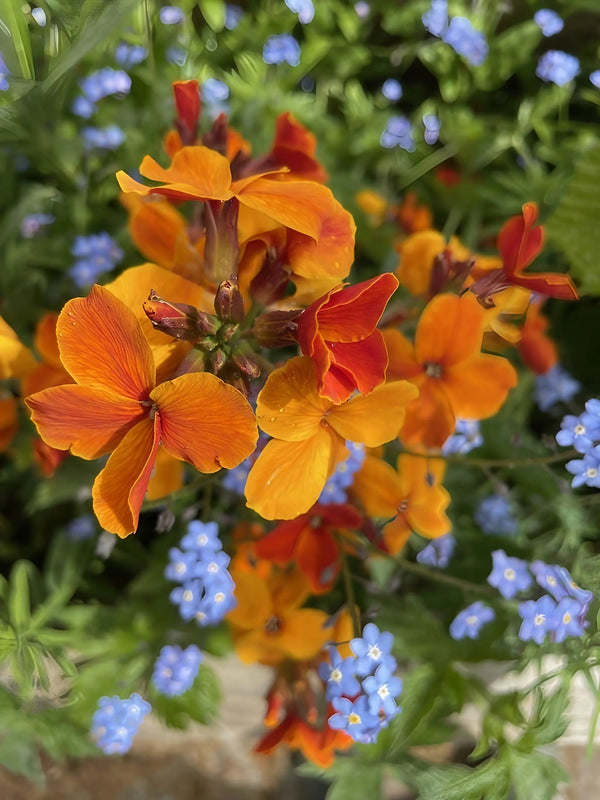
Dense spikes of small four-petalled flowers in a rich deep golden-yellow over compact mounds of dark green leaves, in March, April and May.

The scent is the point. It is a heavy honey, clove and spice perfume that hangs in still spring air, and on a warm March day it carries a surprising distance. Put it beside a path or a doorway rather than at the back of a border. It matters ecologically too: wallflowers are among the first substantial nectar sources of the year, at exactly the moment queen bumblebees come out of hibernation with nothing else to feed on.

It is a biennial, so it needs sowing in summer for flowers the following spring, and nothing happens in year one. Sow a short row every year and there is always a crop coming.

Wallflowers contain cardenolides, related to the compounds in foxgloves. All parts are toxic if eaten, so keep them from children and pets, and wear gloves if your skin is sensitive.
RHS Plants for Pollinators

This plant has been assessed by the Royal Horticultural Society and recommended as especially beneficial to bees, butterflies and other pollinators. Growing plants like this directly supports UK pollinator populations — something close to our hearts at Salle Moor Hall Farm, where we see the difference a cottage garden full of the right plants can make.

Learn more at RHS.org.uk →