

Gypsophila Pink
Gypsophila elegans Pink
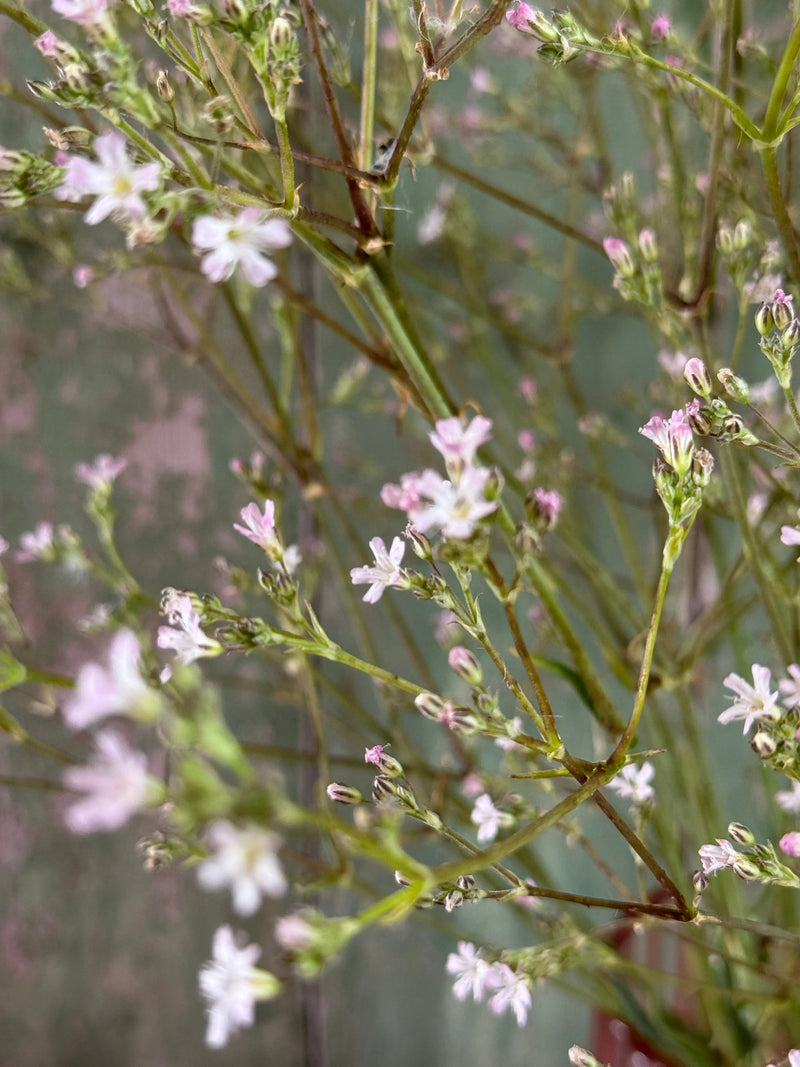
Masses of misty rose-pink open-faced flowers — the soft pink form of annual Baby's Breath for romantic cottage cutting and warm-toned bouquets.
About this variety
Gypsophila elegans 'Pink' Annual Pink Baby's Breath
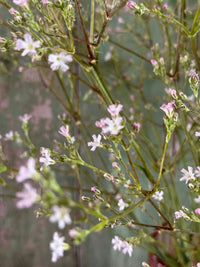
Masses of misty rose-pink open-faced flowers on slender stems — Gypsophila 'Pink' is the soft pink form of the annual Baby's Breath, providing the same airy "florist's secret" cloud-effect as the white form but in a romantic blush palette that suits warm-toned cottage cutting schemes.
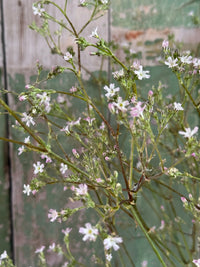
While the white form of annual Gypsophila gets most of the florist attention, 'Pink' is genuinely one of the most useful soft-toned cottage garden annuals. The masses of tiny rose-pink flowers create the same airy mist effect as 'Covent Garden' but in a warm blush palette that complements pinks, peaches, soft creams and gentle apricots beautifully. Tall on slender wiry stems (45–60cm) with characteristic narrow grey-green foliage. Hardy annual (H3) — fast-growing (8–10 weeks to flower from sowing), generous, easy. The "Speed Specialist" of the cutting garden — one of the fastest flowers you can grow from seed, making it ideal for filling gaps in the border quickly or for children's gardens. RHS Plants for Pollinators recognised — particularly attractive to hoverflies and small solitary bees.
A note on growing
Gypsophila has sensitive roots and resents transplanting — direct sowing into the final position is essential. Direct sow outdoors from March to May once soil has warmed. Sow at 5mm depth in well-drained, ideally alkaline soil. Germination 7–14 days. Thin to 20cm spacing.
Succession sowing tip: individual Gypsophila plants flower intensely for 4–5 weeks then decline. For a continuous supply of pink clouds throughout summer, sow a small pinch of seeds every 2–3 weeks until June. This ensures fresh plants coming into flower as earlier sowings finish.
The genus name "Gypsophila" comes from Greek gypsos (gypsum) and philos (loving) — the plant naturally prefers alkaline, chalky soils. If your garden is acidic, a handful of lime worked into the planting position improves performance significantly. In windy gardens, light twiggy support prevents flopping.
Where it shines
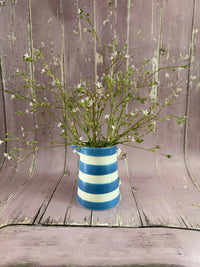
In the cutting garden as a soft pink filler for romantic warm-toned bouquets — 'Pink' provides the airy lift that elevates simple posies into something genuinely beautiful. In cottage borders that lean warm and romantic. As a self-seeding informal addition to mixed plantings. As a fast-growing gap-filler in new borders. In children's gardens for guaranteed success and rapid results.
Plant alongside
For a romantic cottage cutting scheme, combine 'Pink' with Cornflower 'Blue Ball' for the classic blue-and-pink pastel mix that florists have used for decades — the electric blue makes the soft rose-pink look incredibly sophisticated. For pink-on-pink layering, pair with Cosmos 'Apricotta' and Gaura 'Pink Bouquet' for a multi-tonal soft scheme. With white Gypsophila 'Covent Garden' (matching habit, contrasting colour) for a soft pink-and-white cloud effect.
Plant alongside
Gypsophila Pink pairs beautifully with these cottage garden classics
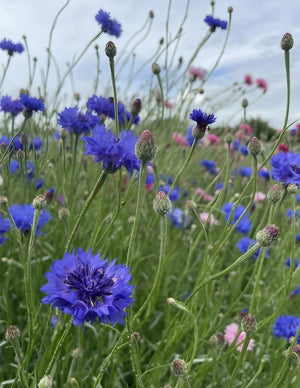
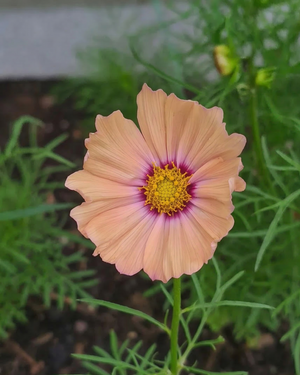
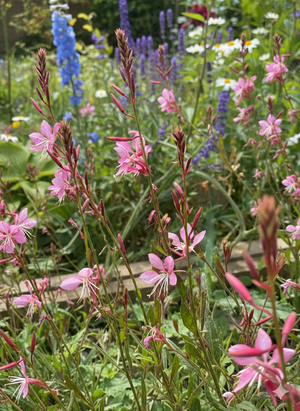

RHS Plants for Pollinators
This plant has been assessed by the Royal Horticultural Society and recommended as especially beneficial to bees, butterflies and other pollinators. Growing plants like this directly supports UK pollinator populations — something close to our hearts at Salle Moor Hall Farm, where we see the difference a cottage garden full of the right plants can make.
Learn more at RHS.org.uk →