


Gaillardia Aristata Bicolour Goblin
Gaillardia aristata Bicolour Goblin -- blanket flower; prairie native
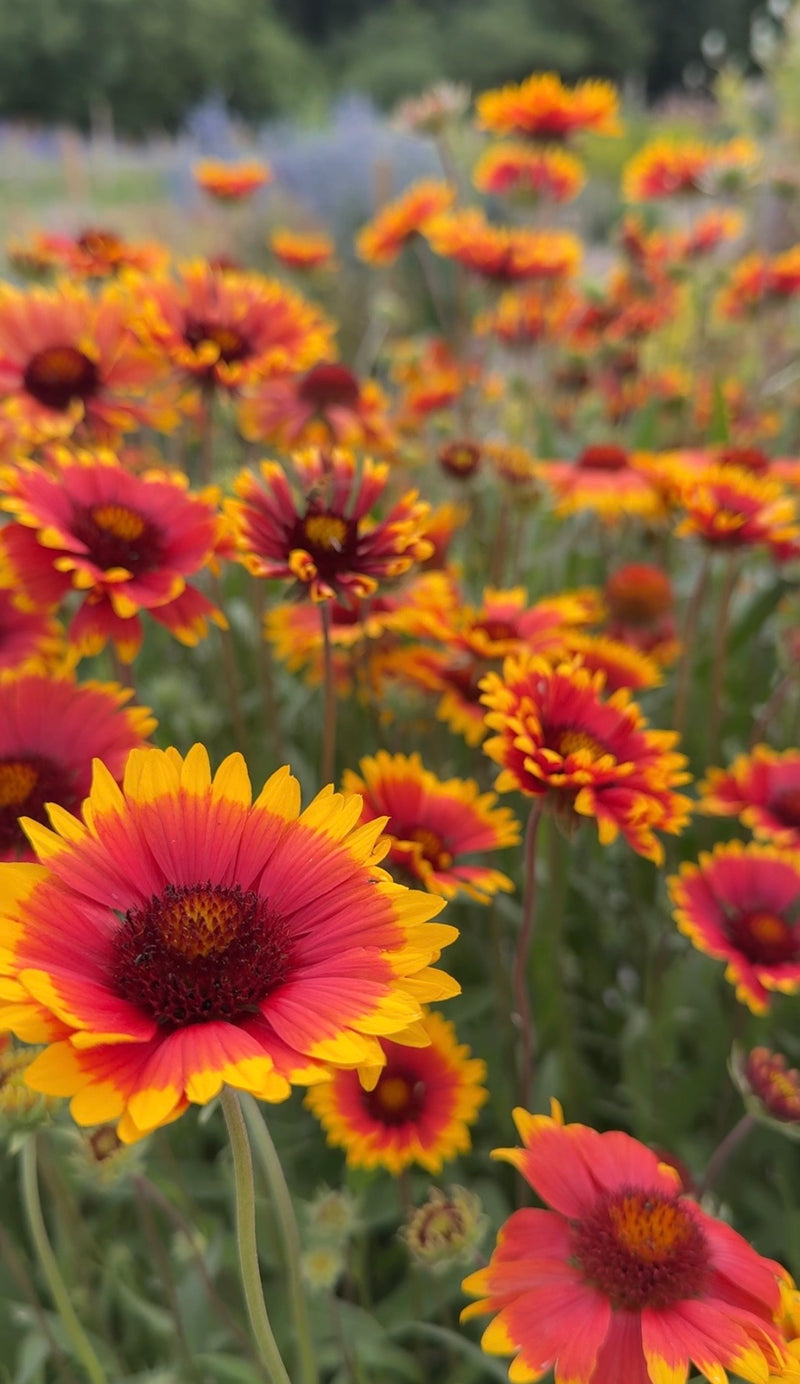
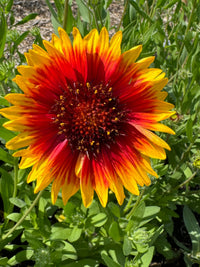
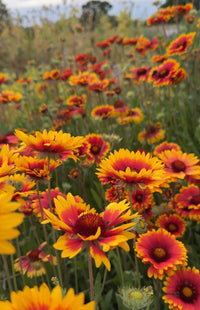
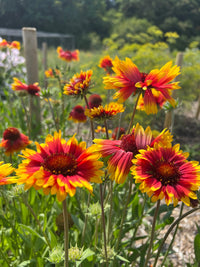
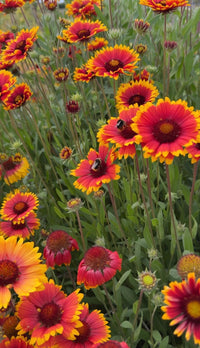
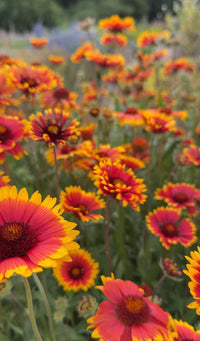
Hot red flame petals etched with golden-yellow tips on compact 30-40cm plants — the cheerful prairie Blanket Flower that delivers warm sunset colour all summer.
About this variety
Gaillardia aristata 'Bicolour Goblin' Dwarf Blanket Flower 'Bicolour Goblin'
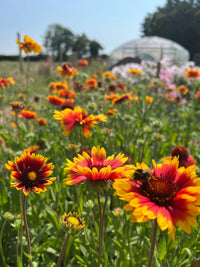
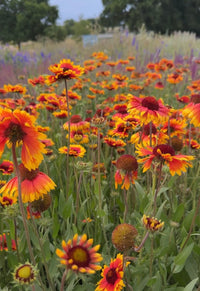
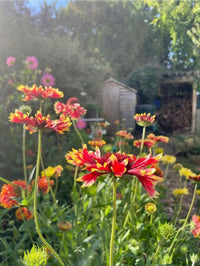
Hot red flame-coloured petals etched with contrasting golden-yellow tips on compact dwarf 25–30cm plants — Gaillardia 'Bicolour Goblin' is the fabulously cheerful prairie wildflower that brings warm sunset colour to the front of borders, performs through drought, and delivers months of bee-friendly flowering from a tough hardy short-lived perennial.
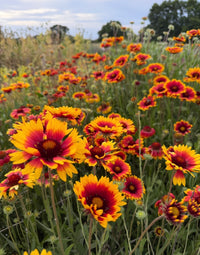
There is genuinely something joyful about Gaillardia 'Bicolour Goblin'. The large daisy-like flowers (5–7cm across) are spectacular bicolour — deep flame-red at the petal bases blending out through orange to bright golden-yellow tips, with a dark central disc that anchors the whole bullseye composition. Each flower looks like a small sunset captured in petals. The compact dwarf habit (25–30cm) makes it ideal for the front of borders, in containers, and in any sunny position where height isn't wanted. Native to the North American prairies, Gaillardia is genuinely tough — hardy short-lived perennial, drought-tolerant once established, undemanding of soil quality. RHS Plants for Pollinators recognised. Flowers from early summer through to the first autumn frosts. Self-seeds politely.
A note on growing
Gaillardia is easy and fast from seed. Sow indoors February–April at 18–20°C, or direct sow outdoors from May once soil has warmed. Surface-sow as Gaillardia seeds prefer light to germinate — cover with only a very fine sprinkling of vermiculite. Germination 7–14 days. Plant out after frost risk in full sun and well-drained soil. Gaillardia genuinely prefers lean dry conditions — rich moist soil produces lush foliage with fewer flowers, and waterlogged winter ground often kills the plants. Sandy or gravelly soils are ideal.
As a short-lived perennial, individual plants typically live 2–3 years before declining. Allow some seed heads to ripen for self-seeding (or sow fresh seed every 1–2 years to maintain the colony). Deadhead through the season to extend flowering.
Where it shines
At the front of cottage borders, where the compact dwarf habit and warm fiery colour create proper sunset character. In gravel gardens and Mediterranean-style plantings, where the drought-tolerance suits the conditions. In prairie-style schemes for additional warm-tone reinforcement. In containers and patio pots for reliable summer colour. As a cut flower for warm-tone bouquets. In wildlife gardens, where the open accessible flowers attract butterflies, bees and beneficial hoverflies in numbers.
Plant alongside
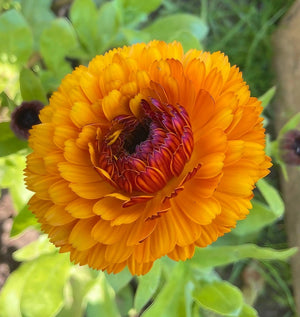
For a hot prairie cottage border, combine 'Bicolour Goblin' with Echinacea purpurea (bigger pink prairie companion), Rudbeckia 'Marmalade' for matching warm tones at slightly greater height, and Foxtail Barley for movement contrast. For a sunset cottage palette, pair with Calendula 'Neon' and Calendula 'Touch of Red'. For container displays, the dwarf habit pairs perfectly with French Marigold 'Spanish Brocade' for a warm hot-tone summer pot.
Plant alongside
Gaillardia Aristata Bicolour Goblin pairs beautifully with these cottage garden classics



RHS Plants for Pollinators
This plant has been assessed by the Royal Horticultural Society and recommended as especially beneficial to bees, butterflies and other pollinators. Growing plants like this directly supports UK pollinator populations — something close to our hearts at Salle Moor Hall Farm, where we see the difference a cottage garden full of the right plants can make.
Learn more at RHS.org.uk →