


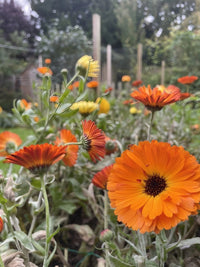
Calendula Art Shades Mixed
Calendula officinalis 'Art Shades Mixed'
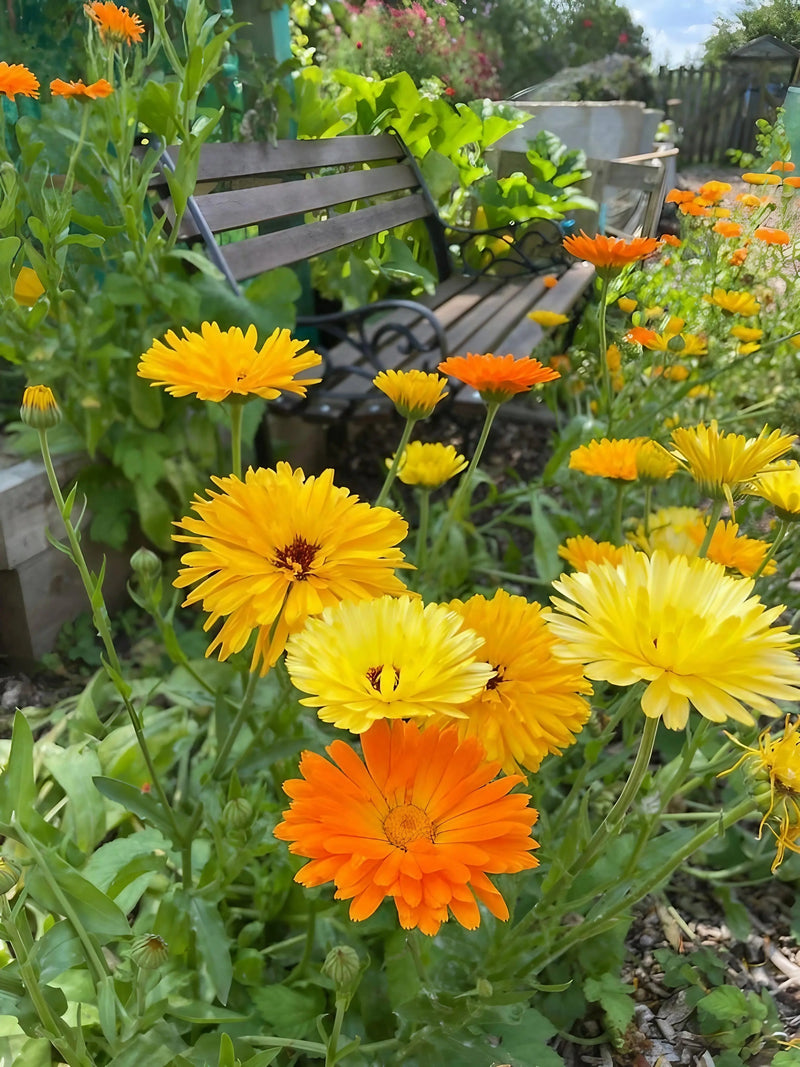
A sunset in your garden — soft apricot, warm cream and peachy gold pot marigolds on bushy 60cm plants. Edible petals, drought-tolerant, reliably generous.
About this variety
Calendula officinalis 'Art Shades Mixed' Pot Marigold 'Art Shades Mixed'
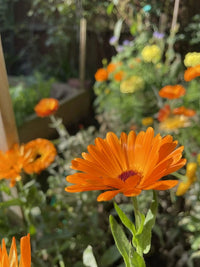
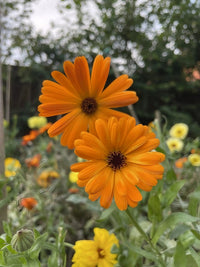
A sunset in your cottage garden — soft apricot, warm cream, peachy gold and pure pale orange in fully double, semi-double and single blooms on bushy 60cm plants that flower from June right through to the first hard frosts.
Most pot marigolds are vivid, almost-fluorescent orange — proper carnival colour. 'Art Shades Mixed' is something different and considerably more sophisticated: a deliberately soft, painterly palette of apricots, creams, pale peaches and gentle warm tones that suits gardeners who want the reliability and easy-going habit of calendula without the brashness. Bred for the cutting garden as much as the border, the flowers are a mix of fully double, semi-double and single forms (the singles being most useful for pollinators, who can access the central nectar more easily). Hardy annual, edible petals (a classic salad garnish and a traditional ingredient in saffron-coloured rice), drought-tolerant, self-seeds politely. RHS Plants for Pollinators recognised. One of the easiest, most generous and most useful flowers a beginner can grow.
A note on growing
Genuinely easy. Sow direct outdoors from March to May, or in September for autumn-sown plants that overwinter and flower earlier the following year. Sow at 1cm depth in well-drained soil; thin to 30cm spacing. Calendula is happy in average-to-poor soil — do not enrich. Full sun. Germination takes 10–14 days. Deadhead regularly to extend the flowering season; without deadheading, the plant sets seed and stops blooming. Self-sown seedlings will appear in following years and often produce surprising new colours as varieties cross.
Where it shines
In the cutting garden, where the soft sunset palette suits both romantic summer bouquets and warm-toned autumn arrangements. In the kitchen garden as a companion plant — calendula attracts hoverflies and other beneficial insects that prey on aphids. In the cottage border for reliable, generous, long-flowering colour. The petals are edible and brighten salads, rice dishes and butters; the plant is also the source of traditional skin-soothing calendula oil.
Plant alongside
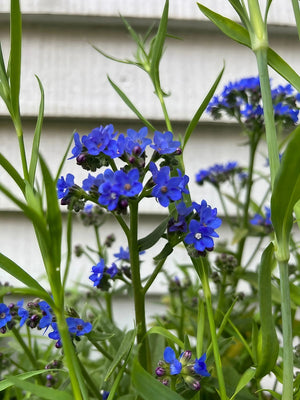
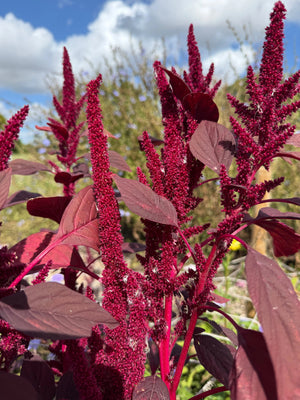
For a sunset cutting scheme, combine Calendula 'Art Shades' with the deep crimson tassels of Amaranthus 'Love-Lies-Bleeding' and the smoky purple foliage of Bronze Fennel. For cottage-classic colour contrast, pair with the deep blue of Anchusa 'Blue Angel' for proper complementary impact. In the kitchen garden, plant among tomatoes and beans where the bright flowers attract pollinators and beneficial predators.
Plant alongside
Calendula Art Shades Mixed pairs beautifully with these cottage garden classics


RHS Plants for Pollinators
This plant has been assessed by the Royal Horticultural Society and recommended as especially beneficial to bees, butterflies and other pollinators. Growing plants like this directly supports UK pollinator populations — something close to our hearts at Salle Moor Hall Farm, where we see the difference a cottage garden full of the right plants can make.
Learn more at RHS.org.uk →