

Bishy Barnabee’s Cottage Garden
Sow in February
The first proper sowing month — indoors and under cover

Chilli
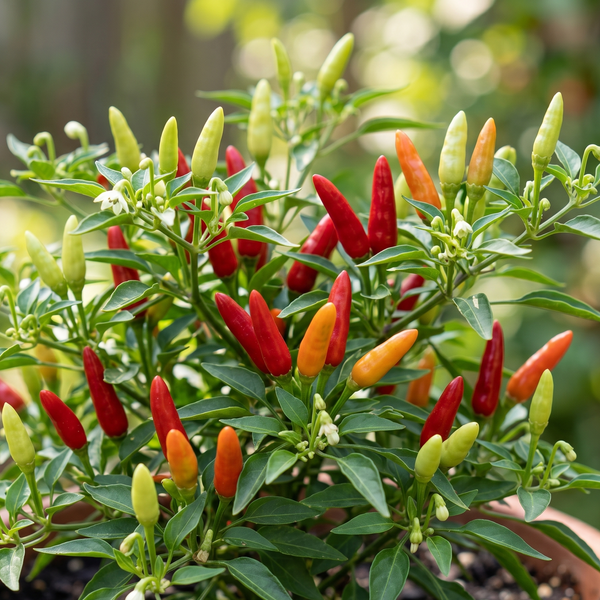
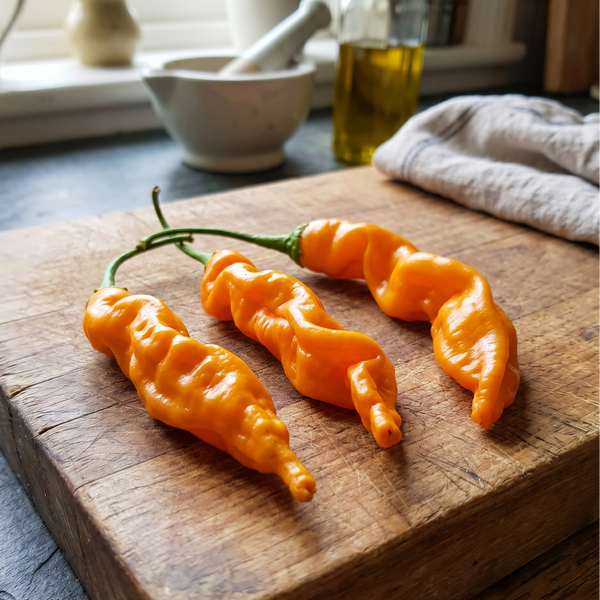
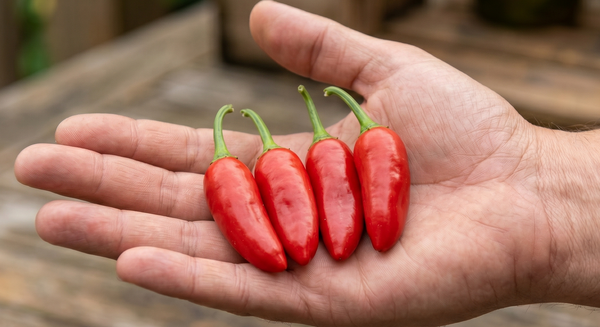
African Birds Eye Chilli
Capsicum frutescens 'African Bird's Eye' The piri piri…
Sow: Jan–Mar
£2.49
View
Chilli
Aji Largo Rocoto Chilli
Capsicum pubescens 'Aji Largo' A true rocoto —…
Sow: Jan–Feb · Dec
£2.99
View
Chilli
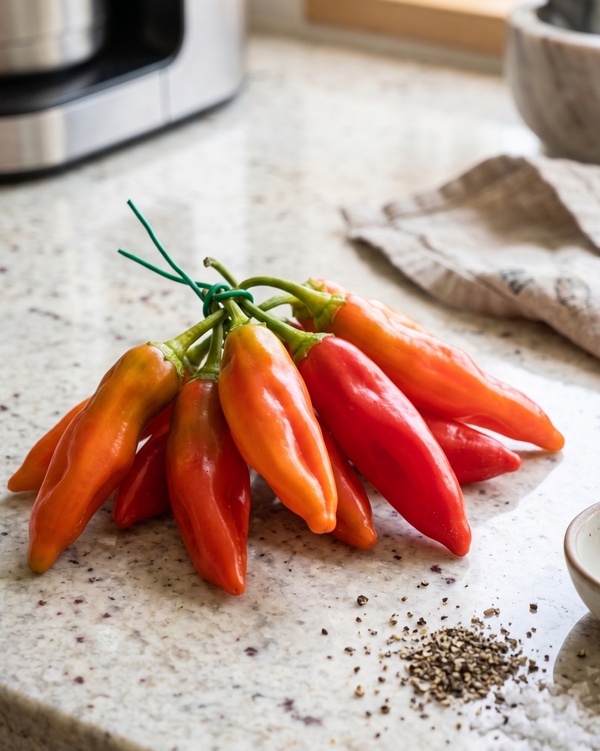
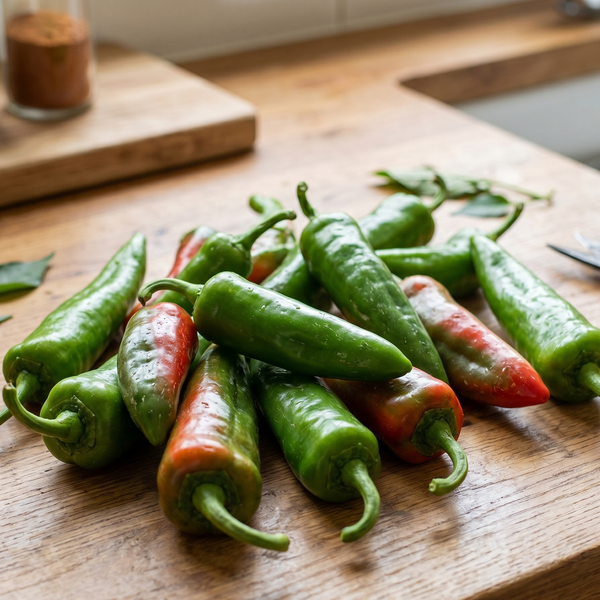
Aji Norteno Chilli
Capsicum baccatum 'Aji Norteño' The "Northern Aji" with…
Sow: Jan–Mar
£2.49
View
Sowing in February — your questions answered
What can I sow in February?
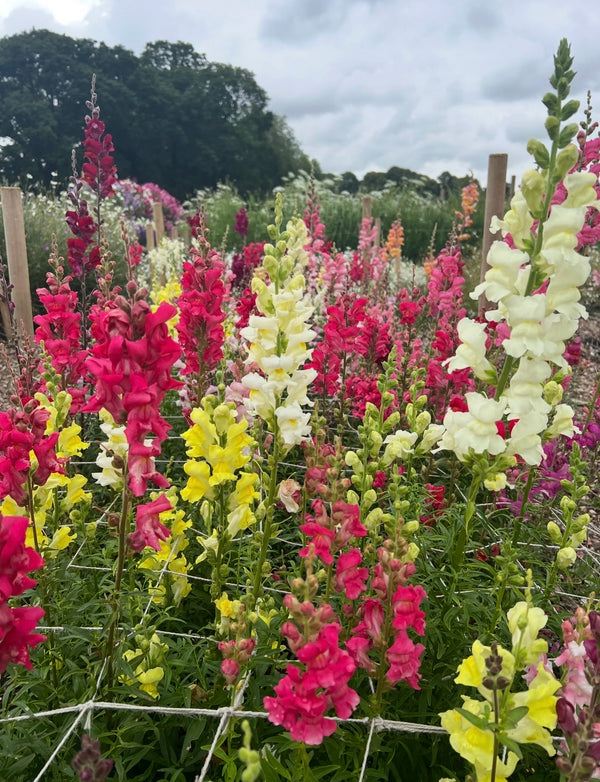
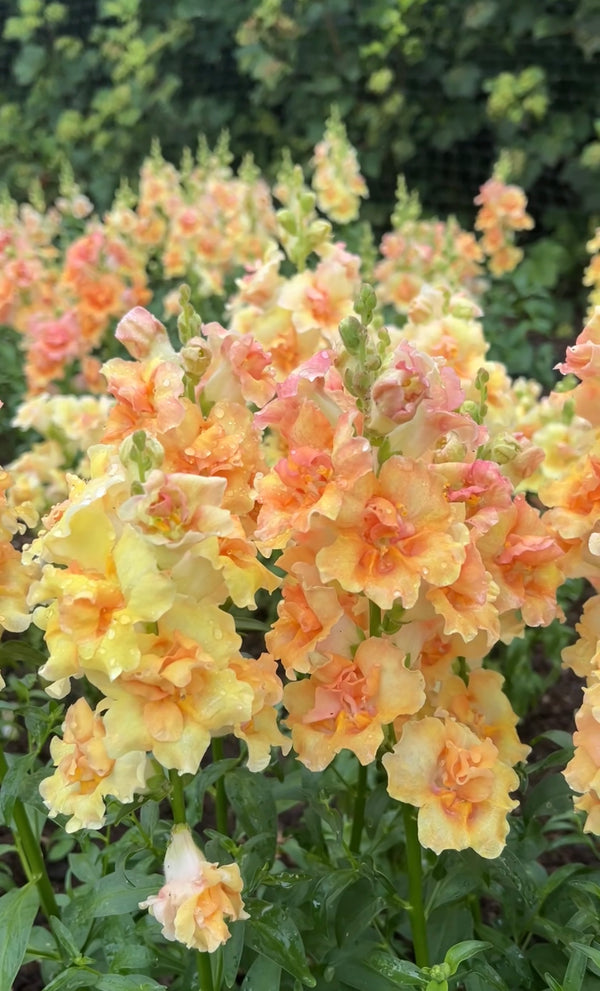
Indoors on a sunny windowsill or in a heated propagator: chillies, peppers, aubergines, tomatoes, sweet peas, and antirrhinums. Under cover in a cold frame or unheated greenhouse: broad beans, peas, lettuce, hardy annuals like ammi and orlaya. Outdoors only in mild areas with prepared soil: broad beans, parsnips, and the very first early peas towards the end of the month.
Is it too early to sow direct outdoors?
In most of the UK, yes. The soil is still too cold and wet for reliable germination, and seeds sown directly will sit and rot rather than sprout. Wait until the soil crumbles between your fingers without sticking together in a wet lump — usually mid to late March. If you cover the soil with cloches or fleece for a fortnight beforehand, you can sometimes get away with a late-February sowing in milder areas.
When should I start tomatoes and chillies?
Chillies and peppers benefit from a January or early February sowing because they need the longest growing season. Tomatoes are best sown mid to late February if you want fruit by July, or early March for a slightly later start. Use a heated propagator or warm spot indoors at around 18–21°C. Without that warmth, wait until late March or early April.
Why are my February-sown seeds not germinating?
Usually one of three things: soil too cold (the most common cause — check with a soil thermometer if you have one), soil too wet (waterlogged seeds rot rather than sprout), or seeds buried too deep (a covering of two to three times the seed's diameter is plenty). Patience also helps; some February sowings simply take longer to emerge than the same seed would in May.