Sow in January
Planning, indoor sowing, and the first chillies of the year

Planning, indoor sowing, and the first chillies of the year
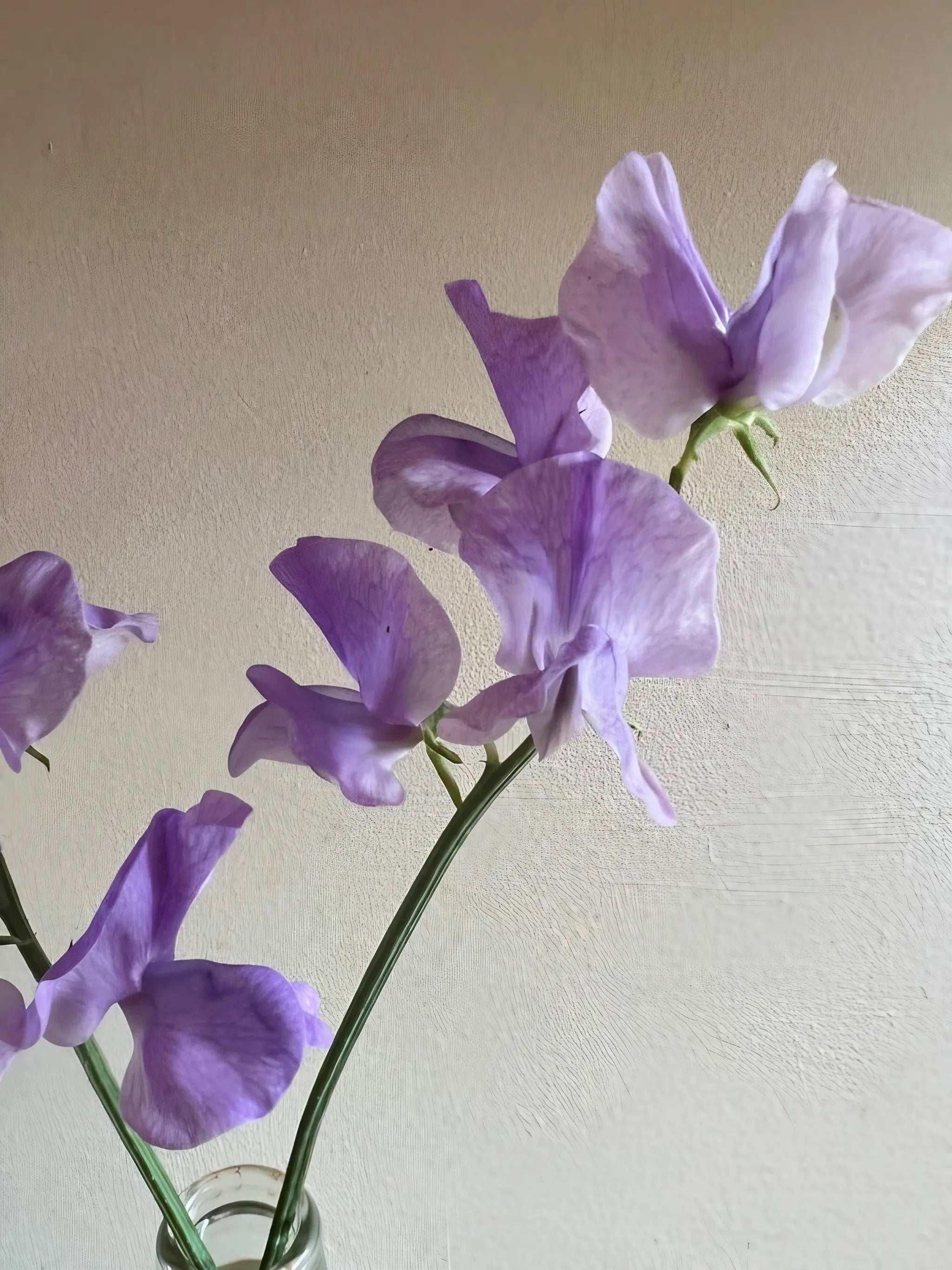
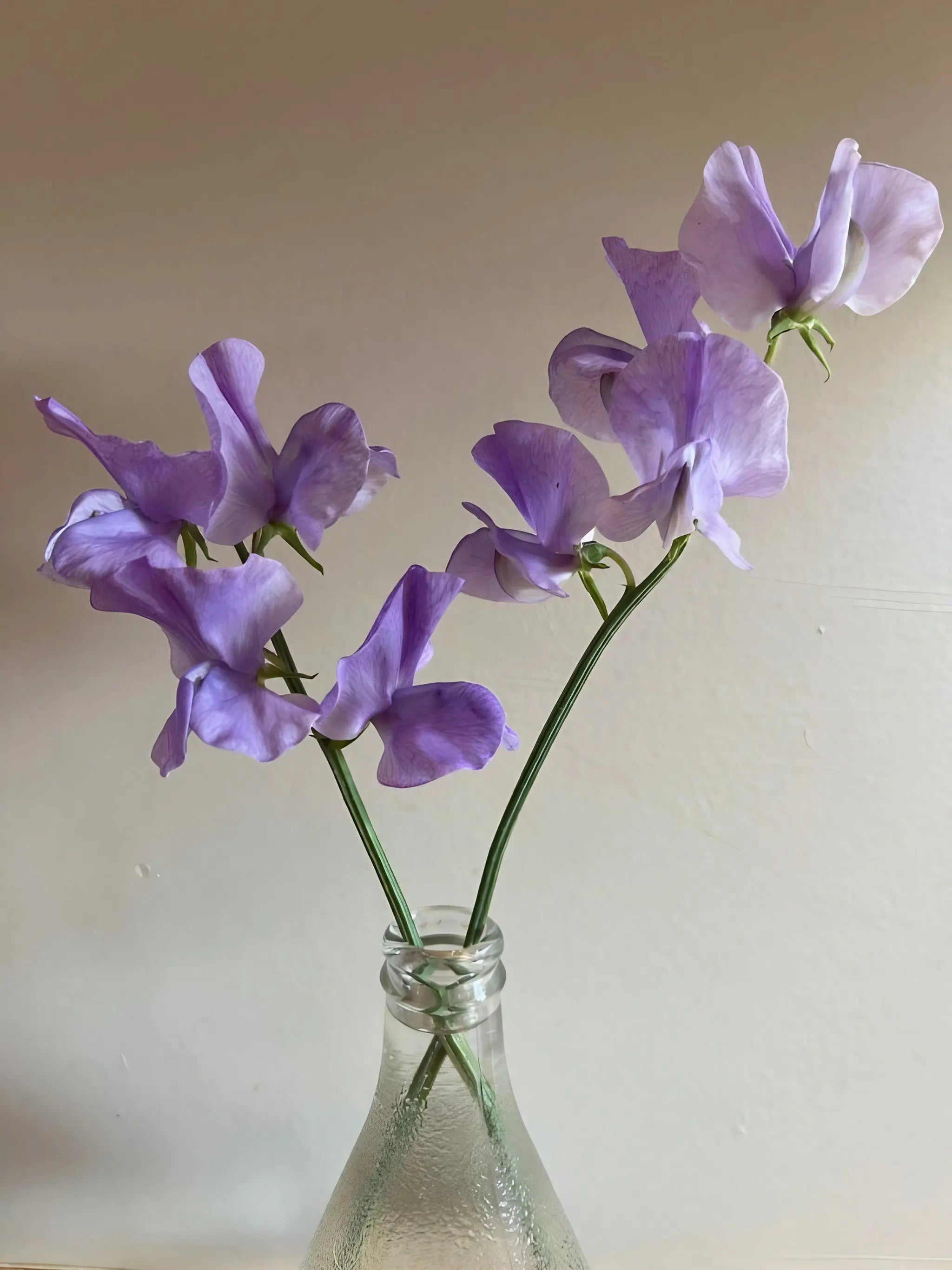
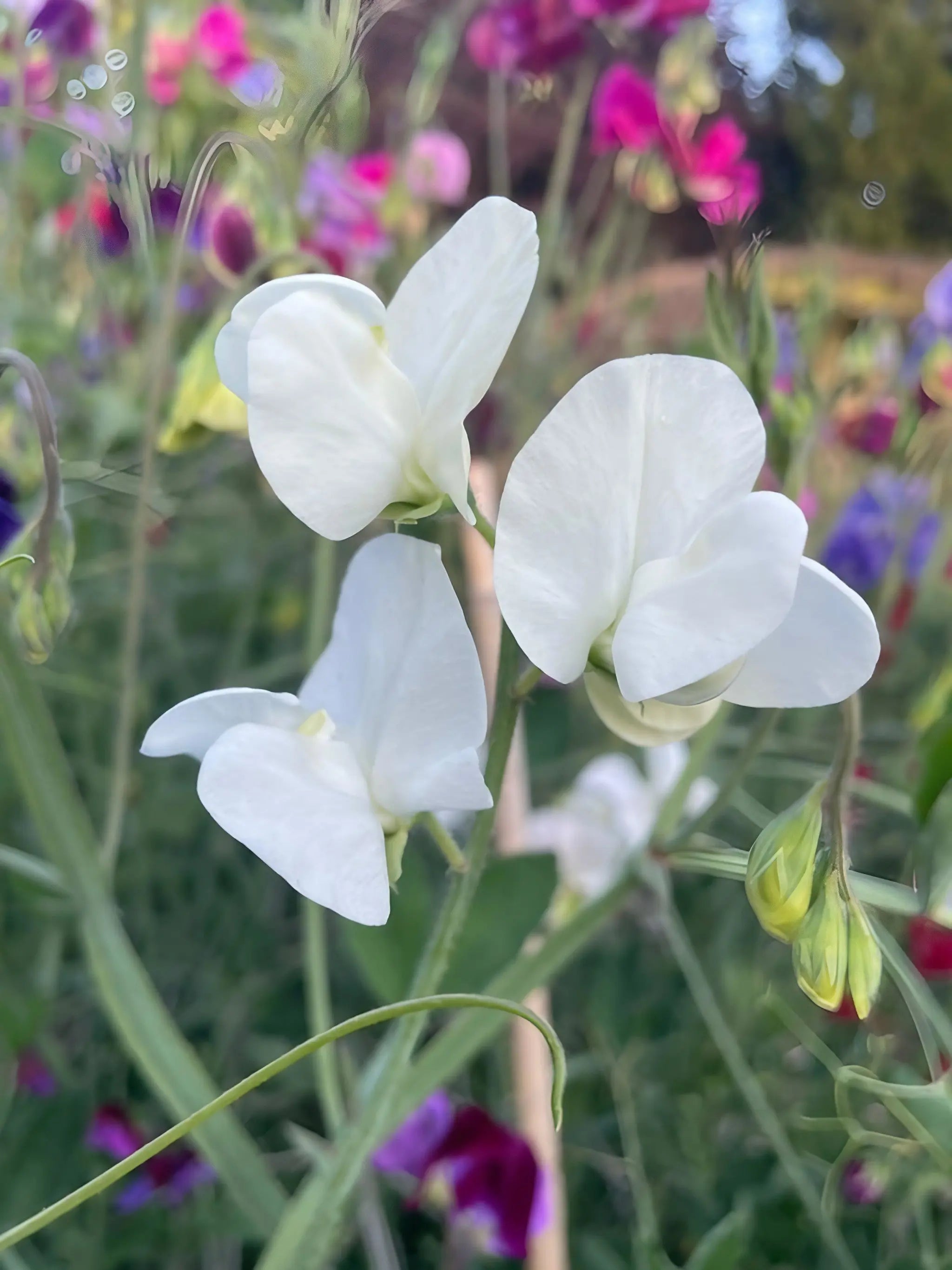
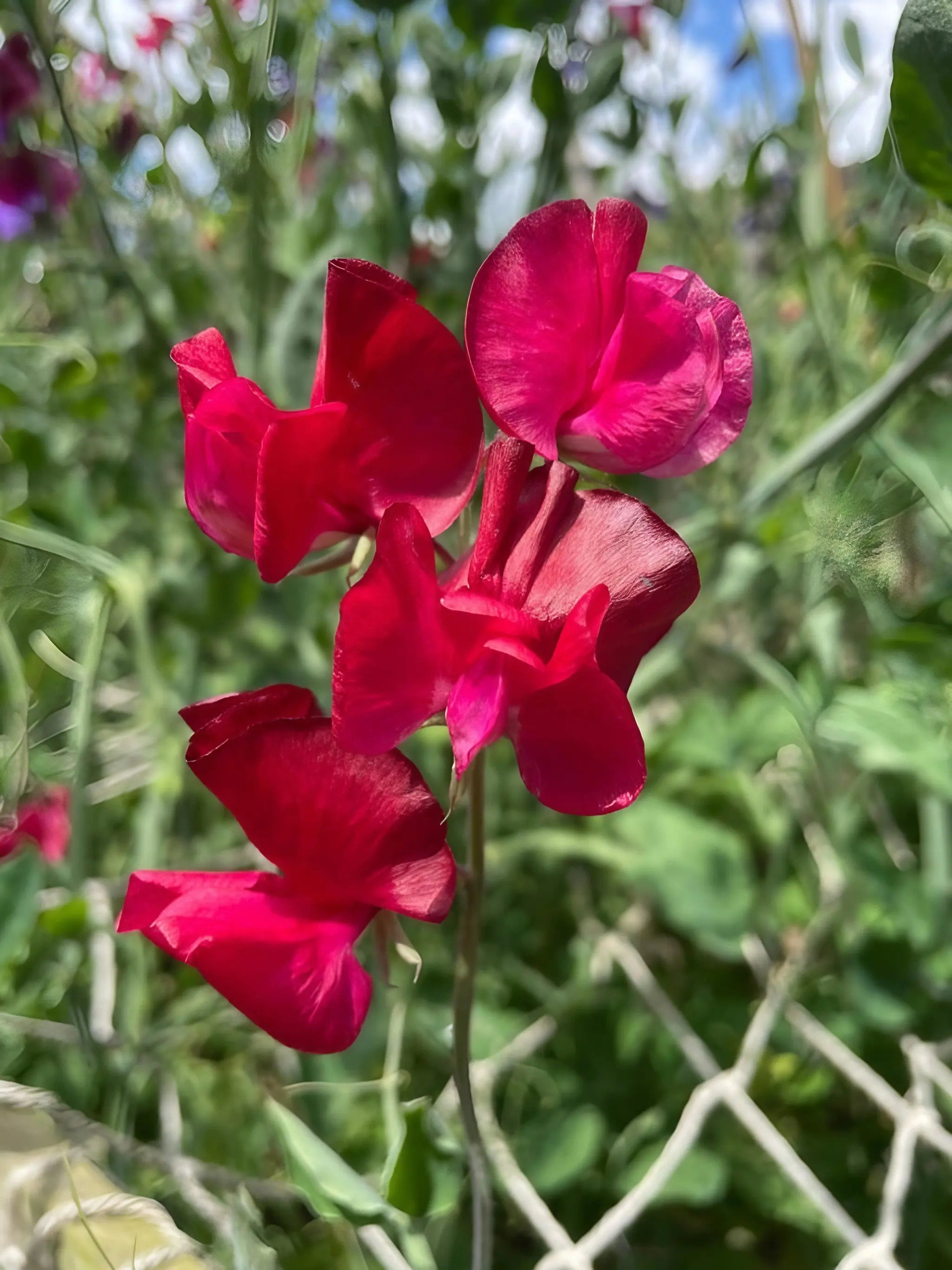
January is the quietest sowing month of the year, but not entirely empty. Long-season crops that need maximum growing time — chillies, peppers, and aubergines — can be started indoors on a heated propagator. Sweet peas autumn-sown in October can still be sown this month if you missed them then. Otherwise, January is mostly about planning, ordering seeds, and getting ready for the busier months ahead.
For chillies, peppers, and aubergines, yes — they need consistent soil temperatures around 21–26°C to germinate reliably. A heated propagator or a warm airing cupboard with the lid on works well. Without that warmth, January sowings tend to sit and rot rather than sprout. Without a propagator, save the chillies until February or March on a windowsill.
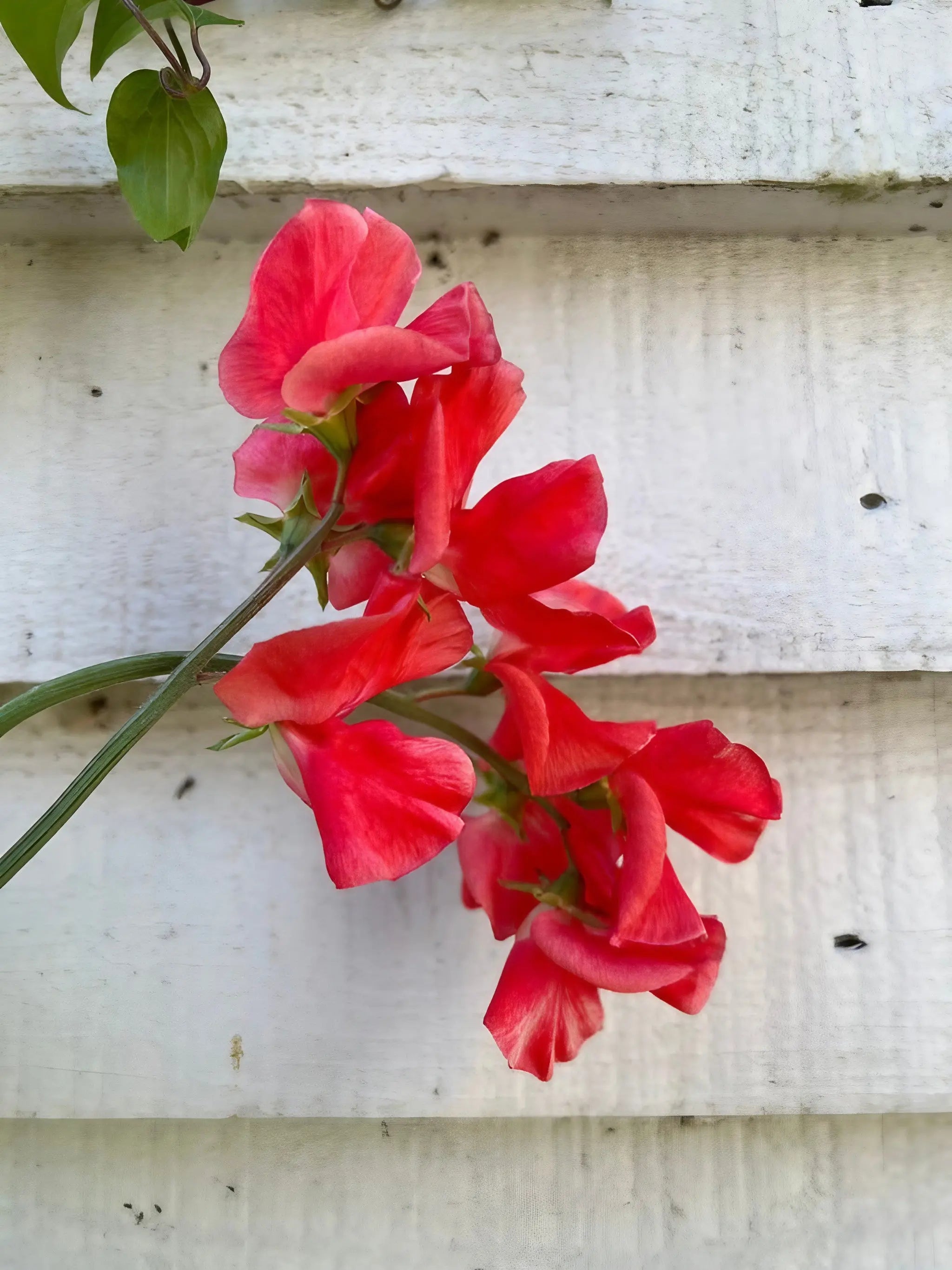
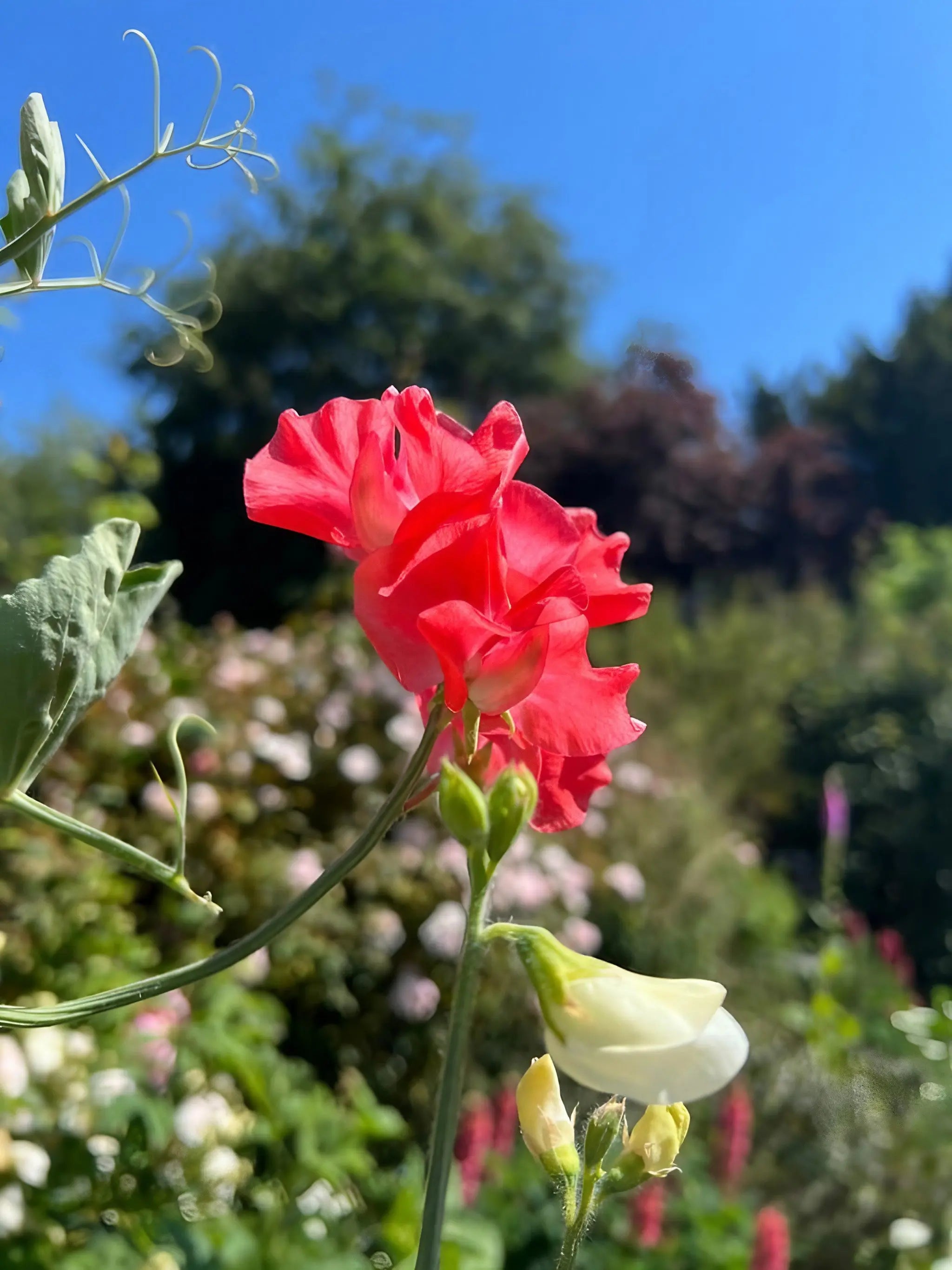
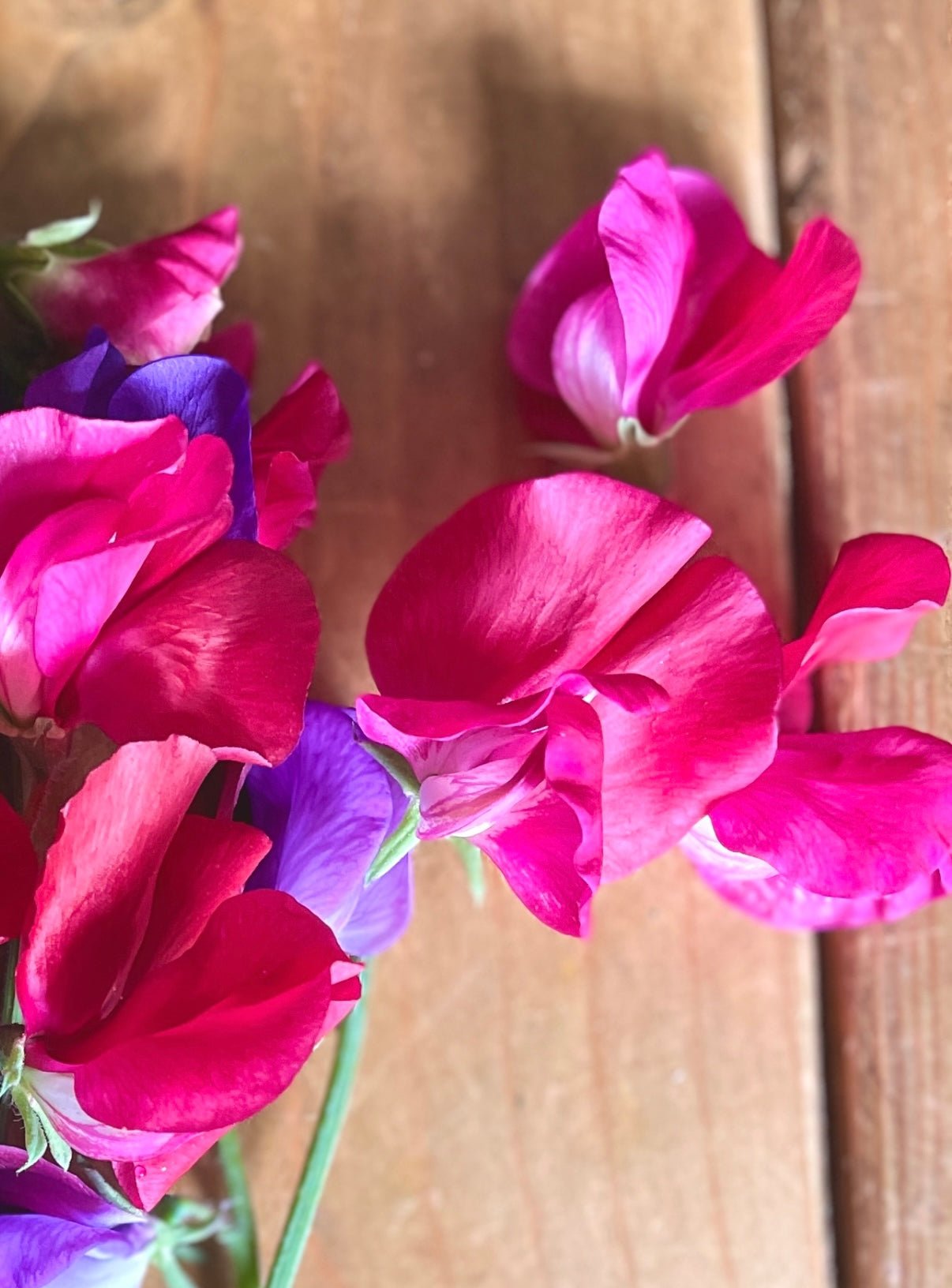
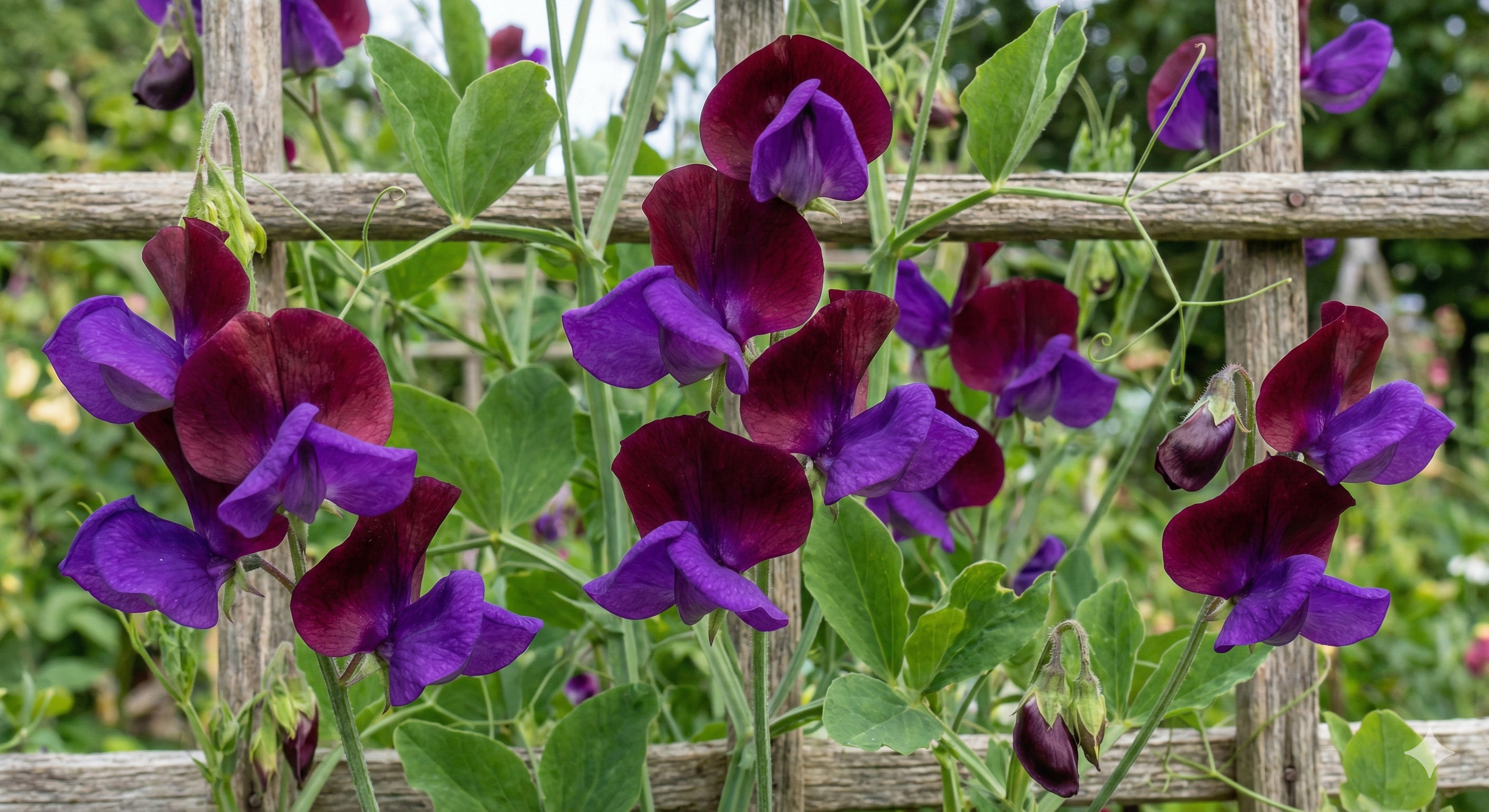
If you missed the September–October autumn-sow window, you can still start hardy annuals like cornflowers, larkspur, and ammi in modules in January under cover. They will catch up by spring and outperform anything sown in March. Sweet peas in particular do well from a January module sowing if you have somewhere frost-free to keep them.
Plan your beds, order seeds while stocks are full, clean and disinfect last year's pots and modules, sharpen tools, and start chitting potatoes towards the end of the month. If conditions allow, you can dig in compost on heavier soils, lay cardboard to suppress weeds, and prune dormant fruit trees and bushes. January is the gardener's planning month.