

Bishy Barnabee’s Cottage Garden
Perennial Flower Seeds
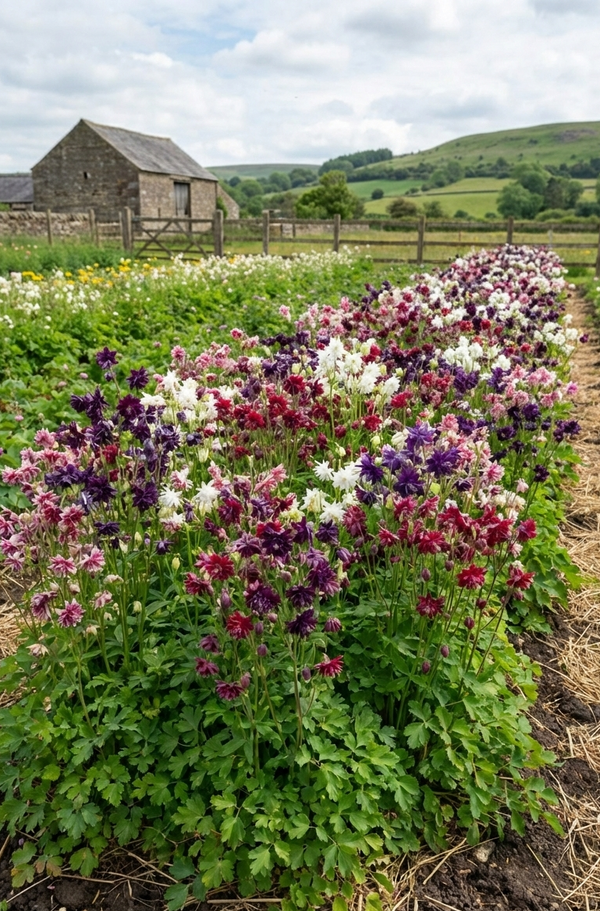
The returning backbone of the cottage garden border
 New
New
Perennial
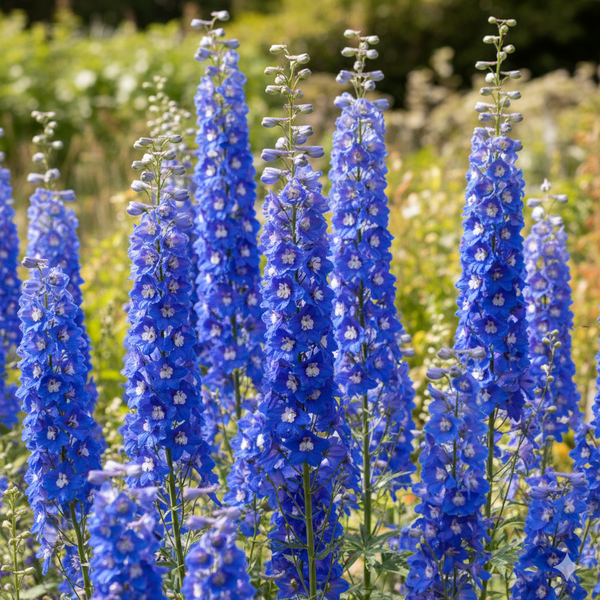
Delphinium Pacific Giant Summer Skies
Delphinium elatum 'Pacific Giant Summer Skies' Tall Delphinium…
Sow: Jan–Mar · Sep
£3.40
View
Growing perennial flowers — your questions answered
What is a perennial?
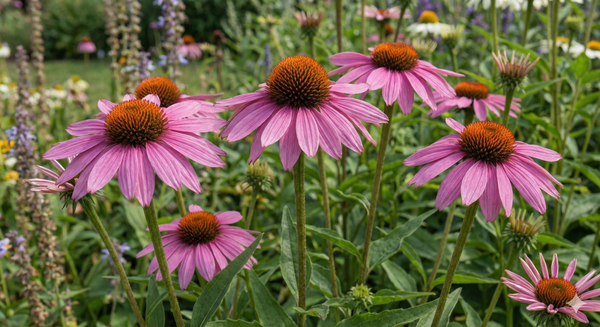
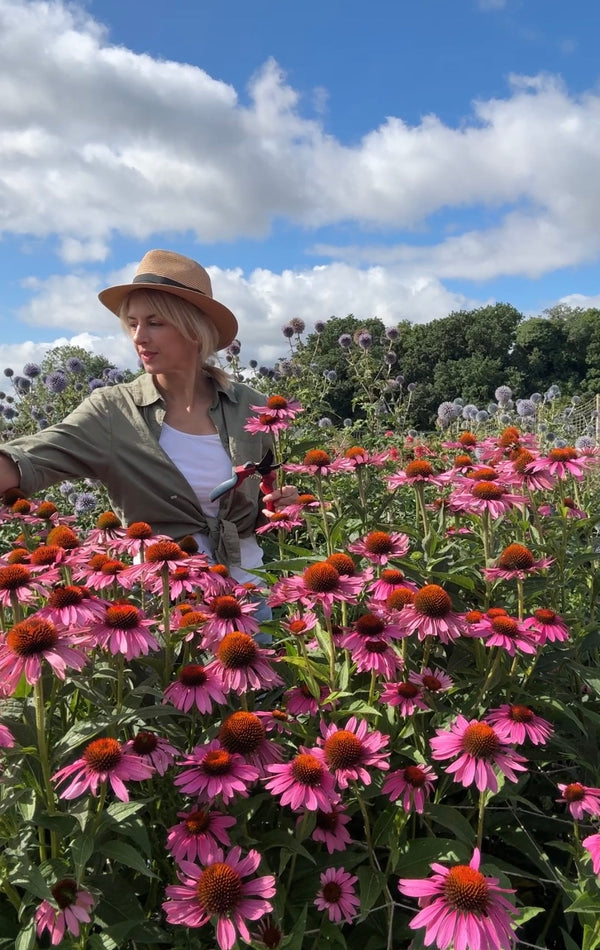
A perennial is a plant that lives for several years, returning each spring from its established root system. Unlike annuals (one year) or biennials (two years), perennials reward patience — they may take a season or two to reach their full size, but they then perform reliably for many years, often forming the backbone of a cottage garden border.
When should I sow perennial seeds?
Most perennials are best sown from late winter through to early summer (February to June). Sown under cover or in modules, they germinate readily in spring warmth, develop a strong young plant through summer, and are ready to plant out into their final positions by late summer or autumn. Some species benefit from a cold period (stratification) before they will germinate — the packet will say.
How long until perennials flower from seed?
Most perennials flower in their second year from seed — they spend their first season building roots and foliage. A few faster types like rudbeckia, gaillardia, and some salvias will flower in their first year if sown early enough. Patience is rewarded with longer-lived, more productive plants than nursery-bought.
Will perennials come back every year?
Yes, given the right conditions. Most hardy perennials reliably return in spring and grow larger each year, eventually forming a clump that can be divided to make new plants. Some short-lived perennials (lupins, gaura, achillea) last around three to five years before needing replacement; long-lived ones (peonies, hellebores) can outlast the gardener.