Common Thyme Seeds
You simply cannot cook a classic roast dinner, a hearty stew, or a bouquet garni without Common Thyme. It is a low-growing, woody sub-shrub that produces tiny, aromatic, dark green leaves packed with earthy, minty, and slightly lemony oils.
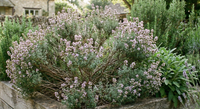
While there are many fancy varieties of thyme, Thymus vulgaris is the robust, hardy workhorse selected for the best flavour. In summer, it covers itself in tiny, pale pink/lilac flowers that are so rich in nectar they are often vibrating with bees. It thrives in hot, dry spots where other plants scorch, making it perfect for paving crevices and terracotta pots.
Read More
🌿 Understanding the Plant
Thymus vulgaris is a Hardy Perennial (H5). Native to the sun-drenched hillsides of the Mediterranean, it is a tough sun-worshipper built to handle drought and poor soil with ease.
While it can withstand severe UK winters, its biggest enemy is "winter wet." Because it evolved in rocky terrains, it detests sitting in waterlogged soil. In the UK, it remains evergreen throughout mild winters, providing a year-round source of aromatic culinary foliage.
Wildlife Champion: Thyme is a verified bee magnet. Its tiny flowers are exceptionally rich in nectar, making it a vital food source for honeybees and solitary bees during the peak of summer. It is a proud member of the RHS Plants for Pollinators list.
🌱 Growing Guide
Thyme is easy to establish from seed, though the seeds are tiny and require specific handling to wake up.
How to Sow:
Sow indoors from February to April. The seeds are tiny dust-like specks—scatter them on the surface of moist, free-draining seed compost and do not cover them; they need light to trigger germination. Maintain a temperature of 18-20°C and they should sprout in 14-28 days.
Where to Plant:
Plant out in late May or June once the risk of frost has passed. Thyme absolutely demands full sun and sharp drainage. If you have heavy clay soil, grow it in terracotta pots with plenty of grit, or on a raised rockery where gravity can help shed excess winter water.
Ongoing Care:
Thyme thrives on neglect and actually produces more aromatic oils when grown "hard" without rich fertilisers. After flowering in late summer, trim the plant back lightly with shears to prevent it from becoming "leggy" or woody. Always cut into the green growth and avoid the old, brown woody stems.
📋 Plant Specifications
| Botanical Name | Thymus vulgaris |
| Common Name | Common Thyme / English Thyme / Garden Thyme |
| Plant Type | Hardy Herbaceous Perennial Sub-shrub |
| Hardiness | H5 (Hardy across the UK) |
| Light Requirements | Full Sun ☀️ |
| Height | 20cm - 30cm |
| Spread | 30cm |
| Spacing | Plant 25cm apart |
| Flowering Period | June to August |
| Perfect For | 🍖 Roast Dinners & Stews 🐝 Bee Magnet 🪨 Rockeries & Paths 🏺 Terracotta Pots |
| Seeds per Packet | Approximately 500 seeds |
🤝 Beautiful Garden Combinations
Thyme is a classic Mediterranean team-player. Pair it with these sun-lovers from our collection :
- 🍕 Oregano 'Greek': The "Pizza Patch." These two share the same intense love for hot sun and sharp drainage. Their contrasting habits—one spreading, one bushy—knit together into a fragrant, functional herb mat.
- 🌿 Common Sage: The Mediterranean Duo. The broad, pebbly, grey-green leaves of Sage rise behind the fine texture of Thyme to create a sophisticated, evergreen herb corner that stays productive even in winter.
📅 Sowing & Flowering Calendar
Sow indoors in early spring. Harvest leaves year-round once established.
| Month | J | F | M | A | M | J | J | A | S | O | N | D |
|---|---|---|---|---|---|---|---|---|---|---|---|---|
| Sow Indoors | ✓ | ✓ | ✓ | |||||||||
| Plant Out | ✓ | ✓ | ||||||||||
| Flowering | ✓ | ✓ | ✓ |
🍵 Edible & Herbal
Thyme is a nutritional powerhouse, packed with minerals and thymol, an essential oil with potent antiseptic properties. Steep fresh sprigs in hot water for a soothing tea, or use the leaves to add deep, earthy notes to your cooking. The tiny summer flowers are also 100% edible and make a charming, sweet garnish for salads.
🏆 RHS Plants for Pollinators
Common Thyme (*Thymus vulgaris*) is proudly listed on the RHS Plants for Pollinators list. It is one of the most reliable and prolific sources of early-to-mid summer nectar for honeybees and solitary bees in the cottage garden.
📖 Want more detailed growing advice?
View our Complete Growing Guide for Herbs →
- Regular price
-
£2.00 - Regular price
-
- Sale price
-
£2.00
Couldn't load pickup availability


Thyme Common
- Regular price
-
£2.00 - Regular price
-
- Sale price
-
£2.00