Skip to product information
1 of 2

Russian Tarragon Seeds

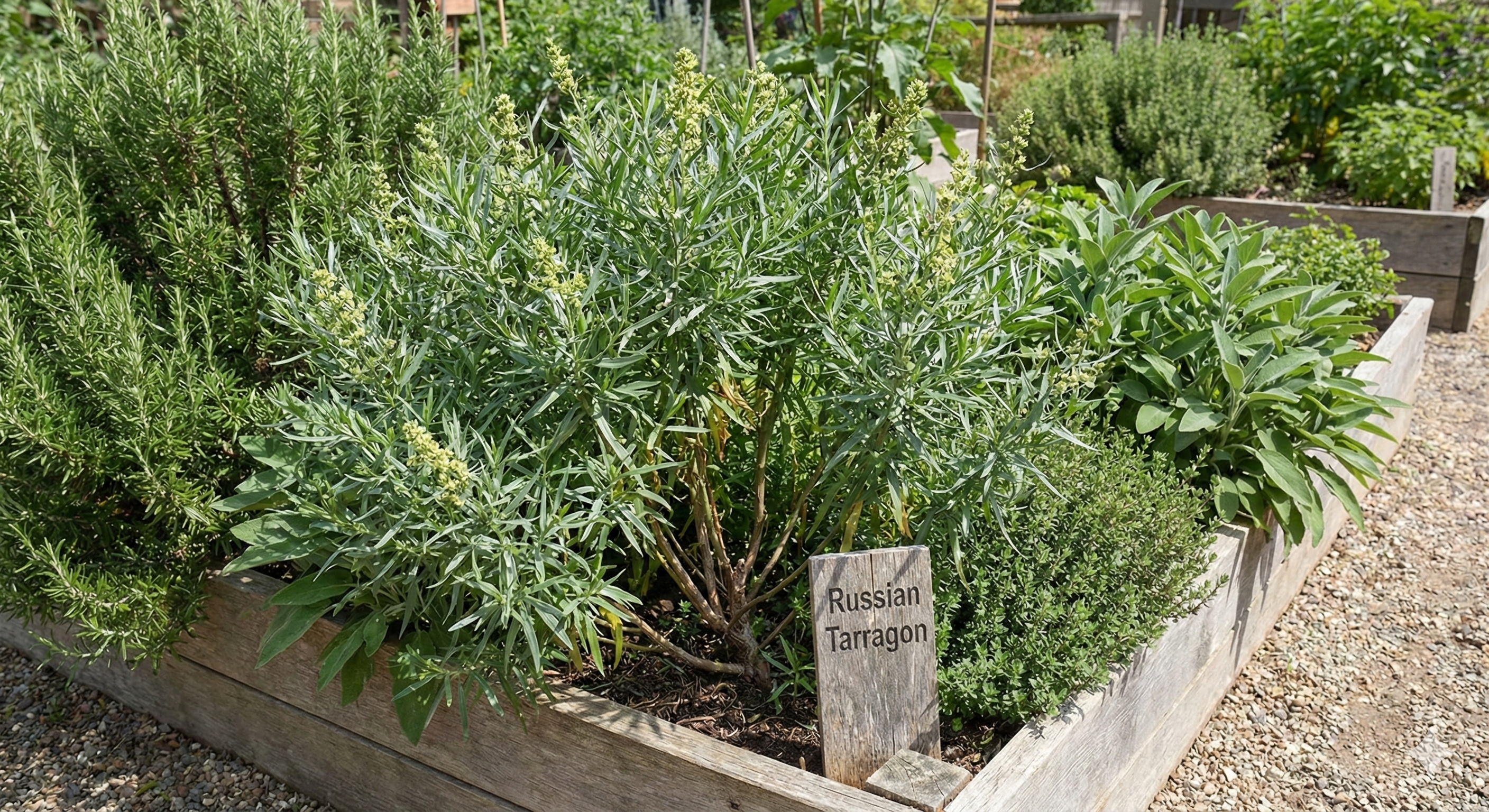
If you have struggled to keep French Tarragon alive through a wet British winter, Russian Tarragon is your answer. While it lacks the intense aniseed punch of its French cousin, it makes up for it with incredible vigour and resilience. It produces an abundance of mild, aromatic leaves that are perfect for adding texture and fresh green flavour to salads, egg dishes, and vinegars.

This is a plant for the practical gardener. It grows tall, bushy, and lush, thriving in poor soils and surviving freezing temperatures that would kill other Mediterranean herbs. It is an excellent "cut-and-come-again" source of greenery that returns faithfully every spring.


Read More

🌿 Understanding the Plant

Artemisia dracunculus (Russian variety) is an exceptionally Hardy Perennial (H7). Native to the vast, cold steppes of Siberia and Central Asia, it is virtually indestructible in the UK climate, surviving temperatures well below -20°C.

French vs. Russian: It is important to know the difference. French Tarragon is sterile (cannot be grown from seed) and often dies in wet UK soil. Russian Tarragon is much taller, more robust, and produces viable seeds. While its aniseed flavour is milder and more "grassy" than the French type, it is far easier to maintain and provides a much more generous harvest.

Growth Habit: This variety grows into a large, shrubby mound of linear mid-green leaves. It spreads via underground rhizomes but is not invasive like mint, making it a reliable and manageable addition to a perennial herb border.

🌱 Growing Guide

Russian Tarragon is robust and thrives on neglect, but it does require light to germinate.

How to Sow:
Sow indoors from March to May. Scatter the seeds on the surface of moist, free-draining seed compost and do not cover them—they need light to wake up. Keep them at a steady 15-20°C and you should see seedlings in 14-21 days. Transplant into the garden in late spring once all risk of frost has passed.

Where to Plant:
Tarragon prefers a spot in full sun but will tolerate partial shade beautifully. It actually performs better in poor, dry soil; in overly rich ground, it can grow too tall and become "floppy."  Ensure drainage is excellent, as while it is cold-hardy, it dislikes sitting in waterlogged soil during winter.

Ongoing Care:
The Mid-Summer Trim: To keep the foliage tender and the flavour fresh, cut the plant back by half in July. This stimulates a fresh flush of soft green leaves for late summer use. In late autumn, cut the entire plant back to 5-10cm above the soil to keep the area tidy over winter.

📋 Plant Specifications
Botanical Name Artemisia dracunculus
Common Name Russian Tarragon / Siberian Tarragon
Plant Type Hardy Herbaceous Perennial
Hardiness H7 (Exceptionally Hardy)
Light Requirements Full Sun / Part Shade ⛅
Height 60cm - 90cm
Spread 45cm - 50cm
Spacing Plant 40cm apart
Flowering Period July to September
Perfect For 🍗 Chicken & Fish Sauces
🏺 Infused Vinegars
🥗 Fresh Green Salads
🧱 Difficult/Dry Sites
Seeds per Packet Approximately 300 seeds
🤝 Beautiful Garden Combinations

Russian Tarragon is big and leafy, so pair it with other robust sun-lovers from our collection :

  • 🍃 Peppermint: The Herb Garden Giants. Both Peppermint and Russian Tarragon are vigorous, leafy spreaders. They can hold their own against each other in a "wild herb" corner where more delicate plants might get smothered.
  • 🌼 Calendula 'Art Shades': The Colour Pop. The soft apricot and vintage orange of this Calendula mix provide a stunning visual contrast against the lush, mid-green foliage of the Tarragon.
📅 Sowing & Flowering Calendar

Sow indoors in spring for fresh, tender leaves from May until the first frosts.

Month J F M A M J J A S O N D
Sow Indoors
Harvest

🍽️ Culinary Resilience
Russian Tarragon is the secret weapon for the self-sufficient kitchen. It is rich in iodine and vitamins A and C, and its mild anise flavour makes it perfect for infusing white wine vinegar to create authentic Tarragon Vinegar. Use the tender spring shoots as an asparagus substitute—a true "forgotten" delicacy!

🏆 Hardy Perennial Performance

Artemisia dracunculus (Russian) is one of the most reliable herbs for the British garden. Its H7 hardiness rating ensures that even in the toughest winters, your Tarragon will return faithfully every spring, providing years of abundant green harvests.

📖 Want more detailed growing advice?
View our Complete Growing Guide for Herbs →

Regular price
£2.00
Regular price
Sale price
£2.00
Tax included. Shipping calculated at checkout.
    Tarragon Russian
    Garden bed with Russian Tarragon plant and a sign indicating the name.