Skip to product information
1 of 1

Nigella 'Persian Jewels' Mixed Seeds

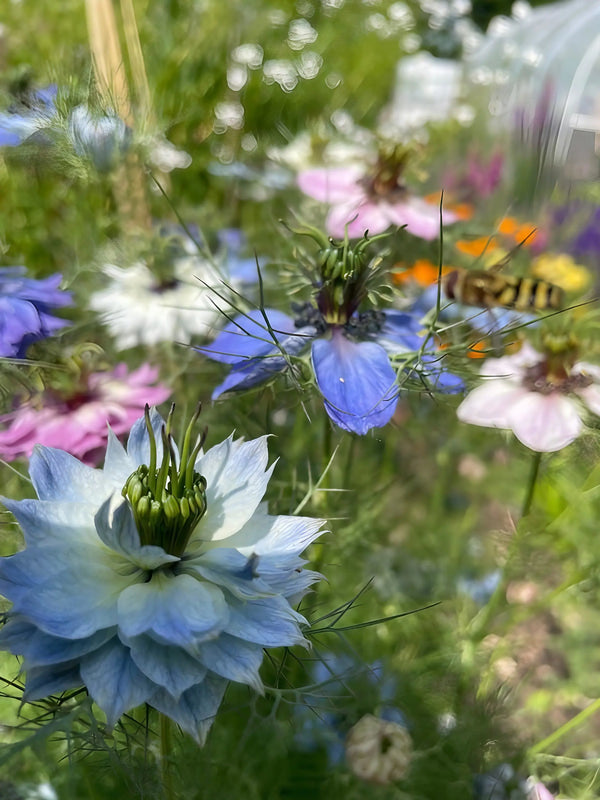
If you've been growing the classic, traditional pale-blue 'Miss Jekyll' Nigella for years and secretly wishing it came in a more exciting, vibrant, jewel-like colour palette, then 'Persian Jewels' is the spectacular upgrade you've been waiting for! This exceptional, outstanding, genuinely superior modern mixture offers the most diverse, dazzling, extraordinarily rich colour range available in damascena-type Nigellas—a true treasure chest, an absolute jewel box of colours that creates genuinely stunning, eye-catching, multi-hued displays that absolutely stop people in their tracks! The stunning mix includes deep rose-pink, intense violet-blue, soft lavender, rich mauve, delicate pale pink, and pure white—every shade working together to create a romantic, sophisticated, utterly cohesive Persian carpet effect of interwoven colours that looks planned, intentional, and elegant rather than chaotic or random!

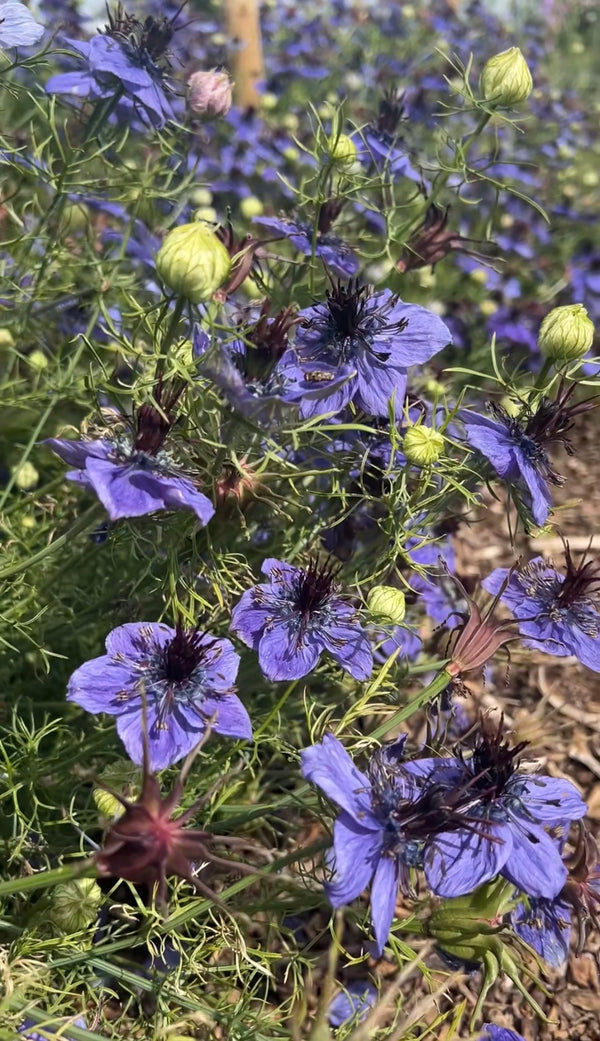
The semi-double flowers (each adorned with multiple layers of delicate, textured petals rather than the simple single blooms of wild types!) reach a generous 4-5cm across and appear to float ethereally within their characteristic "mist" of thread-fine, incredibly feathery, extraordinarily delicate bright green foliage that gives this beloved cottage garden flower its charming common name "Love-in-a-Mist." The stems reach 50-60cm tall, making them absolutely perfect for cutting and creating those dreamy, romantic, nostalgic cottage-garden-style bouquets! What makes 'Persian Jewels' particularly special, genuinely exceptional, truly outstanding amongst Nigella mixtures is the remarkable intensity and depth of its colours—the pinks are richer, more saturated, more vibrant than older pastel varieties; the blues are deeper, more jewel-like, more intense; and the overall effect is dramatically more striking, more "jewel-like" (hence the name!) than traditional pale lavender-blue heirloom strains. Despite this glorious colour diversity and range, all the plants remarkably flower simultaneously at the same time and grow to matching, uniform heights, creating beautifully harmonious, cohesive plantings that look professionally planned and designed rather than accidentally mixed or chaotically scattered! This variety is absolutely perfect for gardeners who want maximum colour impact, drama, and vibrancy whilst still maintaining that classic, timeless, irreplaceable Love-in-a-Mist charm and romantic cottage garden appeal!


Read More

🌿 Understanding the Plant

Nigella damascena 'Persian Jewels' is a Hardy Annual (H6), meaning it completes its entire fascinating life cycle in just one growing season whilst being tough enough to withstand typical British winter conditions including frosts and cold temperatures without any protection whatsoever! This remarkable hardiness is what makes Nigella genuinely valuable for UK gardeners—unlike half-hardy annuals that need careful frost protection, pampering, and gradual hardening off, hardy annuals like Nigella can withstand British winter conditions cheerfully as young seedlings, building robust, deep, extensive root systems through cold months that support absolutely spectacular growth and flowering come spring!

Nigella belongs to the Ranunculaceae family (buttercups), a family celebrated for producing some of our most beloved garden flowers. The name "damascena" refers to Damascus, Syria, where these beautiful flowers have been cultivated in gardens for literally centuries!

The "Love-in-a-Mist" Phenomenon: The utterly enchanting, deeply romantic common name "Love-in-a-Mist" refers to the extraordinarily delicate, incredibly fine, thread-like ferny foliage that creates a soft, hazy, ethereal green "mist" or "veil" surrounding each flower. When you look at a Nigella bloom from a distance, it genuinely appears to be floating mysteriously within a cloud of green mist—absolutely magical and genuinely unique amongst garden flowers! This effect is created by the collar of feathery bracts (modified leaves) that surround each bloom, making every single flower look like it's nestled in delicate green lace!

The Glorious Double Act - Flowers AND Seed Pods: What genuinely sets Nigella apart from most annual flowers is its spectacular dual display, its generous "two-for-one" performance! Act One - The Flowers (June-July): Delicate, semi-double blooms in that spectacular Persian jewel box of deep rose-pink, violet-blue, lavender, mauve, soft pink, and white emerge dramatically from their collar of feathery green bracts. The flowers are intricate, complex, absolutely stunning up close, and create gorgeous drifts of colour from a distance! Act Two - The Seed Pods (July-October): After petals drop, the real architectural drama begins! The flowers transform into absolutely magnificent, highly decorative, beautifully sculptural inflated seed pods—looking remarkably like tiny striped hot air balloons or Victorian lampshades! These balloon-like pods are gorgeously patterned with burgundy and green stripes, creating stunning visual interest even after flowering finishes. The pods stand tall and proud in borders well into autumn, providing continuous ornamental value, and they dry absolutely beautifully for winter arrangements, wreaths, and decorations—they're genuinely amongst the most prized dried flowers in floristry!

The Legendary "Generous Guest" Self-Seeding Strategy: Nigella is absolutely famous, celebrated, genuinely renowned as one of the most generous, reliable, prolific self-seeders in the entire garden! If you allow those stunning architectural seed pods to fully mature and ripen naturally on the plant rather than cutting them all for drying, they'll eventually develop small openings at the top. When autumn winds shake the dried stems, literally thousands of tiny black seeds (each pod contains hundreds!) will scatter themselves across your garden beds like nature's own precision seed drill! This means that after your initial planting, you'll very likely discover delightful "free" volunteer Nigella seedlings popping up in the same spot (and often wandering to new spots!) every single spring for years to come without any additional effort or expense! It's genuinely one of nature's most generous gifts to gardeners—you buy seeds once and potentially enjoy these spectacular flowers with their dual flower-and-seed-pod performance forever, creating self-sustaining colonies that return reliably year after year!

🌱 Growing Guide

Nigella genuinely ranks amongst the very easiest, most reliable, most foolproof "scatter and grow" seeds you can possibly sow—perfect for complete beginners and impatient gardeners who want quick, dramatic results without fuss or complicated procedures!

How to Sow (Direct Sowing Strongly Preferred):
When to Sow: You have two excellent sowing windows:
Autumn Sowing (September): This is THE optimal, superior, preferred sowing time for genuinely impressive Nigella! Autumn-sown plants establish deep, extensive root systems over winter months, then absolutely rocket into spectacular growth the moment spring arrives. The result? Much bigger, taller, bushier, more floriferous plants that flower several weeks earlier (late May/early June) than spring-sown plants and produce dramatically more flowers per plant! If you want genuinely impressive Nigella that rivals professional displays, autumn sowing is your secret weapon!
Spring Sowing (March-May): Still produces excellent, reliable results, though plants will be slightly smaller and flower 3-4 weeks later (typically July). Perfect if you missed autumn sowing! For extended flowering, try succession sowing—sow small batches every 2-3 weeks from March through May for continuous blooms from June right through August!

Method:
• Choose your final planting location (Nigella genuinely prefers direct sowing and can sulk if transplanted, though it's more tolerant than poppies)
• Prepare soil by raking to a fine, crumbly tilth
• Scatter seeds thinly across prepared surface or in shallow drills
• Cover very lightly with just 3mm (⅛ inch) of fine soil—seeds need slight covering but not deep burial!
• Water gently using fine rose spray to avoid washing seeds into clumps
• Germination is reliable and relatively quick: typically 14-21 days depending on temperature
• Once seedlings emerge with their characteristic fine, ferny foliage, prepare for the most critical task...

CRITICAL - Ruthless Thinning is Essential for Success!
This is genuinely THE single most important step that separates spectacular Nigella displays from disappointing failures! Because Nigella seeds scatter and germinate so prolifically and generously, you'll almost certainly get dozens—possibly even hundreds!—of seedlings emerging in dense carpets. Whilst this initially looks exciting and promising, here's the crucial truth: crowded Nigella seedlings produce weak, spindly, disappointing plants with tiny flowers and minimal seed pods!

If seedlings are left crowded together (even just 10-15cm apart), they compete desperately for light, water, nutrients, and space. The result is weak, leggy, stressed plants that stretch upwards searching for light, produce pathetic small flowers (perhaps only 2-3cm across instead of the spectacular 4-5cm blooms you're hoping for!), and create very few of those prized decorative seed pods. Crowded Nigella also becomes more susceptible to fungal diseases like powdery mildew.

Proper spacing: Thin seedlings when they're about 5cm tall to approximately 15-20cm (6-8 inches) apart for moderate-sized plants, or even 25cm (10 inches) apart if you want genuinely massive, bushy specimens! This generous spacing allows each plant to develop into a substantial, well-branched, multi-stemmed beauty that produces 20-30+ flowers rather than a sad, spindly stick with 3-4 blooms!

How to thin: Either carefully pull out unwanted seedlings (composting them—they're too small to transplant successfully) or snip them off at soil level with scissors if you're concerned about disturbing neighbours' roots. Water remaining plants well after thinning to help them settle and recover.

Where to Plant:
Nigella has simple, straightforward, undemanding requirements:
Full sun to light shade - they're remarkably adaptable! Full sun (6+ hours daily) produces the most flowers and best colours, but they'll tolerate and even appreciate light shade in very hot gardens
Average garden soil - they're genuinely unfussy! Clay, loam, sand—they'll grow happily in all!
Well-drained ground - they dislike waterlogged conditions but aren't as fussy as Mediterranean herbs
Avoid rich, heavily manured soil! - This is counter-intuitive but crucial: rich soil produces masses of lush green "mist" (ferny foliage) but significantly fewer flowers! Nigella actually flowers best in average or even slightly poor soil. If your soil is very fertile, don't add extra compost or manure before sowing!
Perfect for gravel gardens! - The free-draining, lean conditions are absolutely ideal!

Ongoing Care:
Nigella is fantastically low-maintenance once established—it genuinely thrives on benign neglect!

Watering: Young seedlings need consistent moisture until established (first 4-6 weeks). Once mature plants develop deep roots, they're remarkably drought-tolerant. Water during very prolonged dry spells to keep flowering going.

Feeding: Not necessary and actually counter-productive! Feeding produces foliage at the expense of flowers. Just let them get on with it!

Deadheading vs Seed Pod Development: This is your choice and depends on your priorities!
For maximum flowering period: Deadhead spent blooms regularly to encourage continuous flower production through June, July, even into August
For those stunning seed pods & self-seeding: Stop deadheading in mid-July and allow flowers to develop their magnificent balloon-like seed pods! They'll provide stunning architectural interest through August, September, October, and dry beautifully for winter arrangements. Plus, leaving pods ensures free volunteer seedlings next spring!
Best of both worlds strategy: Deadhead early-season flowers (June-early July) to extend flowering, then allow later flowers (mid-July onwards) to develop seed pods for drying and self-seeding!

📋 Plant Specifications
Botanical Name Nigella damascena 'Persian Jewels' Mixed
Common Names Love-in-a-Mist, Devil-in-the-Bush, Fennel Flower
Plant Type Hardy Annual (completes lifecycle in one season)
Hardiness H6 (Hardy - withstands typical British frost)
Light Requirements Full Sun to Light Shade ☀️ (adaptable!)
Height 50-60cm (20-24 inches) - perfect cutting height!
Spread 20-30cm (8-12 inches) - bushy when properly spaced
Spacing 15-25cm (6-10 inches) apart - CRITICAL for success!
Flower Colours Deep rose-pink, violet-blue, lavender, mauve, soft pink, pure white (jewel-box mix!)
Flower Form Semi-double blooms (4-5cm across) floating in feathery green "mist"
Foliage Thread-fine, ferny, incredibly delicate bright green - creates "mist" effect!
Flowering Period June-August (autumn sown earlier, spring sown later)
Seed Pods Inflated balloon-like pods with burgundy/green stripes - stunning dried!
Perfect For 🏵️ Cottage Gardens (quintessential classic!)
💐 Cutting Gardens (nostalgic romantic bouquets)
🎨 Dried Arrangements (prized seed pods)
🦋 Pollinator Gardens (nectar-rich for bees)
🌾 Meadow Plantings (naturalistic drifts)
🪨 Gravel Gardens (loves lean, free-draining conditions)
🌱 Self-Seeding Areas (generous volunteers!)
🎨 Mixed Borders (fills gaps beautifully)
Seeds per Packet Approximately 100-150 seeds (plenty for drifts!)
🤝 Beautiful Garden Combinations

The soft, romantic, dreamy mixed jewel tones of 'Persian Jewels' Nigella need carefully considered companion plants to create the most stunning visual impact and practical success:

  • 🌺 Cosmos 'Sensation Dazzler': The Vibrant, Brilliant, Absolutely Show-Stopping Clash! This partnership is genuinely inspired, wonderfully bold, absolutely spectacular—creating one of those memorable, eye-catching, conversation-starting combinations that makes people stop and stare! The deep, rich, intense crimson-red of 'Sensation Dazzler' Cosmos creates stunning, dramatic contrast with the cooler jewel tones (especially the violet-blues, lavenders, and mauves!) of Persian Jewels Nigella. It's a classic complementary colour scheme (warm reds opposite cool blues on the colour wheel) that creates genuine visual vibration and energy—the colours seem to intensify and glow when planted together! The combination works brilliantly on multiple practical levels too: both are hardy/half-hardy annuals that love full sun and thrive in average, well-drained soil; both reach similar heights (Nigella 50-60cm, Cosmos 'Dazzler' 60-90cm) creating a cohesive layered effect; both are cut-and-come-again champions that produce masses of flowers continuously if deadheaded regularly; and both have beautiful, delicate, ferny foliage (though Cosmos is slightly coarser) that creates lovely textural harmony even before flowering begins! The timing works perfectly too—both flower simultaneously from June through September, creating months of spectacular colour! Plant them in intermixed drifts rather than rigid blocks—scatter Nigella seeds first, then plant out Cosmos seedlings amongst them in May/June, allowing the plants to weave and mingle naturally for that gorgeous, spontaneous cottage garden effect! The deep crimson Cosmos absolutely sings, pops, and vibrates against the cooler Persian jewel tones of the Nigella, whilst the soft ferny foliage of both plants creates unity and cohesion. It's bold, it's vibrant, it's confident, it's utterly stunning—perfect for gardeners who love maximum colour impact and aren't afraid of dramatic contrasts!
  • 🌾 Briza Maxima (Quaking Grass): The Perfect Texture Harmony & Dried Flower Partnership! This combination is absolutely brilliant for creating natural-looking meadow-style plantings and is particularly exceptional if you're growing Nigella specifically for those prized decorative seed pods to use in dried arrangements! Here's why this pairing is so genuinely inspired and successful: The locket-shaped, heart-shaped, utterly charming dangling seed heads of Briza Maxima (looking remarkably like tiny Victorian lockets or fairy lanterns!) create the most gorgeous, perfect textural complement to the inflated balloon-like "hot air balloon" seed pods of Nigella. It's classic florists' textural contrast—rounded seed pods paired with dangling lockets, creating visual interest and movement! The visual partnership works beautifully throughout the entire season: whilst both are flowering (June-July), the delicate trembling golden lockets of Briza dance and shimmer in breezes whilst the jewel-toned Nigella flowers provide bold colour—creating lovely movement and colour contrast! Then as flowering finishes and both transition to their seed pod phase (late July onwards), the magic really happens—the architectural striped balloon pods of Nigella standing upright and proud whilst Briza's golden lockets dangle and tremble on wiry stems creates genuinely stunning autumn border interest that lasts right through September and October! But here's where it gets really exciting: when you harvest and dry both for winter arrangements, they're genuinely a match made in dried-flower heaven! The substantial, sculptural Nigella seed pods provide bold architectural structure and form in arrangements, whilst the delicate, lightweight, golden-straw Briza lockets add airy texture and movement. Together they create professional-quality dried arrangements with perfect balance of structure (Nigella pods) and delicacy (Briza lockets)! Practically, they're perfect companions too: both are hardy annuals sown at the same time (autumn or spring), both love full sun and well-drained soil, both thrive in average or even poor soil (no feeding needed!), and both are fantastically low-maintenance. Sow them in intermixed drifts for that naturalistic meadow effect—the upright Nigella stems and horizontal Briza lockets create lovely contrasting growth habits that look completely natural and spontaneous rather than rigidly formal. This partnership is absolutely essential for anyone interested in growing their own dried flowers—it's the foundation duo that every dried flower garden needs!
📅 Sowing & Flowering Calendar

Sow directly outdoors in autumn (Sept) for biggest plants OR spring (Mar-May). Flowers June-August, seed pods through October.

Month J F M A M J J A S O N D
Sow Outdoors
Flowers
Seed Pods

⚠️ Edible Seeds (With Caution!)
The black seeds of Nigella damascena are actually edible and used in some cuisines (known as "Kalonji" or "Black Cumin"), with a nutty, peppery flavour delicious sprinkled on naan bread or in curries! However, ornamental Nigella seeds should be consumed only in very small quantities as a flavouring/spice (not handfuls!) as they contain mild compounds that can cause digestive upset if eaten in quantity. Note: This refers specifically to N. damascena seeds used sparingly as culinary spice—the plant itself and unripe seed pods should not be eaten!

🏆 RHS Award of Garden Merit & RHS Plants for Pollinators

Nigella damascena holds the prestigious RHS Award of Garden Merit (AGM), officially recognised as an excellent, reliable, outstanding performer for British gardens! It's also listed on the RHS Plants for Pollinators list—the complex flowers are genuinely rich in high-quality nectar that's easily accessible to bees in mid-summer when many spring flowers have finished! The architectural seed heads also provide valuable food source for birds (especially goldfinches!) through autumn and winter months!

📖 Want THE complete expert guide to growing spectacular Nigella?
Read The Complete Nigella (Love-in-a-Mist) Growing Guide for UK Gardens →

Regular price
£2.10
Regular price
Sale price
£2.10
Tax included. Shipping calculated at checkout.
    Field of colourful flowers including blue, white, and pink blossoms.