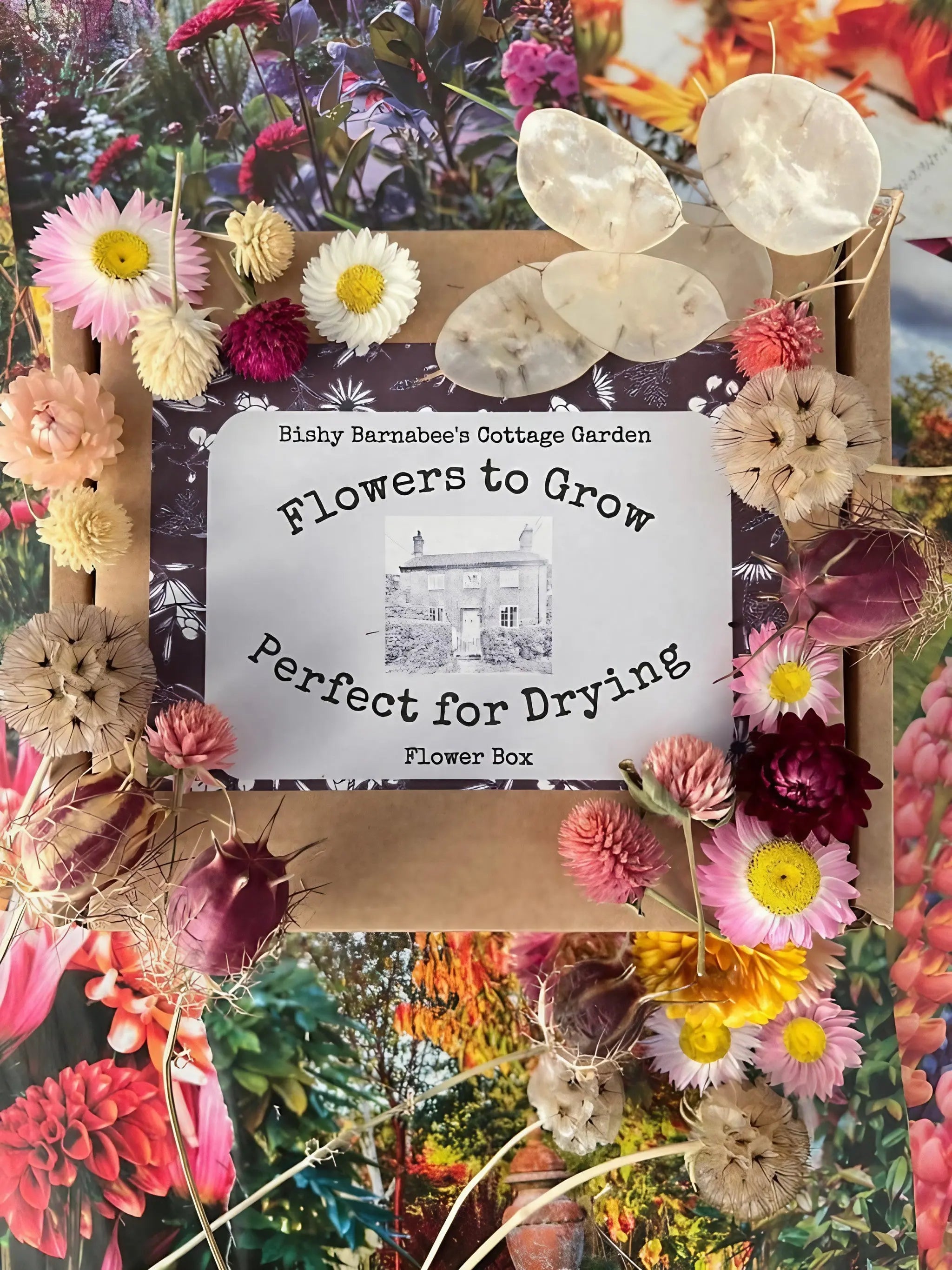
Flowers to Grow - Perfect for Drying
10 hand-picked seed varieties
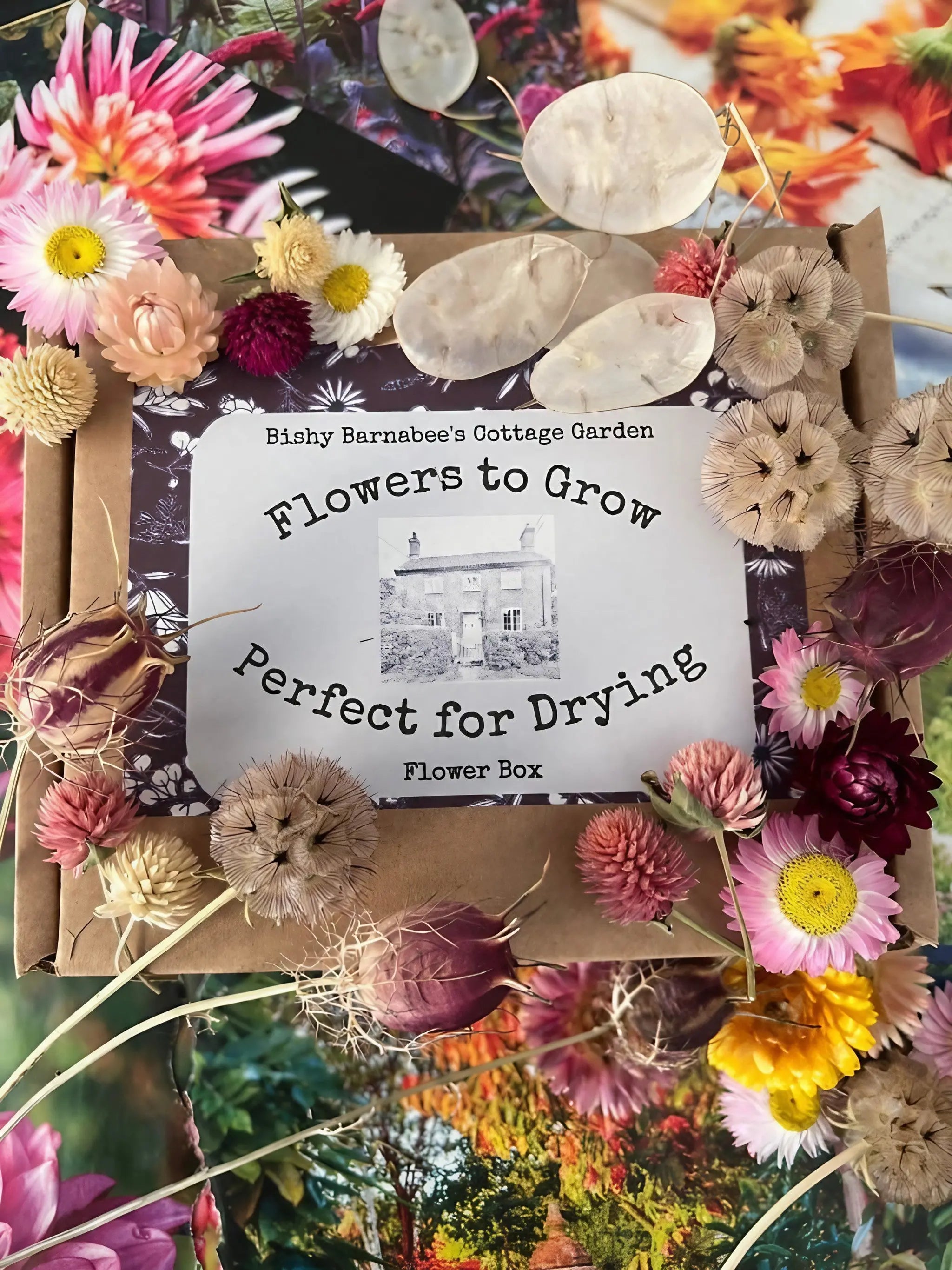
If you hate throwing away fresh flowers after a week, this collection is the answer. Ten specialist seed varieties chosen specifically for drying and preserving — known as "Everlastings," these plants have papery petals or structural seed heads that hold their shape and colour for years, not days.
From jewel-like Strawflowers to architectural Billy Buttons, this box gives you everything needed to grow your own winter wreaths, everlasting bouquets, and buttonholes from scratch.
How to Dry Your Flowers
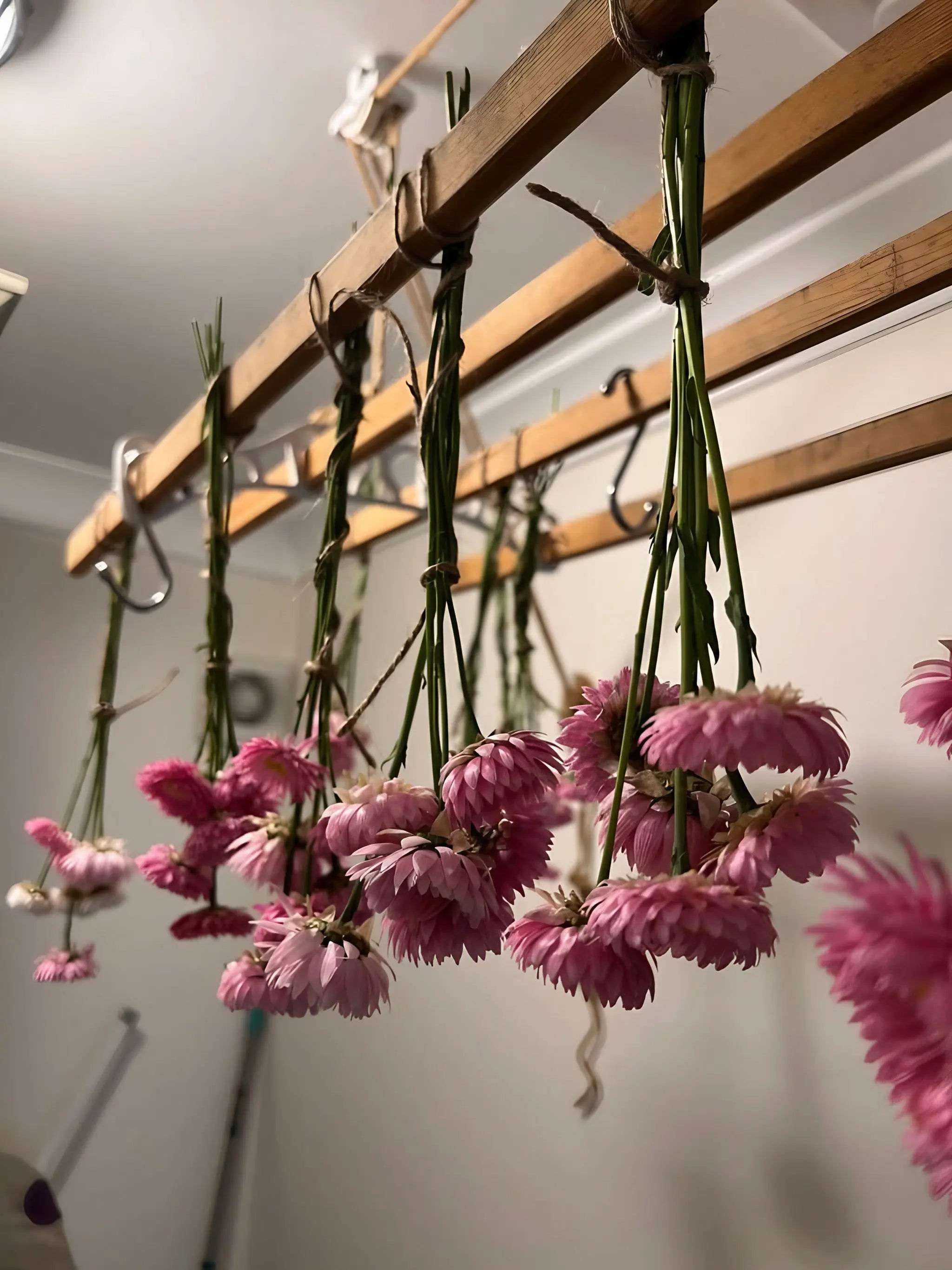
Three golden rules for perfect results. Pick Strawflowers and Statice when buds are half-open — they continue opening as they dry, and fully-open flowers can brown or turn inside out. Strip all leaves before hanging — foliage doesn't dry well and can go mouldy. Hang in small bunches upside down in a warm, dark, dry place — darkness is what keeps the colours bright.
Arrives in signature eco-friendly packaging — the perfect gift for anyone who loves to bring the garden indoors.
- 10 full-size seed packets, each with detailed growing notes
- Seasonal varieties chosen to complement each other
- Eco-friendly compostable packaging throughout
🎁 Want this as a gift? Add a message at checkout
📦 What’s in the collection
📬 Delivery & packaging
What’s inside your collection
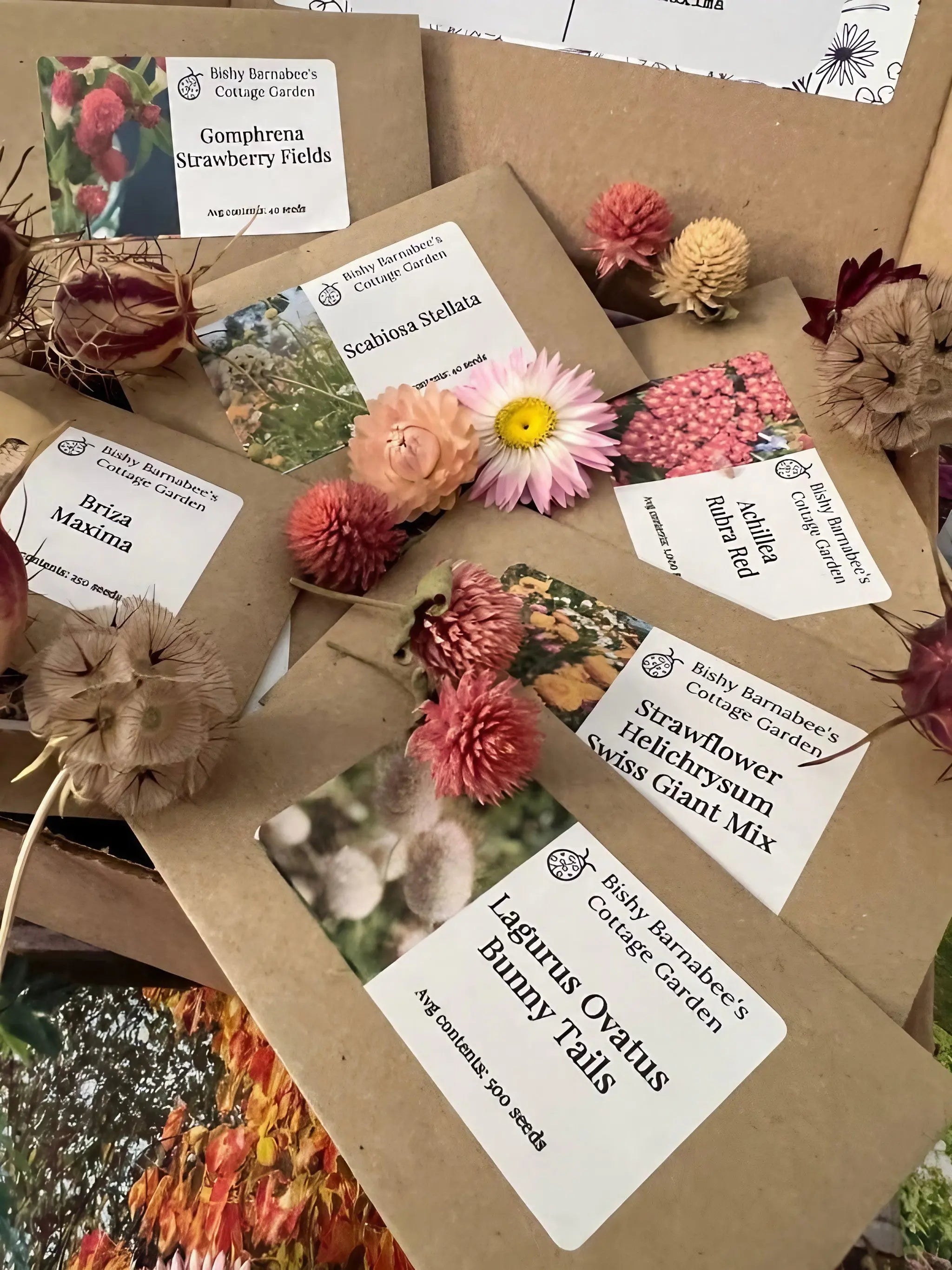
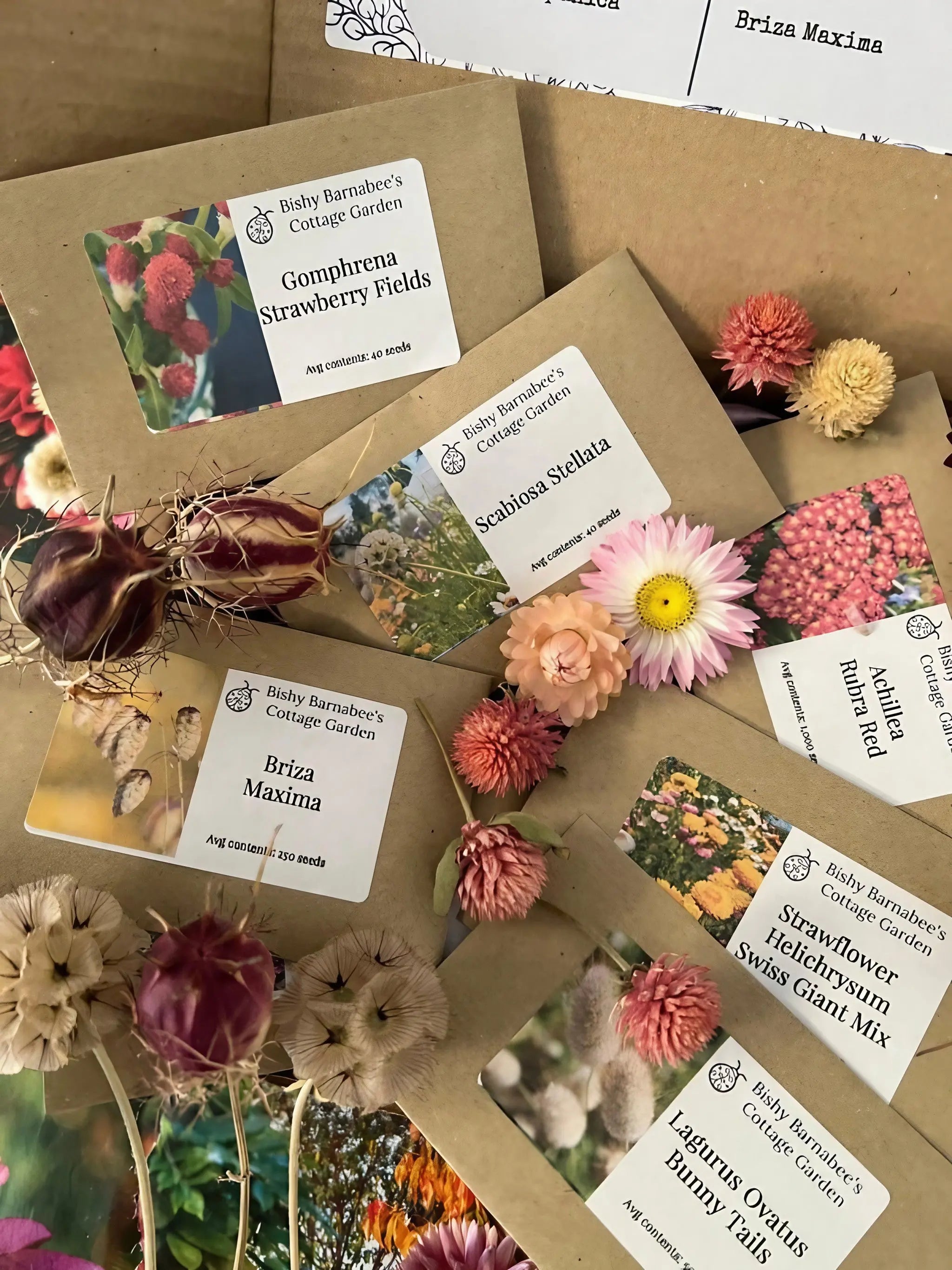
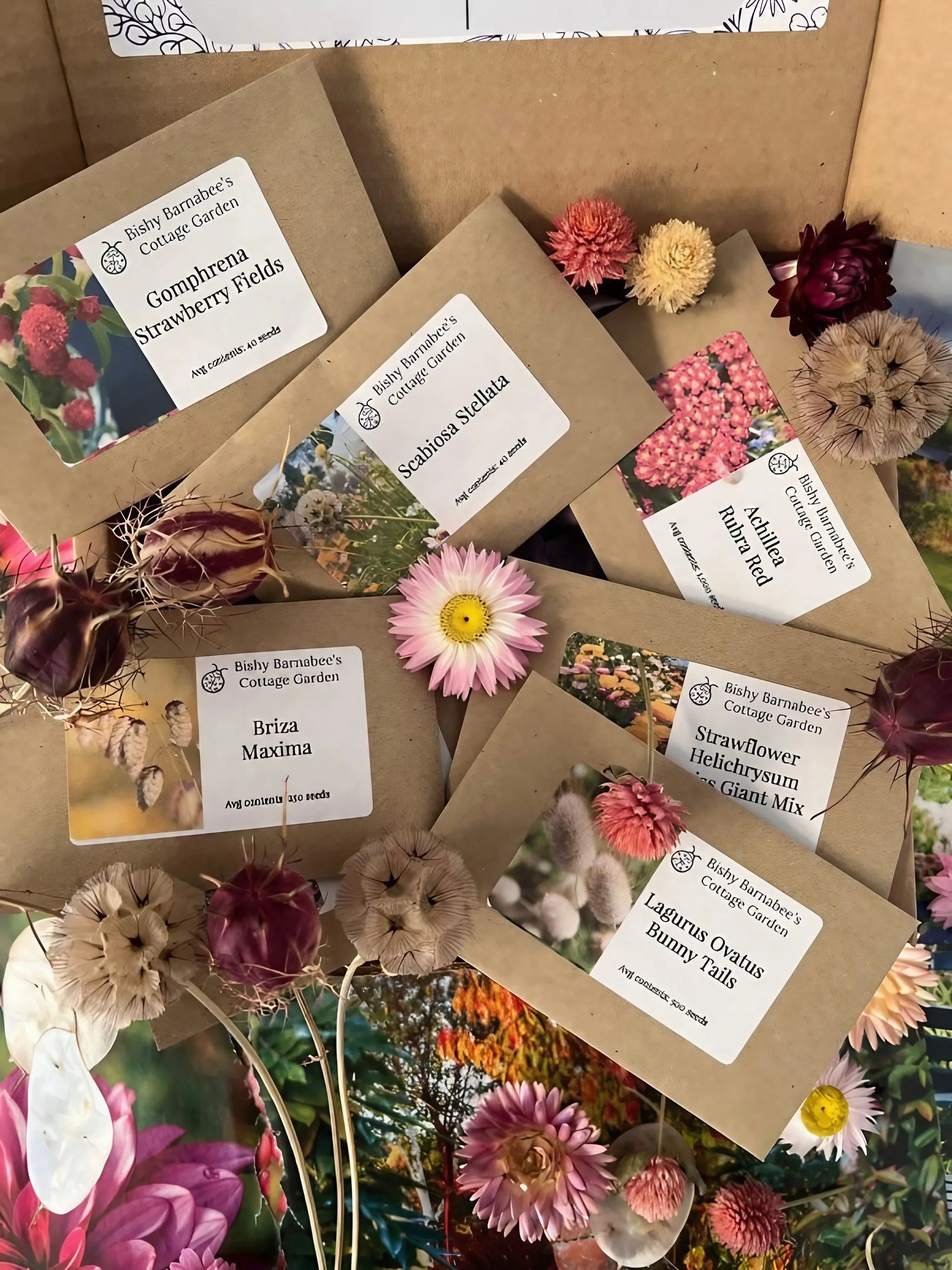
10 seed packetsEvery variety below is included in this collection. Click any packet to read the full growing guide and see more photos.
-

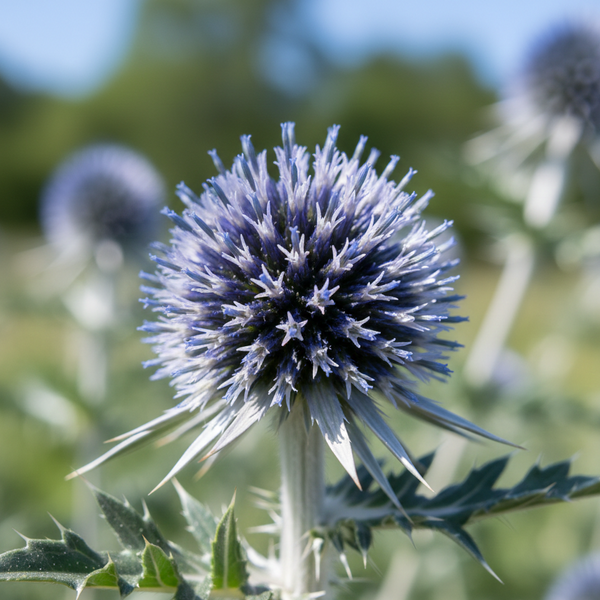
Echinops ritro Metallic Blue
The geometric blue globe — perfect steel-blue spheres that progress from silver metallic buds through electric blue on rigid, self-supporting silvery-white stems; a Hardy Perennial H7 that thrives specifically on poor, dry, sun-baked conditions where it produces its most structurally perfect, bee-magnetising, cutting-garden-essential and dried-flower-incomparable architectural display
View growing guide → -

Honesty Mixed
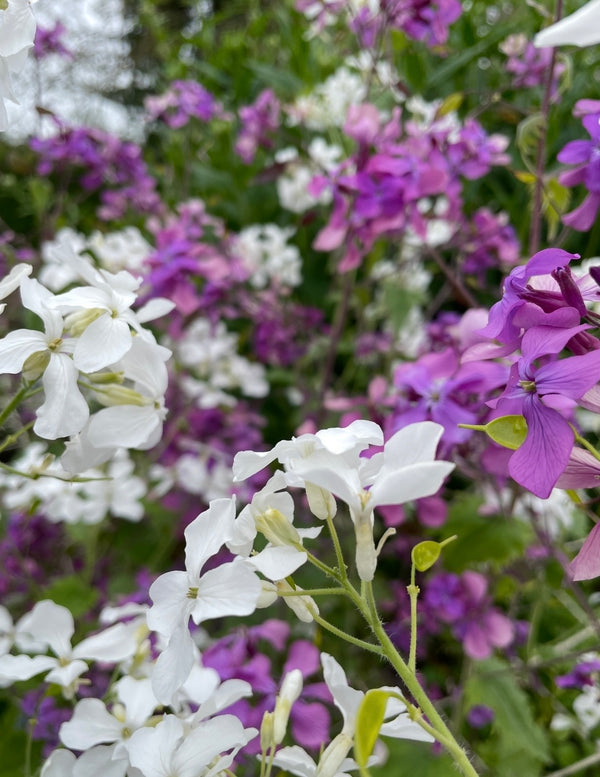
Two harvests from one sowing -- fragrant purple and white spring flowers (cut-and-come-again from April to June) followed by the iconic translucent silver coin seed pod membranes revealed by gentle rubbing in August; a Hardy Biennial H7 to -20°C that self-seeds generously, thrives in clay and partial shade, and supports the Orange Tip butterfly as both larval food plant and spring nectar source
View growing guide → -

Scabiosa 'Drumstick'
The globe-headed annual grown for its extraordinary geometric seed heads rather than its modest pale-blue flowers -- Hardy Annual producing spherical papery globes of perfect geodesic geometry; each globe a collection of cone-shaped bracts each with a stretched star at its centre; HARVEST TIMING IS CRITICAL (light green-golden with dark edges before shattering); sow indoors March-April in succession or direct sow May; light press; 18-22°C; 10-21 days; support wiry stems early; full sun; well-drained neutral-alkaline soil; hang to dry for years of dried arrangement use; also called Paper Moon and Starflower
View growing guide → -

Strawflower Helichrysum Swiss Giant Mix
The workhorse of the everlasting garden -- Half-Hardy Annual producing massive fully-double blooms in fiery scarlet, tangerine orange, golden yellow, hot pink and pure white on 90–100cm stems; PINCH OUT at 10cm for multi-stemmed branching plants; harvest when buds are HALF-OPEN (fully open = turns inside-out when dried); holds intense colour for years; surface press/light; 18–21°C; 10–20 days; March–April indoor; full sun; free-draining sandy soil; drought-tolerant; Statice is the classic companion
View growing guide → -

Briza Maxima - Quaking Grass
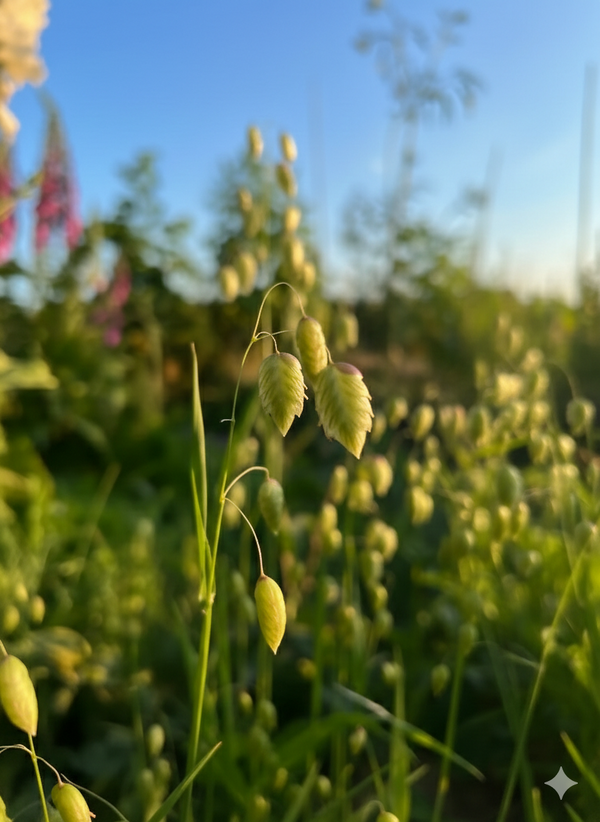
Briza maxima, or Greater Quaking Grass, is a plant that brings both movement and sound to your garden! It hangs its beautiful, oversized, heart-shaped lockets from fine, wiry stems that tremble and dance in the slightest breeze—it's literally the sound of a lazy summer afternoon! The seed heads start off a pale, silvery green and slowly ripen to a warm, golden straw colour as the season progresses, creating a relaxed, "meadow" feel in any border.
View growing guide → -

Nigella hispanica
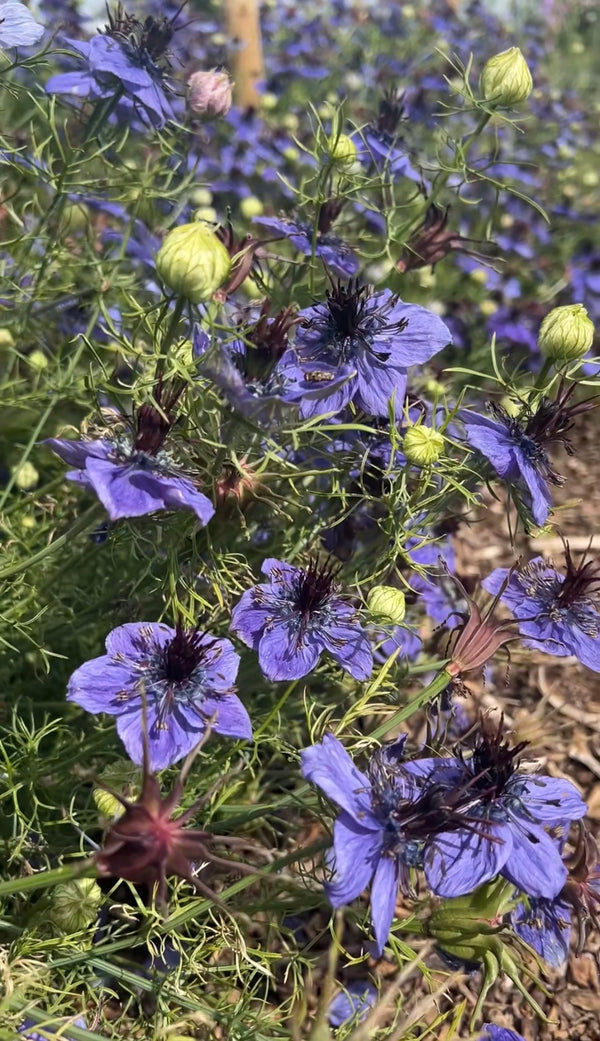
The Spanish Love-in-a-Mist -- a distinct species from the common Nigella damascena; open star-shaped flowers in deep royal violet-blue with dramatic prominent burgundy stamens; followed by large horned "Jester Hat" seed pods quite unlike damascena's balloon form; slightly more robust with broader leaves and thicker stems; direct sow in September or March; thin to 25cm (wider than damascena); poor soil for most flowers; two harvests: jewelled flowers then architectural dried pods
View growing guide → -

Achillea Rubra Red
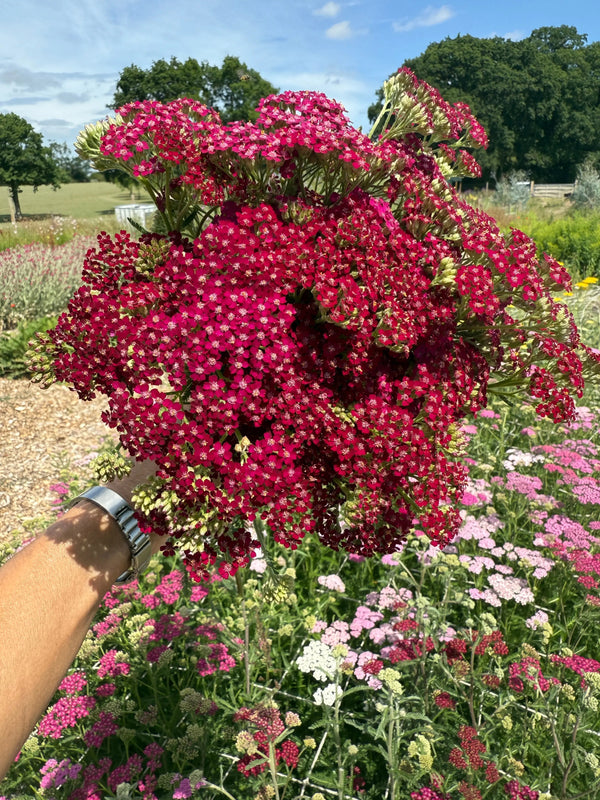
The red wildflower yarrow — rich cerise-red flat-topped plates that warm and glow through summer, soften gracefully to vintage pink as the season deepens, and dry to one of the most beautiful terracotta tones in any dried arrangement. A native perennial of absolute toughness and extraordinary wildlife value, flowering generously from June to September in conditions that defeat most ornamental plants.
View growing guide → -

Gomphrena Strawberry Fields
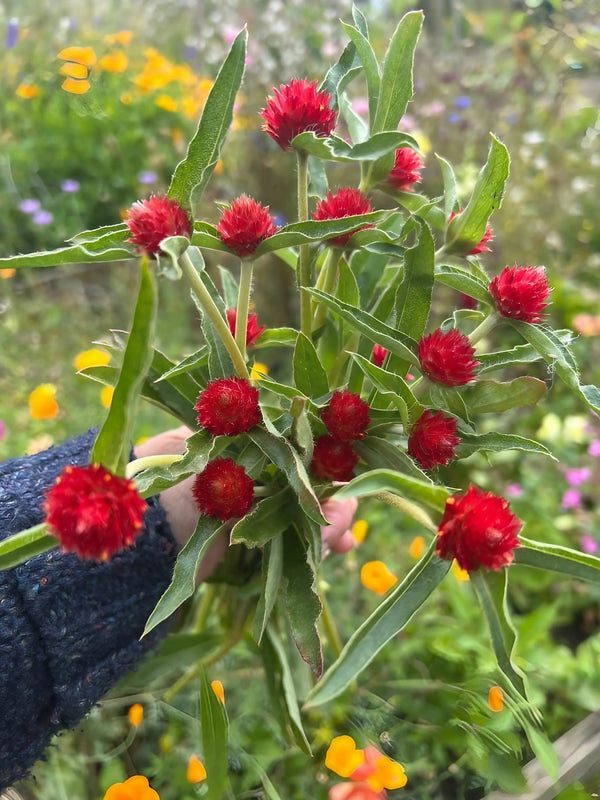
The everlasting globe amaranth — claret-red papery globe-shaped heads like small strawberries, with tiny yellow true flowers inside; a half-hardy annual AGM flowering from July to first frost that dries in the same vivid colour for 12 months; seeds need DARKNESS to germinate (cover tray with cardboard); pinch at 15cm for maximum branching; plant out in June only; heat and drought tolerant
View growing guide → -

Craspedia Drumstick
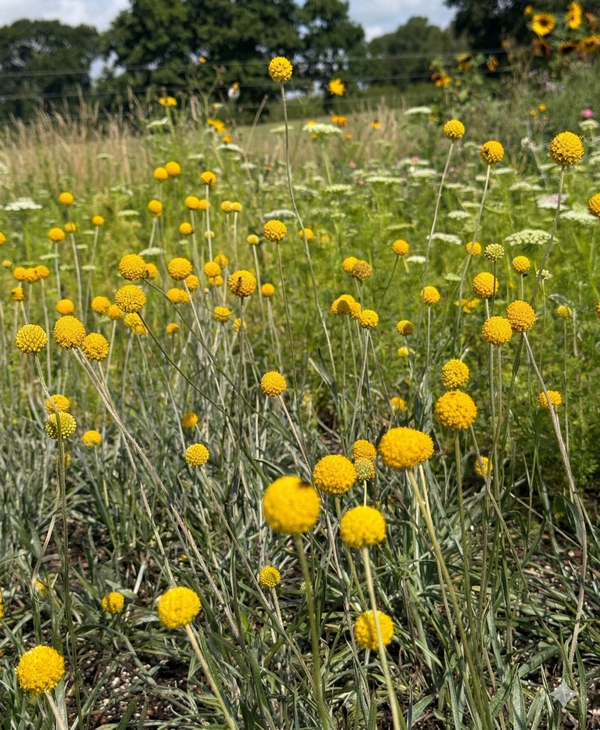
Modern art in the garden — perfectly spherical sunshine-yellow pompom heads on poker-straight wire stems; an Australian native that grows easily from seed, dries rock-hard retaining its vibrant colour for years, and brings geometric precision to arrangements where every other flower is soft, organic, and curved
View growing guide → -

Statice Hipster Mixed
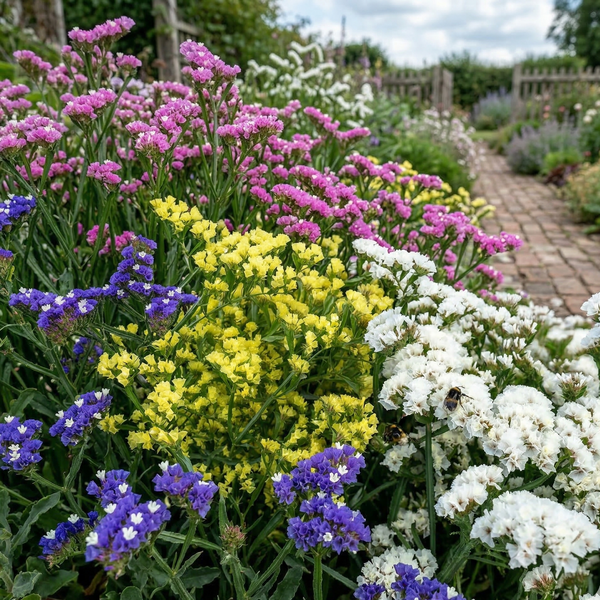
The everlasting dried flower that is already dry -- Half-Hardy Annual H2; the colourful parts are PAPERY CALYCES not petals, feeling crisp and dry even while living in the garden; deep violet, rose, apricot, yellow, blue and white; holds brilliant colour for YEARS after drying; surface press/light; 18–21°C; 7–14 days; Feb–April; plant late May–June in full sun with excellent drainage (rots in wet clay); harvest when clusters fully coloured but tiny white florets still fresh; hang upside down in dark dry ventilated space to dry
View growing guide →